
RedKalion
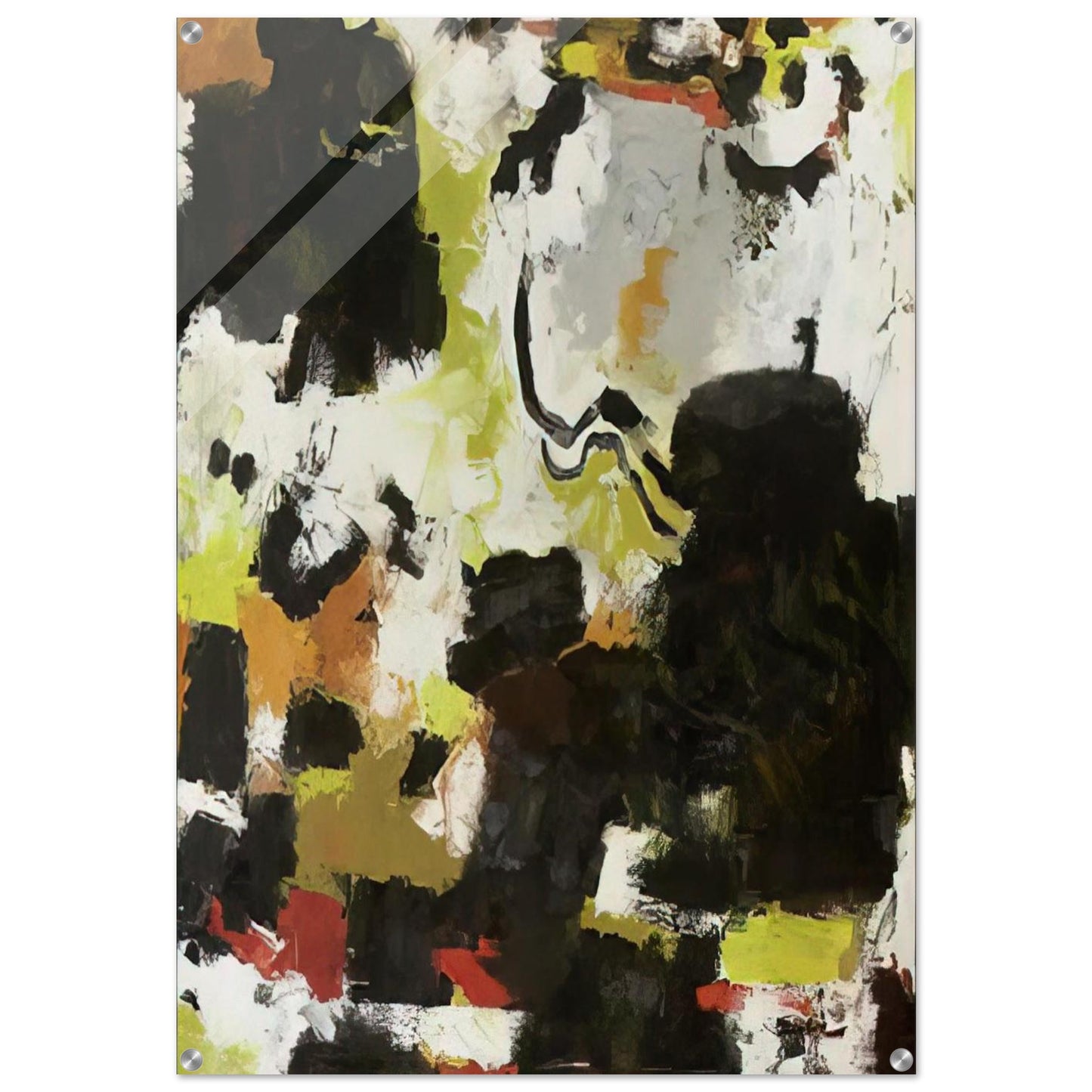
1 January 1949 - 1949 - Frank Lobdell Acrylic Print - 70x100 cm / 28x40″ inches | Frank Lobdell Wall Art | Frank Lobdell Prints
1 January 1949 - 1949 - Frank Lobdell Acrylic Print - 70x100 cm / 28x40″ inches | Frank Lobdell Wall Art | Frank Lobdell Prints
Couldn't load pickup availability
A Masterpiece of Post-War Abstraction: Frank Lobdell’s '1 January 1949'
Experience the raw, existential power of the Bay Area Abstract Expressionist movement through Frank Lobdell’s '1 January 1949'. This seminal work represents a critical juncture in Lobdell's career, captured during the transformative years following World War II. At RedKalion, we offer this museum-quality reproduction, meticulously crafted to preserve the visceral energy and complex layering that defined Lobdell’s early period.
As a key figure at the California School of Fine Arts (now SFAI) alongside Clyfford Still, Lobdell utilized a vocabulary of dark, organic forms and cryptic symbols to explore the human condition. This fine art print allows collectors to appreciate his mastery of texture and depth, rendered here on a modern, high-clarity medium that breathes new life into his 1949 vision.
Museum-Grade Acrylic Craftsmanship
Our Frank Lobdell wall art is produced on premium 4mm (0.15") acrylic, providing a sleek, vibrant, and durable finish that outperforms traditional glass. The unique depth of the acrylic enhances the interplay of light and shadow, characteristic of Lobdell’s palette, while the straight-cut corners provide a sophisticated, contemporary silhouette for any interior space.
This archival-grade Frank Lobdell print is more than a reproduction; it is a statement of artistic legacy. By utilizing state-of-the-art printing technology, RedKalion ensures that the somber yet profound tonalities of Lobdell’s work are captured with absolute fidelity, ensuring an enduring addition to your private collection.
- Archival Quality: Designed to maintain its depth and color fidelity for decades.
- Sophisticated Mounting: Each print includes a professional hanging kit with screws and pre-drilled holes for effortless installation.
- Sleek Finish: The 4mm acrylic features straight-cut corners and a white-backing for optimal color presentation.
Elevate your space with a masterpiece that endures—a testament to mid-century American avant-garde, curated by RedKalion.
Discover Unlimited Art Possibilities
At RedKalion, you can find virtually any artwork from any artist, available in a wide range of sizes to perfectly match your space.
If you didn’t find what you’re looking for, contact us at support@redkalion.com . We will source any artwork and produce it in any size and format you need, including art prints, posters, canvas, framed pieces, framed canvas, and more.
For dedicated art enthusiasts, we also offer handcrafted replicas of any artwork, carefully painted by highly skilled artists using traditional techniques.
For custom requests, contact us at support@redkalion.com .
What is the historical significance of Frank Lobdell's 1949 work?
It marks Lobdell's transition toward abstract symbolism and existential themes in the post-WWII Bay Area art scene, reflecting the era's collective psyche.
What are the benefits of the 4mm acrylic used for this Frank Lobdell print?
The 4mm acrylic offers exceptional clarity, vibrant color depth, and superior durability compared to standard glass, protecting your fine art reproduction.
How is the Frank Lobdell wall art packaged and shipped?
RedKalion ensures secure, protective packaging for all prints. This 70x100 cm acrylic piece is shipped with reinforced materials to arrive in pristine condition.
Will the colors of my Frank Lobdell reproduction fade over time?
No. Our museum-quality prints use archival-grade inks and high-quality acrylic to ensure the rich tones and textures endure without fading for generations.
What hanging hardware is included with this Frank Lobdell acrylic print?
A full kit is included: screws and hardware for the four pre-drilled holes (14mm from edges) ensuring a secure, modern mount for your wall art.
Was Frank Lobdell part of the Abstract Expressionist movement?
Yes, Lobdell was a pioneering figure in the West Coast Abstract Expressionist movement, influencing the trajectory of American modernism throughout the 20th century.
Why is '1 January 1949' considered a pivotal piece in Lobdell's career?
This 1949 piece showcases his early experimentation with dense, atmospheric compositions and organic forms that would eventually define his signature philosophical style.