


RedKalion
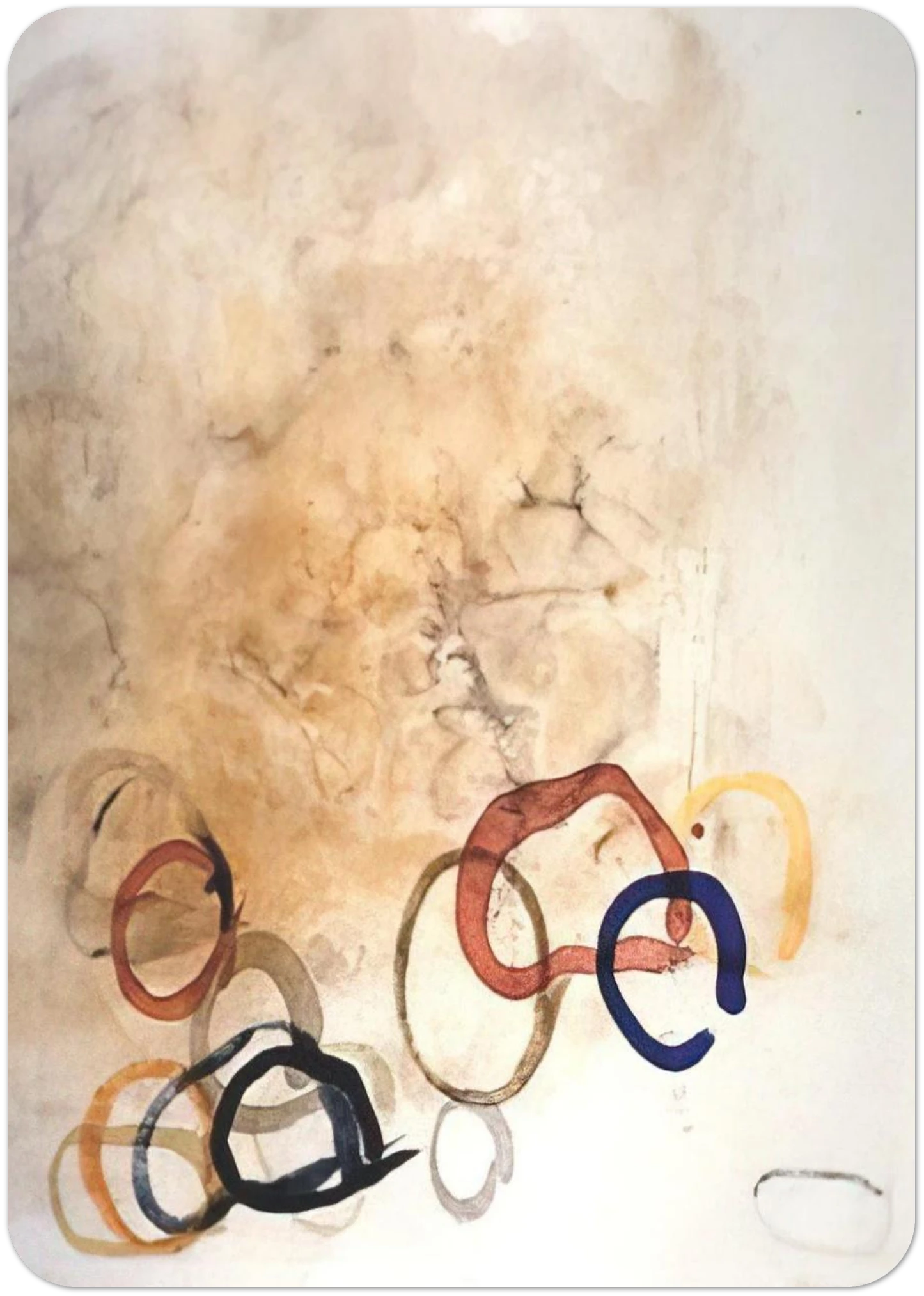
11 Stones - 1989 By John Cage Pack of 10 Post Cards | John Cage Post Cards | A6 (10.5 x 14.8 cm) - 4.1 x 5.8 inches
11 Stones - 1989 By John Cage Pack of 10 Post Cards | John Cage Post Cards | A6 (10.5 x 14.8 cm) - 4.1 x 5.8 inches
Couldn't load pickup availability
Capture the Zen Philosophy of John Cage
Invite the meditative silence and chance-driven beauty of 11 Stones - 1989 By John Cage into your daily correspondence or home gallery. Known primarily as a revolutionary avant-garde composer, Cage’s visual output is a profound extension of his interest in Zen Buddhism and the I Ching. These John Cage post cards capture the subtle textures and deliberate placements of his 1989 series, where the artist utilized chance operations to dictate the arrangement of natural forms, creating a harmony that feels both accidental and inevitable.
Museum-Quality Reproduction for Discerning Collectors
RedKalion brings this archival masterpiece to life using 12-color fine art printing technology. Unlike standard 4-color inkjet printing, our advanced process ensures every nuance of the stones—the soft tonal shifts and the rhythmic space between them—is rendered with stunning depth and accuracy. Each card in this pack of 10 is a testament to art that endures, providing a museum-quality reproduction that functions as both a medium for communication and a miniature work of art.
Premium Specifications for an Elevated Experience:
- Superior Paper Weight: Printed on heavy 200 gsm (80 lb) paper with a thickness of 0.26 mm (10.3 mils) for a substantial, tactile feel.
- Smooth Matte Finish: A clean, glare-free surface that highlights the minimalist beauty of Cage's work without distracting reflections.
- Sustainably Sourced: Each card is printed on FSC-certified paper, ensuring your appreciation for art aligns with environmental responsibility.
- Precision Format: The A6 size (10.5 x 14.8 cm) is ideal for standard framing or international postage.
Elevate your personal aesthetic with an archival masterpiece. These fine art prints are printed on demand with meticulous attention to detail, ensuring that the legacy of John Cage is preserved in every set we curate.


Discover Unlimited Art Possibilities
At RedKalion, you can find virtually any artwork from any artist, available in a wide range of sizes to perfectly match your space.
If you didn’t find what you’re looking for, contact us at support@redkalion.com . We will source any artwork and produce it in any size and format you need, including art prints, posters, canvas, framed pieces, framed canvas, and more.
For dedicated art enthusiasts, we also offer handcrafted replicas of any artwork, carefully painted by highly skilled artists using traditional techniques.
For custom requests, contact us at support@redkalion.com .
What makes the printing process for these John Cage post cards unique?
We utilize advanced 12-color fine art printing technology, which provides superior color vibrancy and depth compared to standard 4-color inkjet methods, ensuring a museum-quality reproduction of the original artwork.
What are the specific paper quality details for these cards?
Each card is printed on 200 gsm (80 lb) paper with a thickness of 0.26 mm. The smooth matte finish ensures a professional, glare-free display and a premium tactile experience.
Are these art postcards environmentally sustainable?
Yes. RedKalion is committed to sustainability, using FSC-certified paper for all our fine art prints, ensuring that our materials are sourced from responsibly managed forests.
What is the shipping and order fulfillment process?
To ensure quality and reduce waste, all postcards are printed on demand. We fulfill orders with no minimum requirements, shipping your archival-grade items directly to your door.
Is there a minimum order for these John Cage postcards?
No, there are no minimum order requirements. You can purchase these premium packs of 10 cards as a standalone item for your collection or as a gift.
What inspired John Cage's '11 Stones' series?
'11 Stones' reflects Cage’s practice of Zen Buddhism. He used stones as subjects to explore the relationship between objects and empty space, emphasizing silence, presence, and natural beauty.
How does the chance operation technique apply to this visual art?
Cage often used the I Ching to determine the position and density of his subjects, allowing chance to dictate the final composition rather than personal ego, a hallmark of his artistic philosophy.