
RedKalion
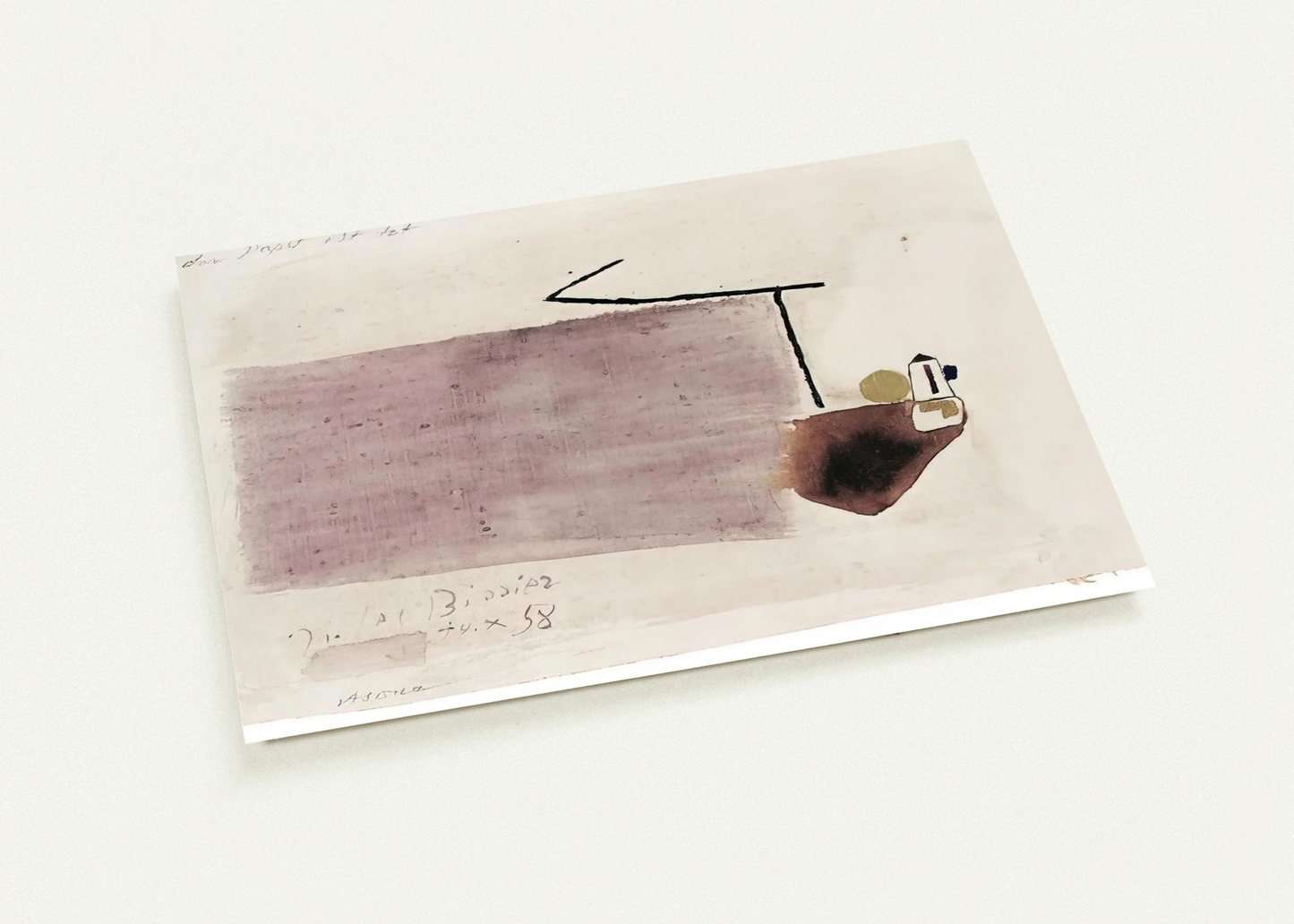
14.X.58 - 1958 By Julius Bissier Pack of 10 Post Cards | Julius Bissier Post Cards | A6 (10.5 x 14.8 cm) - 4.1 x 5.8 inches
14.X.58 - 1958 By Julius Bissier Pack of 10 Post Cards | Julius Bissier Post Cards | A6 (10.5 x 14.8 cm) - 4.1 x 5.8 inches
Couldn't load pickup availability
Elevate Your Correspondence with Julius Bissier’s 14.X.58
Experience the meditative precision of German master Julius Bissier with this exquisite pack of 10 fine art post cards. The piece, titled 14.X.58, represents a pinnacle of Bissier’s transition into lyrical abstraction. Influenced heavily by Zen Buddhism and East Asian calligraphy, Bissier’s 1958 works are celebrated for their 'miniature' scale yet expansive spiritual depth. Each stroke on these cards captures the delicate balance between form and void, offering a moment of quiet contemplation for both the sender and the recipient.
Museum-Quality Reproduction for the Discerning Collector
At RedKalion, we bridge the gap between historical masterpiece and modern tactile experience. These post cards are not mere stationery; they are archival-grade reproductions. Utilizing advanced 12-color fine art printing technology, we achieve a color vibrancy and tonal subtlety that standard inkjet printing simply cannot replicate. This ensures that the ethereal washes and precise ink marks of Bissier’s original composition are preserved with stunning accuracy.
Specifications & Craftsmanship
- Paper Weight: Premium 200 gsm (80 lb) stock for a substantial, high-end feel.
- Finishing: A smooth matte finish that eliminates glare, allowing the artwork’s texture to shine.
- Sustainability: Printed on FSC-certified paper, ensuring an environmentally conscious choice for your collection.
- Dimensions: Standard A6 (10.5 x 14.8 cm | 4.1 x 5.8 inches), perfect for framing or mailing.
Whether used for sophisticated personal notes or displayed as a curated set of miniatures, these Julius Bissier post cards bring the serene authority of 20th-century abstraction into the palm of your hand. Elevate your space and your messages with an archival masterpiece that endures.
Discover Unlimited Art Possibilities
At RedKalion, you can find virtually any artwork from any artist, available in a wide range of sizes to perfectly match your space.
If you didn’t find what you’re looking for, contact us at support@redkalion.com . We will source any artwork and produce it in any size and format you need, including art prints, posters, canvas, framed pieces, framed canvas, and more.
For dedicated art enthusiasts, we also offer handcrafted replicas of any artwork, carefully painted by highly skilled artists using traditional techniques.
For custom requests, contact us at support@redkalion.com .
What makes these Julius Bissier post cards museum-quality?
We use 12-color fine art printing technology, which provides superior color depth and accuracy compared to standard 4-color processes, ensuring every nuance of Bissier's original 1958 work is captured.
What is the finish and weight of the paper?
Each card is printed on 200 gsm (80 lb) paper with a thickness of 0.26 mm. The smooth matte finish ensures a clean, glare-free display of the artwork.
Are these post cards environmentally friendly?
Yes. Our cards are printed on demand to reduce waste and utilize FSC-certified paper, meeting high environmental and social standards for responsible forestry.
How long will these archival prints last?
By utilizing archival-grade materials and premium pigments, these prints are designed to resist fading, maintaining their vibrancy for decades when kept out of direct sunlight.
How are the orders shipped and is there a minimum?
There are no minimum orders. Each pack of 10 post cards is printed on demand and shipped in protective packaging to ensure they arrive in pristine condition.
What is the significance of the title 14.X.58?
Julius Bissier often titled his works with the date of their creation. This title indicates the piece was completed on October 14, 1958, serving as a visual diary of his meditative practice.
What artistic movement does Julius Bissier belong to?
Bissier is a key figure in lyrical abstraction. His work combines Western modernism with Zen aesthetics, focusing on the rhythmic relationship between symbols, space, and materiality.