

RedKalion
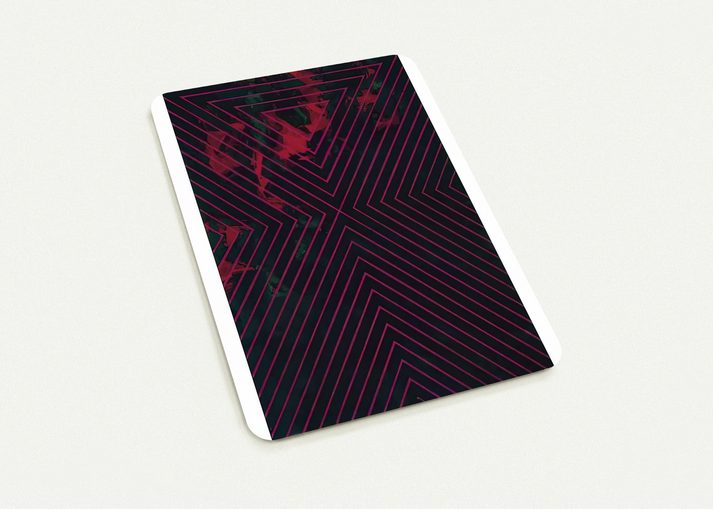
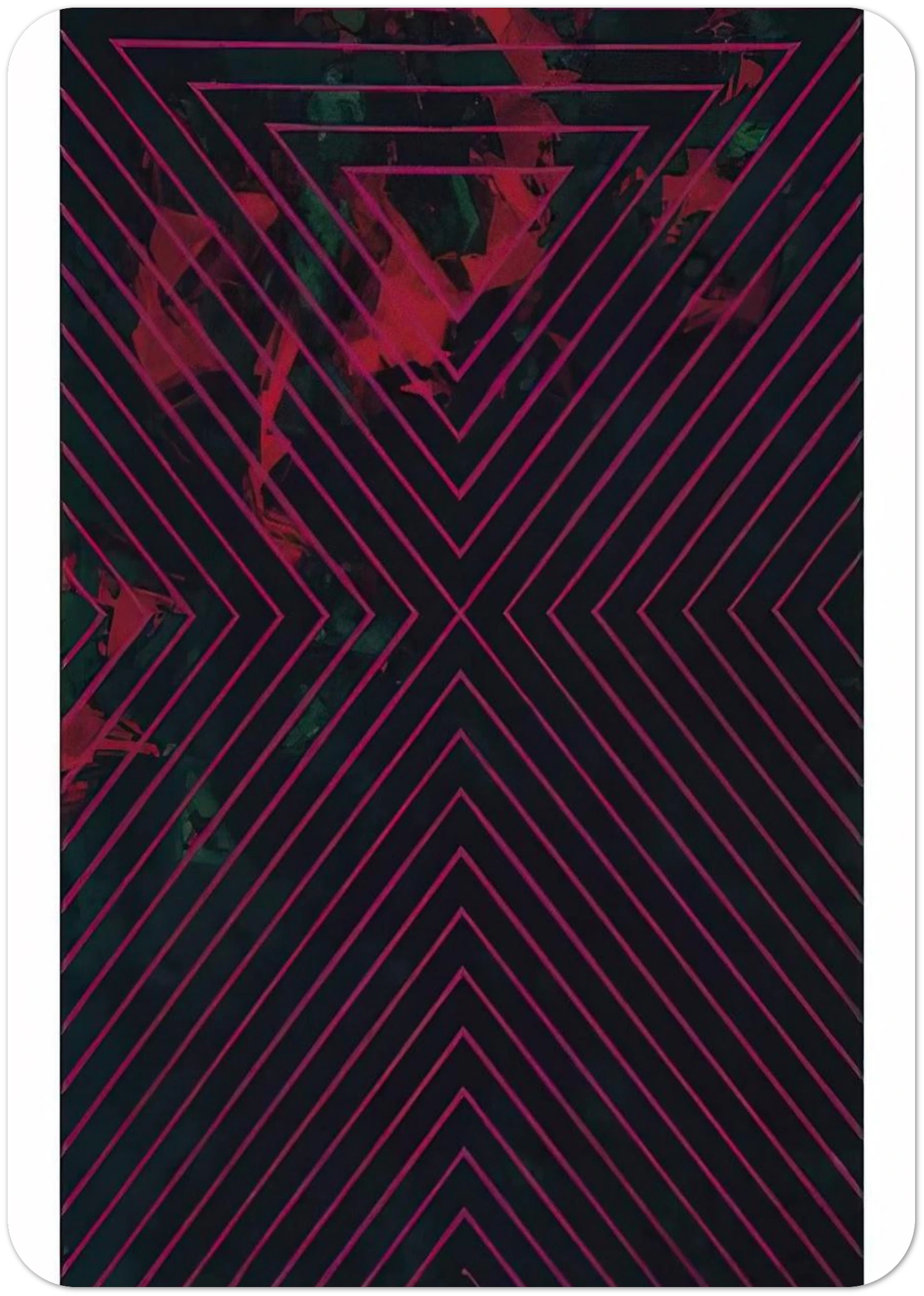
1418 1986 By Luis Feito Pack of 10 Post Cards | Luis Feito Post Cards | A6 (10.5 x 14.8 cm) - 4.1 x 5.8 inches
1418 1986 By Luis Feito Pack of 10 Post Cards | Luis Feito Post Cards | A6 (10.5 x 14.8 cm) - 4.1 x 5.8 inches
Couldn't load pickup availability
A Masterpiece of Spanish Abstraction: Luis Feito’s "1418" (1986)
Elevate your personal correspondence or art collection with this exclusive pack of 10 postcards featuring Luis Feito's "1418" (1986). As a founding member of the influential El Paso group, Feito redefined Spanish Abstract Expressionism. This particular work from 1986 captures a mature period of his career, where the raw intensity of his early career transitioned into a more contemplative, yet equally powerful, exploration of form and void.
At RedKalion, we believe fine art should be felt as much as seen. These Luis Feito post cards are not mere reproductions; they are archival-grade miniatures. Utilizing 12-color fine art printing technology, we capture the subtle gradations and gestural energy of Feito’s palette with a depth that traditional 4-color printing simply cannot replicate.
Premium Physical Specifications:
- Color Vibrancy: Ultra-high-definition 12-color ink system for museum-quality accuracy.
- Paper Quality: Printed on 200 gsm (80 lb) archival paper with a thickness of 0.26 mm.
- Sophisticated Finish: A smooth matte coating ensures a glare-free viewing experience and a premium tactile feel.
- Eco-Conscious Curation: All cards are printed on FSC-certified paper, supporting sustainable forestry.
- Dimensions: Classic A6 format (10.5 x 14.8 cm / 4.1 x 5.8 inches).
Whether used for sophisticated messaging or displayed as a curated set of prints, these postcards bring the enduring legacy of Spanish modernism into your hands. RedKalion ensures that every piece is printed on demand, maintaining the highest standards of quality control for the discerning collector.


Discover Unlimited Art Possibilities
At RedKalion, you can find virtually any artwork from any artist, available in a wide range of sizes to perfectly match your space.
If you didn’t find what you’re looking for, contact us at support@redkalion.com . We will source any artwork and produce it in any size and format you need, including art prints, posters, canvas, framed pieces, framed canvas, and more.
For dedicated art enthusiasts, we also offer handcrafted replicas of any artwork, carefully painted by highly skilled artists using traditional techniques.
For custom requests, contact us at support@redkalion.com .
What makes these Luis Feito postcards museum-quality?
Unlike standard cards, we use 12-color fine art printing technology. This ensures superior color depth and accuracy, capturing the true essence of Feito's 1986 abstract work for a gallery-standard finish.
What is the texture and weight of the postcard paper?
Each card is printed on 200 gsm (80 lb) paper with a 0.26 mm thickness. The smooth matte finish provides a clean, sophisticated, and glare-free surface.
Are these art postcards environmentally friendly?
Yes. RedKalion prioritizes sustainability by using FSC-certified paper, ensuring that your art collection supports responsible and environmentally conscious forestry practices.
How many postcards are included in a single order?
This item is sold as a pack of 10 flat postcards, all featuring the iconic "1418" (1986) artwork by Luis Feito in A6 size.
Will the colors on these cards fade over time?
No. By using archival-grade inks and high-quality 200 gsm paper, these reproductions are designed for longevity, maintaining their vibrancy for years without the yellowing or fading common in standard prints.
Who was Luis Feito and why is his work significant?
Luis Feito was a titan of Spanish abstraction and a co-founder of the El Paso group. His work is celebrated for its dramatic use of light, shadow, and gestural energy.
What is the significance of the year 1986 in Feito's career?
In 1986, Feito's style moved toward a refined spiritual abstraction. This period is characterized by a balance of structured composition and fluid, organic movements that defined late 20th-century Spanish art.