

RedKalion
#18 - 1953 - Hans Hartung Brushed Aluminum Print - 70x100 cm / 28x40 inches | Hans Hartung Aluminum Print | Hans Hartung Prints
#18 - 1953 - Hans Hartung Brushed Aluminum Print - 70x100 cm / 28x40 inches | Hans Hartung Aluminum Print | Hans Hartung Prints
Couldn't load pickup availability
Elevate Your Space with the Kinetic Energy of Hans Hartung's #18 - 1953
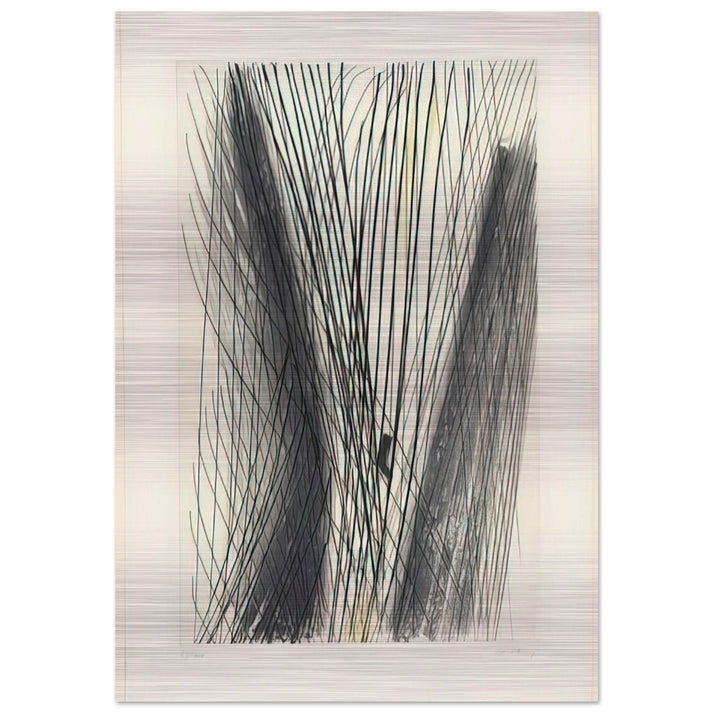
Experience a definitive masterpiece of Art Informel with this museum-quality reproduction of Hans Hartung’s #18 - 1953. As a pioneer of European lyrical abstraction, Hartung’s work from the early 1950s captures a profound sense of rhythm and spontaneity. This specific composition, characterized by its energetic calligraphic lines and rhythmic scratching techniques, is now immortalized on a medium that matches its industrial and avant-garde spirit: Brushed Aluminum DIBOND®.
A Sophisticated Marriage of Modern Material and Mid-Century Abstraction
At RedKalion, we curate only the finest archival-grade reproductions. This fine art print utilizes a 3mm (0.12") aluminum base with a unique horizontal grain. The brushed silver finish provides a dynamic, metallic sheen that breathes life into Hartung’s gestural marks. When light hits the surface, the unprinted white areas reveal a striking silver effect, creating a depth and texture that traditional paper simply cannot replicate.
Museum-Quality Specifications
- Material: Premium Brushed silver Aluminum DIBOND® for a rigid, durable, and sophisticated profile.
- Finish: Matte and glare-free, specifically engineered to enhance the contrast of Hartung’s bold black strokes against the metallic substrate.
- Printing: Direct-to-substrate printing ensures vivid color retention and exceptional detail.
- Durability: Highly resistant to fading and environmental factors, ensuring an archival masterpiece that endures for generations.
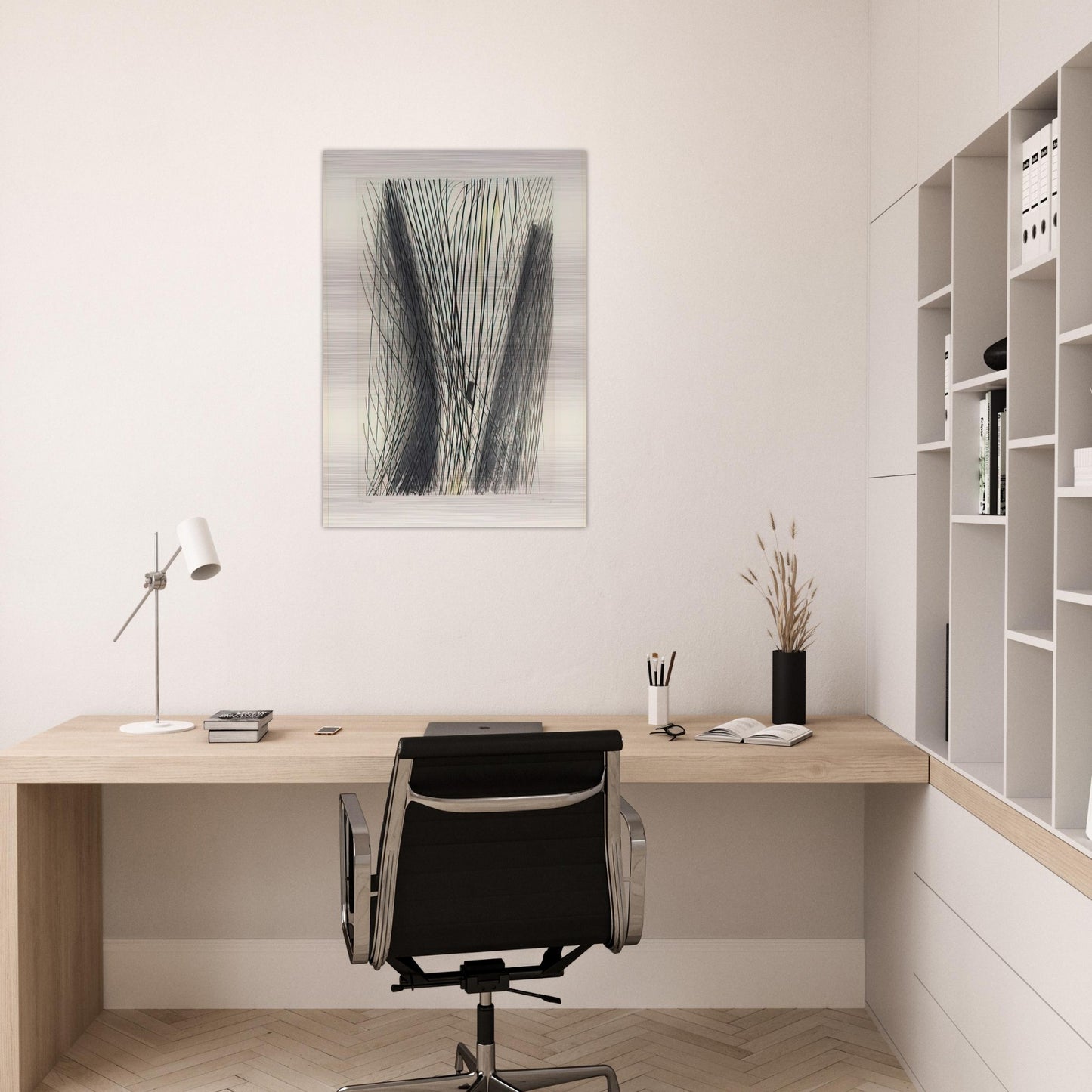
- Installation: Each print includes a specialized hanging kit tailored to your fulfillment region, allowing for a seamless, floating gallery aesthetic.
By choosing this Hans Hartung aluminum print, you are not merely purchasing decor; you are investing in a piece of art history that reflects the raw, emotional intensity of the Tachisme movement, presented through RedKalion’s commitment to technical excellence.


Discover Unlimited Art Possibilities
At RedKalion, you can find virtually any artwork from any artist, available in a wide range of sizes to perfectly match your space.
If you didn’t find what you’re looking for, contact us at support@redkalion.com . We will source any artwork and produce it in any size and format you need, including art prints, posters, canvas, framed pieces, framed canvas, and more.
For dedicated art enthusiasts, we also offer handcrafted replicas of any artwork, carefully painted by highly skilled artists using traditional techniques.
For custom requests, contact us at support@redkalion.com .
What makes the brushed aluminum finish unique for this Hans Hartung print?
The brushed silver Aluminum DIBOND® features a horizontal grain that adds a metallic, dynamic texture. Unprinted areas allow the silver to shine through, perfectly complementing the industrial aesthetic of Hartung’s gestural abstractions.
Is the mounting hardware included with the artwork?
Yes, every RedKalion print arrives with a professional hanging kit included. The specific hardware varies by fulfillment country to ensure the most secure and aesthetically pleasing installation for your specific region.
How is the print protected during shipping?
We use heavy-duty, archival-safe packaging designed specifically for large-format aluminum prints. This ensures your Hans Hartung masterpiece arrives in pristine, gallery-ready condition, free from scratches or structural damage.
Will the colors of the #18 - 1953 print fade over time?
No. We utilize high-grade direct-to-aluminum printing with UV-resistant inks. This process ensures archival longevity and protects the vibrant contrast of the work from fading, even in well-lit environments.
How should I clean and maintain my aluminum art print?
Maintaining the matte, glare-free finish is simple. Use a soft, dry microfiber cloth to remove dust. Avoid harsh chemicals; the durable 3mm DIBOND® surface is naturally resistant to many environmental factors.
What is the historical significance of Hans Hartung's 1953 period?
1953 was a pivotal year for Hartung as he refined his 'Tachisme' style. This era focused on spontaneous, calligraphic gestures that represented freedom and psychological depth in post-war European art.
Why is aluminum a better choice than canvas for this specific piece?
Aluminum enhances the 'scraped' and linear qualities of Hartung's technique. The horizontal grain of the DIBOND® echoes the artist’s own physical movements, providing a contemporary, high-end feel that canvas lacks.