

RedKalion
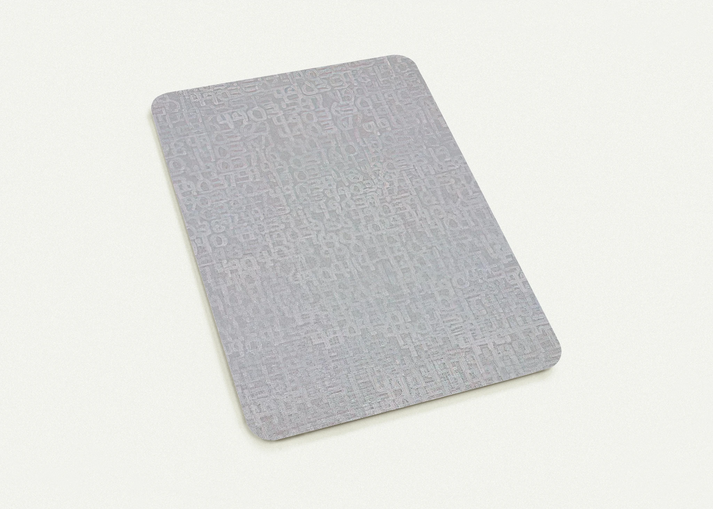
19651 - ∞, Detail 4894231 - 4914799 - Conceptual Art By Roman Opalka Pack of 10 Post Cards | Roman Opalka Post Cards | A6 (10.5 x 14.8 cm) - 4.1 x 5.8 inches
19651 - ∞, Detail 4894231 - 4914799 - Conceptual Art By Roman Opalka Pack of 10 Post Cards | Roman Opalka Post Cards | A6 (10.5 x 14.8 cm) - 4.1 x 5.8 inches
Couldn't load pickup availability
Capture the Essence of Infinity: Roman Opalka’s Conceptual Masterpiece
Experience the profound philosophical depth of Roman Opalka’s 19651 - ∞, specifically the segment encompassing Detail 4894231 - 4914799. This work is part of one of the most significant conceptual art projects of the 20th century—a lifelong commitment to visualizing the irreversible passage of time. Opalka’s 12-color fine art printing brings every minute numeral into sharp relief, ensuring that the artist's existential journey is captured with museum-quality precision on this exclusive pack of 10 flat postcards.
A Legacy Rendered in Archival Detail
Each postcard in this set is a testament to RedKalion’s dedication to archival excellence. Printed on 200 gsm (80 lb) FSC-certified paper with a thickness of 0.26 mm, these cards offer a substantial, premium feel. The smooth matte finish eliminates glare, allowing the viewer to fully appreciate the meticulous progression of Opalka’s counting. Utilizing 12-color fine art printing technology, we achieve a depth and accuracy that standard 4-color processes simply cannot replicate, making these postcards suitable for both personal correspondence and sophisticated display.
The Philosophy of 1965 / 1 – ∞
Roman Opalka began his journey in 1965, painting numbers from one toward infinity. As the series progressed, he added 1% more white to the background of each canvas, symbolizing his own aging and the eventual dissolution of the work into a final, white-on-white 'merited' state. This specific detail represents a crucial moment in that chronological progression. By choosing this Roman Opalka postcard pack, you are not merely purchasing stationery; you are acquiring a curated piece of art history designed to endure.
- Museum-Quality Reproduction: 12-color printing for stunning vibrancy and depth.
- Premium Tactile Quality: Heavyweight 200 gsm paper with a refined matte surface.
- Eco-Conscious Curation: Sustainably sourced, FSC-certified materials.
- Versatile Artistry: Standard A6 size (10.5 x 14.8 cm), perfect for framing or mailing.


Discover Unlimited Art Possibilities
At RedKalion, you can find virtually any artwork from any artist, available in a wide range of sizes to perfectly match your space.
If you didn’t find what you’re looking for, contact us at support@redkalion.com . We will source any artwork and produce it in any size and format you need, including art prints, posters, canvas, framed pieces, framed canvas, and more.
For dedicated art enthusiasts, we also offer handcrafted replicas of any artwork, carefully painted by highly skilled artists using traditional techniques.
For custom requests, contact us at support@redkalion.com .
What makes the 12-color fine art printing superior for these postcards?
Our 12-color technology uses a wider gamut of archival inks, delivering significantly better color accuracy and detail than standard 4-color inkjet printers. This is essential for capturing the subtle tonal shifts in Opalka’s conceptual works.
What is the weight and finish of the postcard paper?
Each postcard is printed on 200 gsm (80 lb) FSC-certified paper with a thickness of 0.26 mm. The smooth matte finish ensures a glare-free, professional appearance that feels substantial in hand.
How are the postcards packaged and shipped?
These museum-quality postcards are printed on demand to ensure perfect condition. They are carefully packaged to prevent bending during transit, ensuring they arrive at your door ready for framing or gifting.
Are RedKalion’s prints environmentally responsible?
Yes, we prioritize sustainability. All Roman Opalka postcards are printed on FSC-certified paper, ensuring the materials are sourced from responsibly managed forests that provide environmental, social, and economic benefits.
Will the numbers on the postcards remain clear over time?
Absolutely. By using archival-grade inks and a smooth matte 200 gsm paper, our prints are designed for longevity. The high-contrast 12-color printing maintains the clarity of Opalka’s numerals for years to come.
What is the significance of the numbers in Opalka's work?
The numbers represent a visualization of time. Opalka viewed his life and work as a single continuum, where each number painted was a physical manifestation of a passing moment toward infinity.
Why did Opalka’s background colors change over time?
Starting in 1972, Opalka added 1% more white to each background. He called this 'blanc mérité' (merited white), intending for the numbers and background eventually to merge into pure white as he approached the end of his life.