RedKalion
19651 - ∞, Detail 4894231 - 4914799 - Conceptual Art - Roman Opalka Acrylic Print - 70x100 cm / 28x40″ inches | Roman Opalka Wall Art | Roman Opalka Prints
19651 - ∞, Detail 4894231 - 4914799 - Conceptual Art - Roman Opalka Acrylic Print - 70x100 cm / 28x40″ inches | Roman Opalka Wall Art | Roman Opalka Prints
Couldn't load pickup availability
The Infinite Progression: Roman Opalka’s 1965 / 1 - ∞
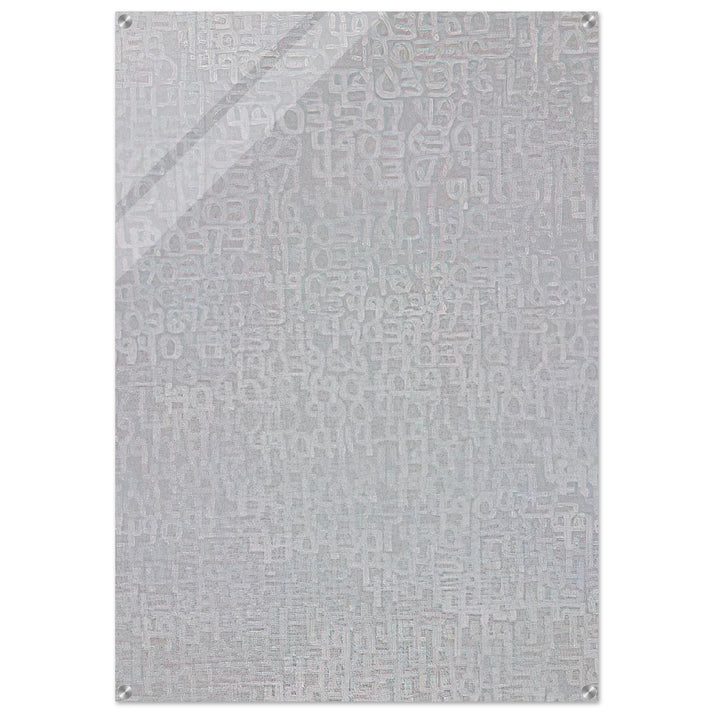
Roman Opalka’s 1965 / 1 - ∞ stands as one of the most profound monuments in conceptual art. This specific segment, Detail 4894231 - 4914799, captures a precise moment in the artist's lifelong endeavor to map the passage of time through the steady, rhythmic progression of numbers. At RedKalion, we present this philosophical masterpiece as a museum-quality acrylic print, designed to bring the depth of Opalka's existential inquiry into your contemporary space.
Sophisticated Minimalism and Expert Craftsmanship
This Roman Opalka wall art is more than a reproduction; it is a curated archival piece. Utilizing a 4mm (0.15") acrylic medium, the print offers a sleek, vibrant finish that enhances the meticulous detail of the hand-painted numbers. The straight-cut corners provide a modern aesthetic, ensuring the artwork sits with presence on any gallery wall. For optimal presentation, any transparent backgrounds in the original composition are defaulted to a crisp white, ensuring the numerical texture remains the focal point.
Curated Quality for the Discerning Collector
RedKalion is dedicated to providing archival-grade reproductions that endure. To ensure a seamless installation, each print includes a premium hanging kit designed for longevity and ease of display:
- Material: High-grade 4mm acrylic for unparalleled depth and durability.
- Installation: Pre-drilled screw holes at each corner (14mm from the edge).
- Hardware: Includes precision-engineered screws with a 15mm head for a secure, professional mount.
- Finish: Straight-cut corners for clean, minimalist lines that complement modern interiors.
Elevate your environment with an archival masterpiece that transcends mere decoration, offering instead a window into the infinite nature of time and the dedication of a master conceptualist.

Discover Unlimited Art Possibilities
At RedKalion, you can find virtually any artwork from any artist, available in a wide range of sizes to perfectly match your space.
If you didn’t find what you’re looking for, contact us at support@redkalion.com . We will source any artwork and produce it in any size and format you need, including art prints, posters, canvas, framed pieces, framed canvas, and more.
For dedicated art enthusiasts, we also offer handcrafted replicas of any artwork, carefully painted by highly skilled artists using traditional techniques.
For custom requests, contact us at support@redkalion.com .
What makes this Roman Opalka acrylic print museum-quality?
RedKalion utilizes premium 4mm acrylic to create a vibrant, high-definition finish. This material provides depth and protection, ensuring the fine art print mimics the clarity and presence of a gallery-original reproduction.
How is the Roman Opalka wall art installed?
Each print arrives with a professional hanging kit. It features pre-drilled holes at each corner (14mm from the edge) and includes high-quality screws with 15mm heads for a secure, modern, and flush-mounted presentation.
Does the acrylic print feature transparent areas?
To ensure maximum legibility of the conceptual numbers, any transparent or translucent backgrounds in the artwork are defaulted to a solid white. This provides a crisp contrast for the 70x100 cm display.
How durable is this archival reproduction?
Our acrylic prints are engineered for durability. The 4mm thickness is resistant to minor impacts and moisture, while the archival-grade printing process ensures the Detail 4894231 - 4914799 remains vibrant for decades.
What are the shipping logistics for this piece?
Your Roman Opalka print is securely packaged in protective materials to prevent scratches or cracks. We provide tracked shipping to ensure this sophisticated piece of conceptual art arrives ready for immediate installation.
What is the significance of the numbers in Opalka's work?
Opalka’s project, started in 1965, was a philosophical attempt to document time. By painting numbers from one to infinity, he created a visual record of his own life and the irreversible flow of time.
Why does the background color change in the 1 - ∞ series?
In 1972, Opalka began adding 1% more white to each successive background. This process, known as 'going towards the white,' symbolized the gradual fade of human existence into the light of the infinite.