RedKalion
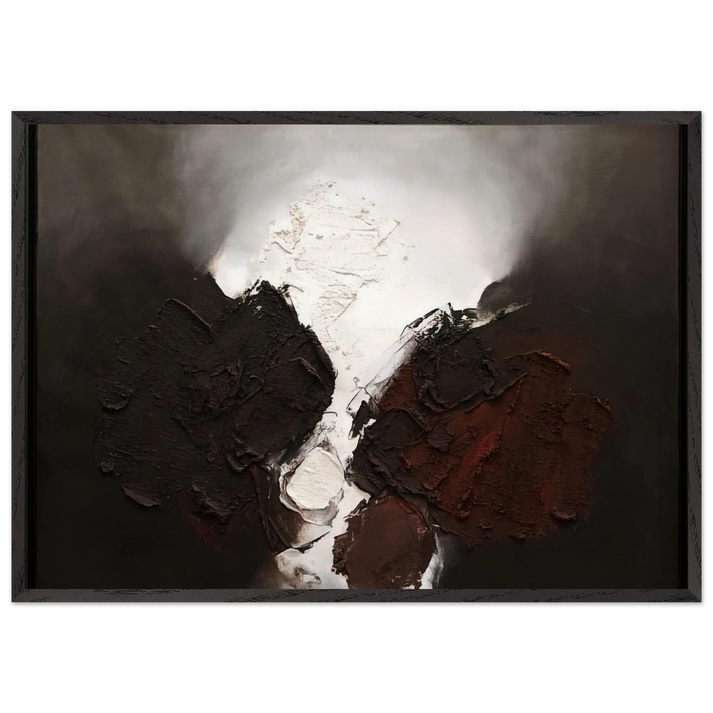
210 B 1960 - Luis Feito 70x100 cm / 28x40 inches Framed Art Print – Black Wooden Frame
210 B 1960 - Luis Feito 70x100 cm / 28x40 inches Framed Art Print – Black Wooden Frame
Couldn't load pickup availability
Elevate Your Space with Luis Feito’s 210 B (1960)
Experience the raw power of Spanish Informalism with this museum-quality reproduction of Luis Feito’s 210 B. Created in 1960, a pivotal year for the artist and the renowned El Paso collective, this piece exemplifies Feito's mastery of light, shadow, and textural abstraction. This high-fidelity 70x100 cm (28x40 inches) framed art print captures the gestural intensity and atmospheric depth that defined post-war European avant-garde art.
The Artistry of Luis Feito
Luis Feito was a visionary who sought to transcend traditional representation. In 210 B, he utilizes a minimalist yet profound palette to explore the relationship between material and void. As a founding member of the El Paso group, Feito helped revolutionize Spanish art by introducing radical abstraction. This archival-grade print preserves every subtle nuance of his technique, allowing the viewer to appreciate the historical gravity of the mid-century modern movement.
Museum-Grade Physical Specifications
At RedKalion, we curate only the finest materials to ensure your investment endures for generations. This framed masterpiece features:
- Archival Museum-Quality Paper: Printed on heavy 250 gsm (110 lb) natural white, matte, and uncoated paper with a thickness of 0.29 mm (11.4 mils).
- Premium Framing: Encased in a sophisticated 20mm (0.79") thick black frame crafted from responsibly sourced oak and ash wood, providing a more substantial presence than standard thin frames.
- Protection & Clarity: High-definition, shatterproof plexiglass protects the artwork from UV damage and dust while maintaining crystal-clear visibility.
- Sustainability: Each piece utilizes FSC-certified materials, ensuring an ethically produced addition to your collection.
- Ready to Exhibit: Your print arrives ready-to-hang with a professional hanging kit included for effortless installation.
Transform your gallery wall with an archival masterpiece that speaks to the intellect and the soul. This RedKalion edition is more than a print; it is a testament to the enduring legacy of abstract expressionism.

Discover Unlimited Art Possibilities
At RedKalion, you can find virtually any artwork from any artist, available in a wide range of sizes to perfectly match your space.
If you didn’t find what you’re looking for, contact us at support@redkalion.com . We will source any artwork and produce it in any size and format you need, including art prints, posters, canvas, framed pieces, framed canvas, and more.
For dedicated art enthusiasts, we also offer handcrafted replicas of any artwork, carefully painted by highly skilled artists using traditional techniques.
For custom requests, contact us at support@redkalion.com .
What is the quality of the paper used for this Luis Feito print?
We use 250 gsm (110 lb) natural white, matte, archival museum-quality paper. It is uncoated and 0.29 mm thick, ensuring a premium feel and long-lasting durability for fine art reproductions.
How is the artwork protected and framed?
The print is housed in a 20mm thick black frame made from solid oak or ash. It is protected by shatterproof, transparent plexiglass that preserves the art from environmental damage.
Is the framing sustainable and responsibly sourced?
Yes, all frames and paper are made from FSC-certified materials or equivalent, ensuring that your Luis Feito print meets the highest standards of environmental sustainability.
Does the print come ready to hang?
Absolutely. Your 70x100 cm framed art print includes a professional hanging kit, allowing you to mount the artwork directly onto your wall upon arrival.
How long will this archival print last?
Designed for longevity, our archival-grade paper and UV-resistant plexiglass ensure the colors remain vibrant and the paper remains stable for decades without yellowing or fading.
What is the historical context of 210 B (1960)?
Produced in 1960, this work represents Luis Feito's zenith within the Informalist movement. It reflects the intense gestural energy and spiritual abstraction characteristic of the Spanish El Paso group.
Why is Luis Feito's El Paso period significant?
The El Paso collective was essential in bringing modernism to Franco-era Spain. Feito's work during this period is highly sought after by collectors for its raw, textural exploration of the void.