RedKalion
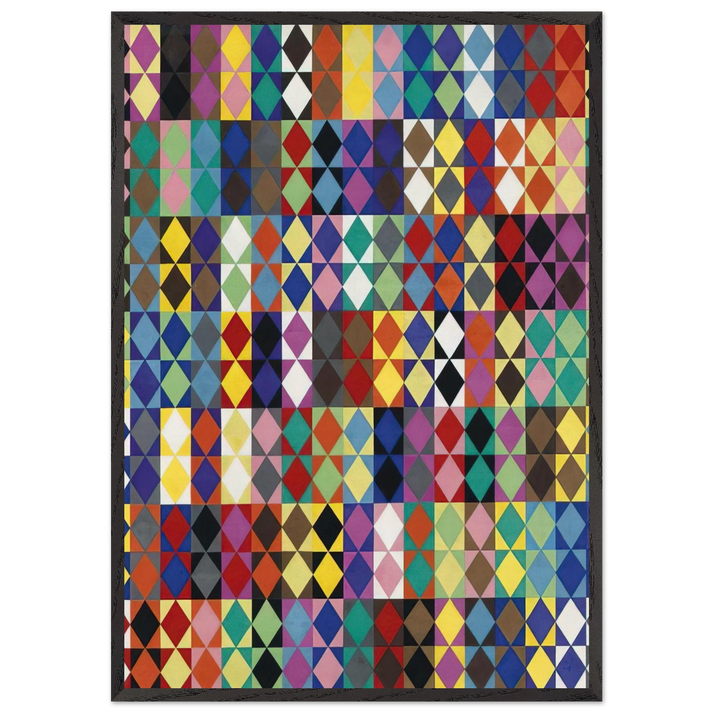
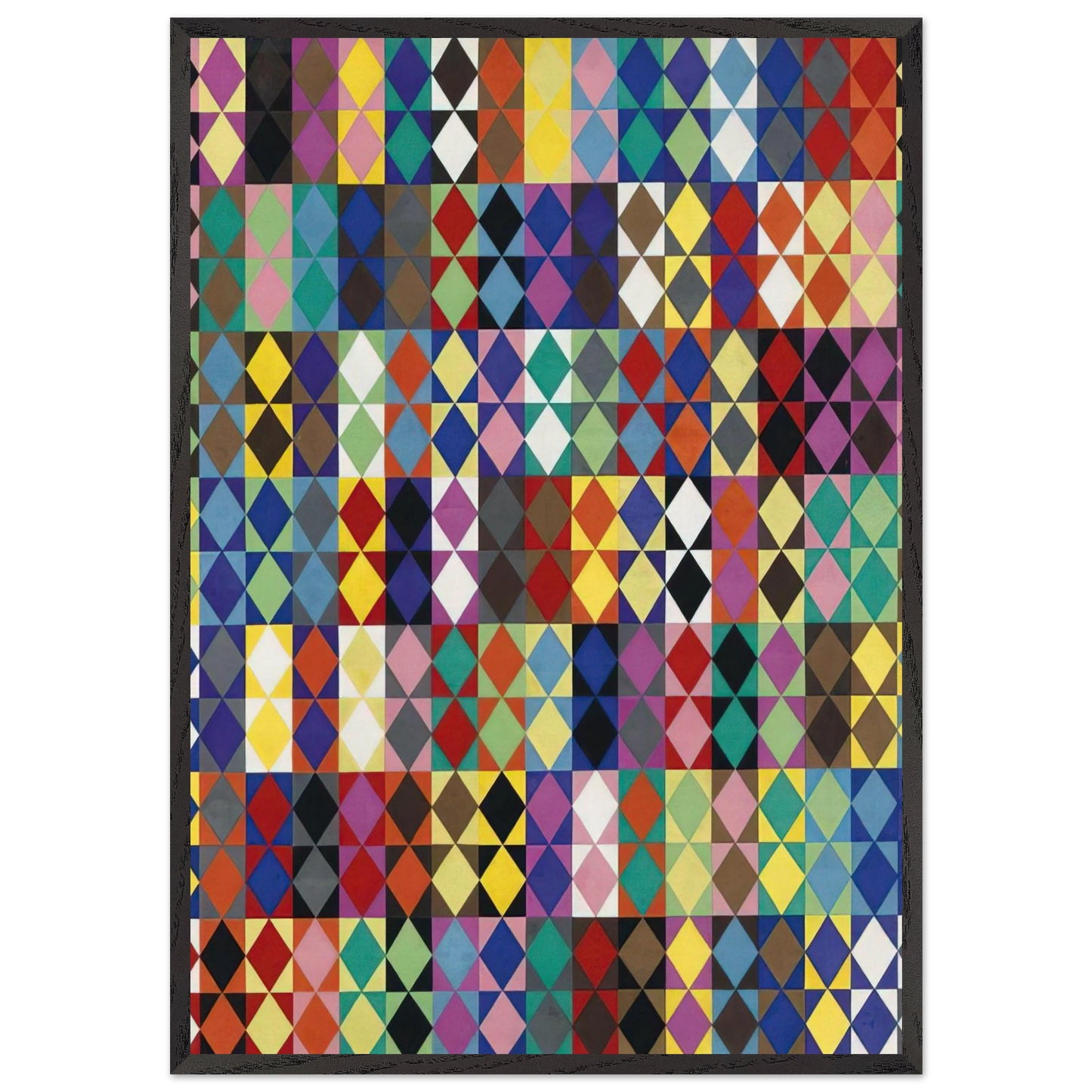
238 combinazioni cromatiche con 16 colori moltiplicati fra loro - 1969 - Dadamaino 70x100 cm / 28x40 inches Framed Art Print – Black Wooden Frame
238 combinazioni cromatiche con 16 colori moltiplicati fra loro - 1969 - Dadamaino 70x100 cm / 28x40 inches Framed Art Print – Black Wooden Frame
Couldn't load pickup availability
A Masterpiece of Systematic Abstraction: Dadamaino’s Chromatic Research
Experience the intellectual rigor and visual harmony of Italian conceptualism with this museum-quality reproduction of 238 combinazioni cromatiche con 16 colori moltiplicati fra loro (1969). Created by the pioneering artist Dadamaino (Eduarda Emilia Maino) during her profound 'Ricerca del colore' phase, this work represents a meticulous exploration of color theory and mathematical permutation. This fine art print captures the original's systematic beauty, making it an essential acquisition for collectors of geometric abstraction and mid-century avant-garde art.
The Artist's Vision: Beyond the Surface
Dadamaino was a central figure in the European neo-avant-garde, moving through movements like Azimuth and Grav. In 1969, her work pivoted toward a rigorous analysis of color as a physical and psychological phenomenon. By multiplying 16 specific colors into 238 distinct combinations, she eliminated the artist's subjective gesture in favor of a democratic, structural system. This piece is not merely a painting; it is a visual data set that challenges how we perceive chromatic depth and sequence.
RedKalion Archival Quality and Craftsmanship
At RedKalion, we specialize in curating world-class reproductions that honor the integrity of the original masterpiece. This 70x100 cm (28x40 inches) framed art print is produced to the highest archival standards to ensure your investment endures for generations.
- Museum-Quality Paper: Printed on 250 gsm (110 lb) natural white, archival-grade paper with a sophisticated matte, uncoated finish.
- Premium Framing: Encased in a responsibly sourced black oak/ash wood frame, featuring a robust 20mm (0.79") profile for a more substantial presence than standard frames.
- Shatterproof Protection: Your print is shielded by transparent, shatterproof plexiglass, ensuring longevity and safety in any environment.
- Sustainably Sourced: All materials are FSC-certified or equivalent, reflecting our commitment to environmental stewardship.
- Ready-to-Hang: Delivered with a professional hanging kit, allowing you to elevate your interior space immediately upon arrival.
Invite the structural elegance of Dadamaino into your home or office. This archival masterpiece serves as both a focal point of sophisticated design and a testament to the enduring power of 20th-century Italian conceptual art.
Discover Unlimited Art Possibilities
At RedKalion, you can find virtually any artwork from any artist, available in a wide range of sizes to perfectly match your space.
If you didn’t find what you’re looking for, contact us at support@redkalion.com . We will source any artwork and produce it in any size and format you need, including art prints, posters, canvas, framed pieces, framed canvas, and more.
For dedicated art enthusiasts, we also offer handcrafted replicas of any artwork, carefully painted by highly skilled artists using traditional techniques.
For custom requests, contact us at support@redkalion.com .
What are the paper specifications for this Dadamaino print?
We use 250 gsm (110 lb) archival museum-quality paper. It is natural white, uncoated, and features a matte finish that prevents glare, ensuring the 16 colors of Dadamaino’s work remain vibrant and true to the original 1969 masterpiece.
Is the black wooden frame sustainably sourced?
Yes. RedKalion utilizes responsibly sourced oak and ash wood for our frames. All materials are FSC-certified or equivalent, ensuring your art print meets the highest environmental and ethical standards while providing a premium 20mm thick profile.
How is the artwork protected during shipping?
Each framed print is meticulously packaged with reinforced corners and protective wrapping. We use shatterproof plexiglass rather than standard glass to ensure the artwork arrives in perfect condition, regardless of the destination.
Will the colors of the chromatic combinations fade over time?
No. By using archival-grade, acid-free paper and high-quality inks, our prints are designed for longevity. The matte finish and protective plexiglass further shield the pigments from environmental degradation, preserving the 238 combinations for decades.
Is the art print ready to hang upon delivery?
Absolutely. Your RedKalion framed art print comes with a pre-installed hanging kit. The robust 20mm frame is designed for easy mounting, allowing you to display this 70x100 cm masterpiece immediately.
What was Dadamaino's 'Ricerca del colore' period?
Started in the late 1960s, this period saw Dadamaino abandon gestural art for systematic, mathematical explorations of color. She used specific sets of colors to create programmed permutations, focusing on the objectivity of visual perception rather than emotional expression.
Why did Dadamaino use 16 colors in this specific 1969 work?
Dadamaino chose 16 colors as a base set to explore the mathematical limits of combination. By multiplying them into 238 variations, she demonstrated how a rigid system could produce infinite visual complexity, a core tenet of the International 'Nouvelle Tendance' movement.