RedKalion
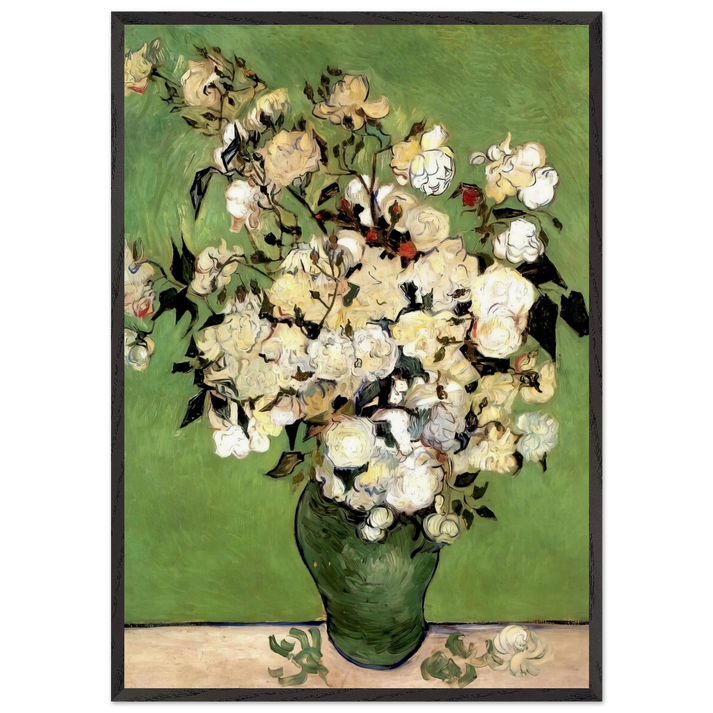
A Vase of Roses - Vincent van Gogh 70x100 cm / 28x40 inches Framed Art Print – Black Wooden Frame
A Vase of Roses - Vincent van Gogh 70x100 cm / 28x40 inches Framed Art Print – Black Wooden Frame
Couldn't load pickup availability
Elevate Your Space with Van Gogh’s Botanical Masterpiece
Experience the profound serenity of Vincent van Gogh’s 'A Vase of Roses', a definitive work of Post-Impressionism captured during the artist's final weeks in Saint-Rémy-de-Provence. This museum-quality reproduction from RedKalion honors Van Gogh's masterful use of impasto and color theory, showcasing the lush, undulating forms of roses that symbolize renewal and optimism. Originally painted in 1890, this piece reflects a rare moment of tranquility in the artist's life, rendered with the expressive brushwork that defines his legacy.
Archival Excellence and Sustainable Craftsmanship
At RedKalion, we believe fine art deserves the highest standard of preservation. This fine art print is meticulously produced on 250 gsm (110 lb) natural white, archival-grade paper. The matte, uncoated finish ensures a glare-free viewing experience, allowing the subtle shifts in Van Gogh's palette to resonate. To ensure the longevity of your investment, we use FSC-certified materials, demonstrating our commitment to both artistic heritage and environmental responsibility.
Premium Framing for the Modern Collector
Your Vincent van Gogh framed art print arrives encased in a sophisticated black frame crafted from responsibly sourced oak and ash. Measuring 20mm (0.79") in both thickness and width, this frame provides a more substantial and premium presence than standard alternatives. The artwork is shielded by shatterproof, transparent plexiglass, preserving the integrity of the print while ensuring safety in any environment. Each piece is delivered ready-to-hang, complete with a professional hanging kit for immediate installation.
- Artist: Vincent van Gogh
- Title: A Vase of Roses (1890)
- Paper: 250 gsm museum-quality archival paper
- Frame: 20mm solid black wooden frame (Oak/Ash)
- Protection: Shatterproof plexiglass
- Sustainability: FSC-certified materials

Discover Unlimited Art Possibilities
At RedKalion, you can find virtually any artwork from any artist, available in a wide range of sizes to perfectly match your space.
If you didn’t find what you’re looking for, contact us at support@redkalion.com . We will source any artwork and produce it in any size and format you need, including art prints, posters, canvas, framed pieces, framed canvas, and more.
For dedicated art enthusiasts, we also offer handcrafted replicas of any artwork, carefully painted by highly skilled artists using traditional techniques.
For custom requests, contact us at support@redkalion.com .
What makes this Van Gogh print museum-quality?
Our reproductions use 250 gsm archival paper and acid-free inks, ensuring the depth of color and detail matches the standards of international galleries for long-term display.
Is the frame made of genuine wood?
Yes, we use responsibly sourced oak and ash for our frames. The black finish highlights the 20mm thickness, providing a sturdy, premium feel compared to thinner frames.
How is the artwork protected during shipping?
Every framed print is secured with shatterproof plexiglass and packaged in reinforced, protective materials to ensure it arrives in pristine condition at your doorstep.
Does the print come ready to hang?
Absolutely. Each RedKalion framed print includes a specialized hanging kit, allowing you to elevate your interior design immediately upon arrival.
What is the archival longevity of this print?
Designed to endure for generations, our museum-quality paper and UV-resistant materials prevent yellowing and fading, maintaining the artwork's vibrancy for decades.
When did Van Gogh paint 'A Vase of Roses'?
Van Gogh painted this masterpiece in May 1890 at the asylum in Saint-Rémy-de-Provence, just before his departure for Auvers-sur-Oise, symbolizing a period of creative fertility.
Why do the roses in the painting appear white today?
Van Gogh originally used fugitive red pigments that have faded over time. What we see today as white was once a delicate pink, a common occurrence in his floral works.