RedKalion
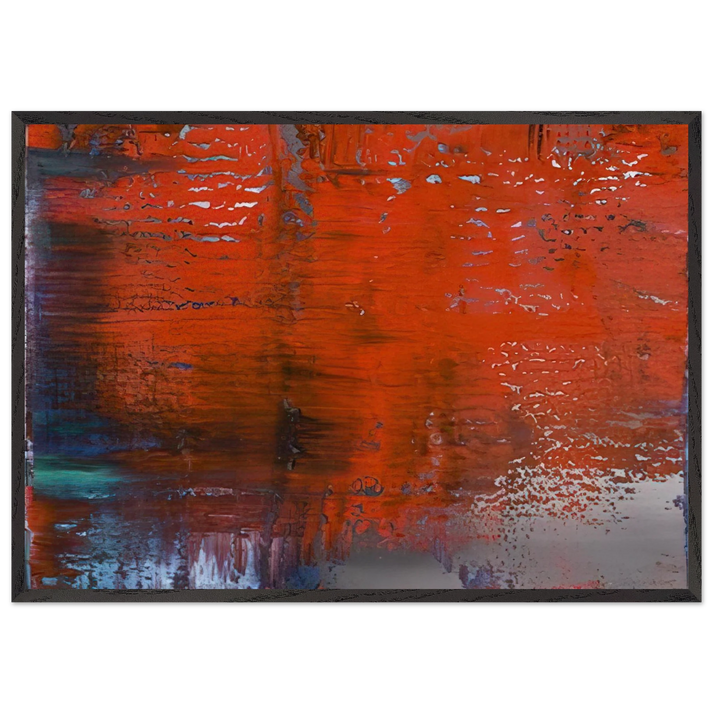
ABSTRACT PAINTING 805 4 - Gerhard Richter 70x100 cm / 28x40 inches Framed Art Print – Black Wooden Frame
ABSTRACT PAINTING 805 4 - Gerhard Richter 70x100 cm / 28x40 inches Framed Art Print – Black Wooden Frame
Couldn't load pickup availability
Elevate Your Space with Gerhard Richter’s Abstract Painting 805-4
Experience the profound depth and calculated spontaneity of Gerhard Richter’s Abstract Painting 805-4. As one of the most influential figures in contemporary art, Richter’s 'Abstraktes Bild' series represents a pinnacle of late 20th-century abstraction. This museum-quality reproduction captures the intricate layers and vibrant chromatic tension that define Richter’s legendary squeegee technique, offering an immersive visual experience that transforms any interior into a private gallery.
The Artistry of the Squeegee
In Abstract Painting 805-4, Richter utilizes a massive squeegee to drag wet oil paint across the canvas, a process that both creates and destroys form. This method introduces an element of chance, revealing underlying strata of color while masking others. Our fine art print meticulously preserves these textures, from the sharp vertical striations to the soft, blurred transitions, ensuring the archival-grade reproduction remains faithful to the 1994 original.
Museum-Quality Physical Specifications
RedKalion is dedicated to curating works that endure. This 70x100 cm (28x40 inches) framed masterpiece is crafted using premium materials designed for longevity and aesthetic excellence:
- Archival Paper: Printed on 250 gsm (110 lb) natural white, matte, and uncoated paper. This museum-grade substrate ensures a glare-free viewing experience and prevents yellowing over time.
- Premium Framing: Encased in a sophisticated 20mm (0.79") thick black frame, meticulously crafted from responsibly sourced ash or oak wood. This wider profile provides a robust, contemporary presence compared to standard thin frames.
- Shatterproof Protection: Every print is shielded by high-clarity, shatterproof plexiglass, ensuring your investment is protected while maintaining perfect visibility.
- Ready to Hang: Your artwork arrives with a professional hanging kit included, allowing for immediate installation.
A Sustainable Heritage
By choosing this RedKalion edition, you are supporting sustainable practices. We utilize FSC-certified materials, ensuring that your appreciation for art aligns with a commitment to the environment. This framed art print is not merely a decoration; it is a testament to sophisticated taste and an investment in the enduring legacy of Gerhard Richter.

Discover Unlimited Art Possibilities
At RedKalion, you can find virtually any artwork from any artist, available in a wide range of sizes to perfectly match your space.
If you didn’t find what you’re looking for, contact us at support@redkalion.com . We will source any artwork and produce it in any size and format you need, including art prints, posters, canvas, framed pieces, framed canvas, and more.
For dedicated art enthusiasts, we also offer handcrafted replicas of any artwork, carefully painted by highly skilled artists using traditional techniques.
For custom requests, contact us at support@redkalion.com .
What materials are used for the Gerhard Richter 805-4 print?
We use 250 gsm archival-grade, natural white matte paper. The frame is constructed from responsibly sourced black-finished ash or oak wood, measuring 20mm in width for a premium, gallery-style aesthetic.
Is the Abstract Painting 805-4 ready to hang upon delivery?
Yes. Each framed art print includes a pre-installed hanging kit. The 70x100 cm frame is designed for easy installation, allowing you to elevate your space immediately upon arrival.
How is the print protected against damage and aging?
The artwork is protected by archival-quality, shatterproof plexiglass. Combined with our acid-free, 250 gsm museum-quality paper, the print is shielded from dust, physical impact, and environmental degradation.
Are the framing materials environmentally sustainable?
Absolutely. RedKalion uses FSC-certified wood for our frames and equivalent sustainable paper standards. We ensure that our museum-quality reproductions are as kind to the planet as they are beautiful.
What are the exact dimensions of the frame and paper?
The paper size is 70x100 cm (28x40 inches). The black wooden frame adds a sophisticated border with a 20mm (0.79") thickness and width, providing a substantial and modern profile.
What was Gerhard Richter's technique for Abstract Painting 805-4?
Richter used his signature 'squeegee' method, layering primary colors and scraping them across the canvas. This creates a complex topography of 'planned chaos,' where layers of paint are partially revealed or obscured.
Why is Richter's 'Abstraktes Bild' series significant in art history?
This series challenged the notion of the artist's hand. By using mechanical tools like the squeegee, Richter explored the relationship between photography, chance, and the traditional medium of painting, redefining contemporary abstraction.