

RedKalion
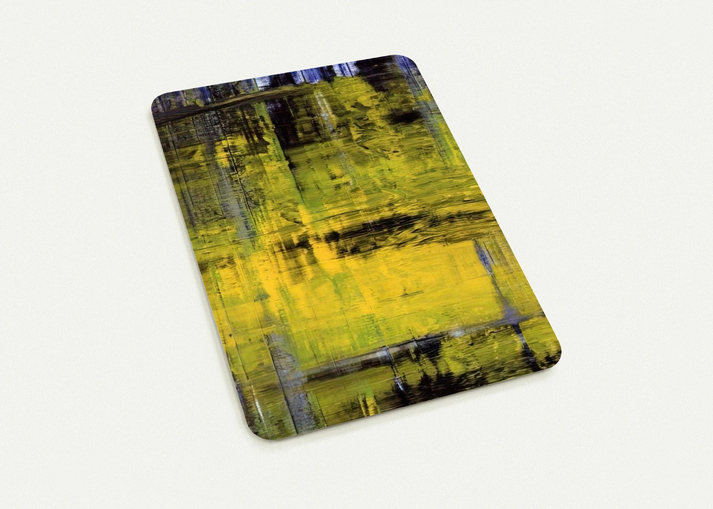
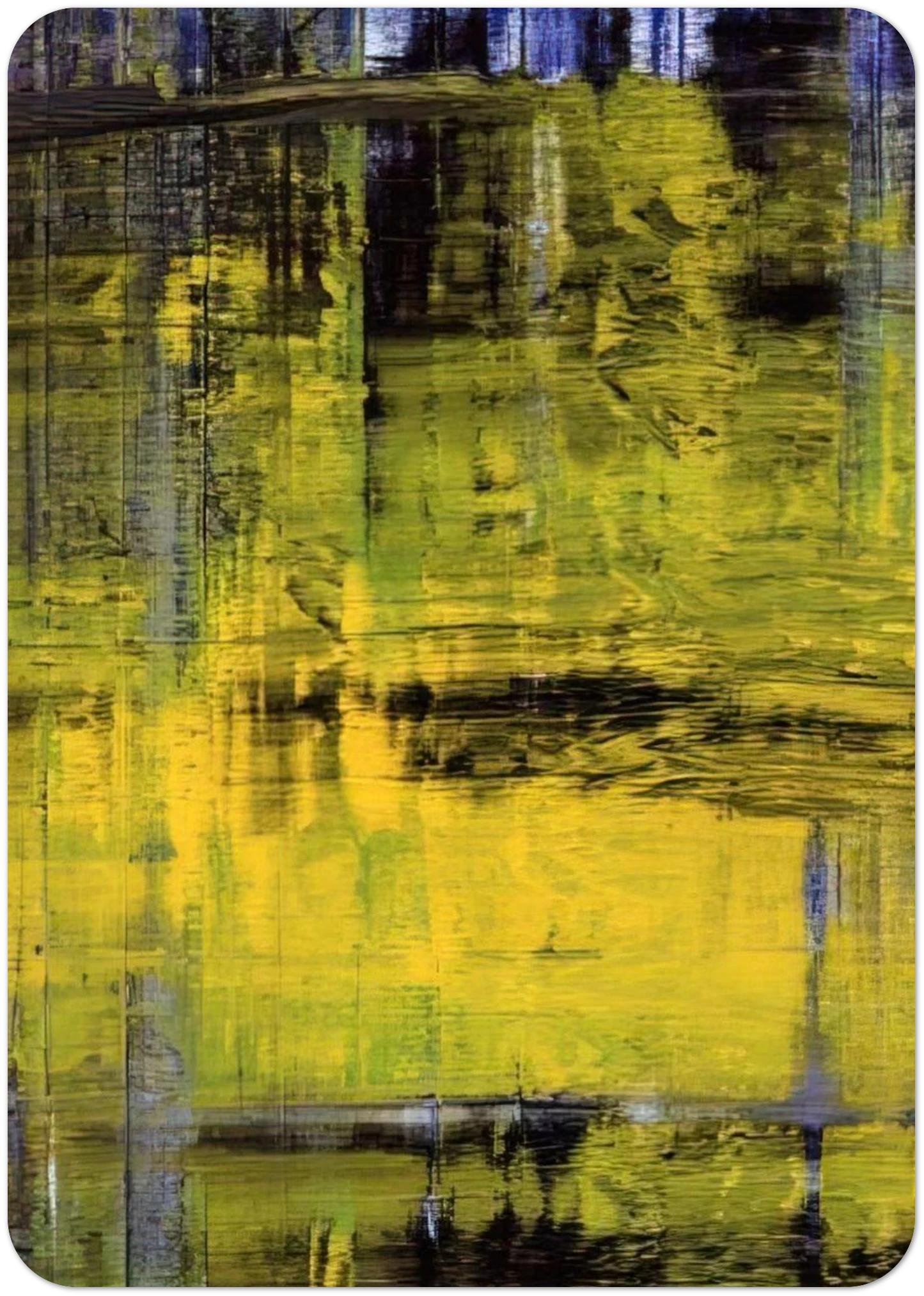
ABSTRAKTES BILD ABSTRACT PICTURE 1994 By Gerhard Richter Pack of 10 Post Cards | Gerhard Richter Post Cards | A6 (10.5 x 14.8 cm) - 4.1 x 5.8 inches
ABSTRAKTES BILD ABSTRACT PICTURE 1994 By Gerhard Richter Pack of 10 Post Cards | Gerhard Richter Post Cards | A6 (10.5 x 14.8 cm) - 4.1 x 5.8 inches
Couldn't load pickup availability
Elevate Your Correspondence with Gerhard Richter’s Abstraktes Bild (1994)
Experience the profound complexity of contemporary art with this exclusive pack of 10 postcards featuring Gerhard Richter’s iconic Abstraktes Bild (Abstract Picture) 1994. As one of the most influential living artists, Richter’s abstract works from the mid-90s represent a pinnacle of his career, exploring the delicate balance between calculated technique and serendipitous discovery. This set of A6 fine art prints (10.5 x 14.8 cm) allows you to share or display a piece of art history with museum-grade fidelity.
The Artistry of the Squeegee
Richter’s 1994 series is celebrated for its use of the Rakel (squeegee). By dragging large, rubber-tipped tools across wet layers of pigment, Richter creates a unique interplay of colors that reveal hidden strata beneath. At RedKalion, we honor this textural depth by utilizing 12-color fine art printing technology. Unlike standard 4-color inkjet processes, our method captures the nuanced gradients and vibrant hues of Richter's palette with stunning precision and archival depth.
Museum-Quality Specifications
Each card in this collection is a testament to quality craftsmanship. Printed on 200 gsm (80 lb) environmentally conscious, FSC-certified paper, these postcards offer a substantial thickness of 0.26 mm (10.3 mils). The smooth matte finish ensures a clean, glare-free display, making them equally suited for thoughtful correspondence or a curated mini-gallery on your wall. Our print-on-demand philosophy ensures that each pack is produced with meticulous attention to detail, meeting the high standards expected of a premier gallery reproduction.
Refine your collection and invite the sophisticated energy of Gerhard Richter into your home. These museum-quality reproductions offer an enduring connection to the master of German abstraction, providing a tactile experience that transcends the digital age.


Discover Unlimited Art Possibilities
At RedKalion, you can find virtually any artwork from any artist, available in a wide range of sizes to perfectly match your space.
If you didn’t find what you’re looking for, contact us at support@redkalion.com . We will source any artwork and produce it in any size and format you need, including art prints, posters, canvas, framed pieces, framed canvas, and more.
For dedicated art enthusiasts, we also offer handcrafted replicas of any artwork, carefully painted by highly skilled artists using traditional techniques.
For custom requests, contact us at support@redkalion.com .
What printing technology is used for these Gerhard Richter postcards?
We use advanced 12-color fine art printing technology. This ensures superior color vibrancy and depth compared to standard 4-color printing, accurately capturing the complex layers of Richter’s Abstraktes Bild.
What are the paper and finishing specifications?
The postcards are printed on 200 gsm (80 lb) FSC-certified paper with a thickness of 0.26 mm. They feature a smooth matte finish for a sophisticated, glare-free aesthetic.
Are these postcards suitable for international mailing?
Yes, the 200 gsm weight and 10.3 mil thickness provide the durability required for postal services, while the A6 size (4.1 x 5.8 inches) meets standard postcard regulations.
Is the paper used for these prints environmentally friendly?
Absolutely. RedKalion uses FSC-certified paper, ensuring that the materials are sourced from responsibly managed forests that provide environmental, social, and economic benefits.
Will the colors fade over time?
No, our use of archival-grade inks and high-quality matte paper ensures long-term vibrancy and resistance to fading, allowing the artwork to maintain its integrity for years to come.
What makes Richter's Abstraktes Bild (1994) historically significant?
The 1994 series represents the height of Richter’s abstract period, where he perfected the squeegee technique to create dense, multi-layered compositions that challenge the viewer's perception of space.
How did Gerhard Richter achieve the unique texture in the original 1994 painting?
Richter used a custom-made squeegee to scrape and smear layers of wet oil paint across the canvas, a process that blends intentionality with chance to reveal underlying layers of color.