


RedKalion
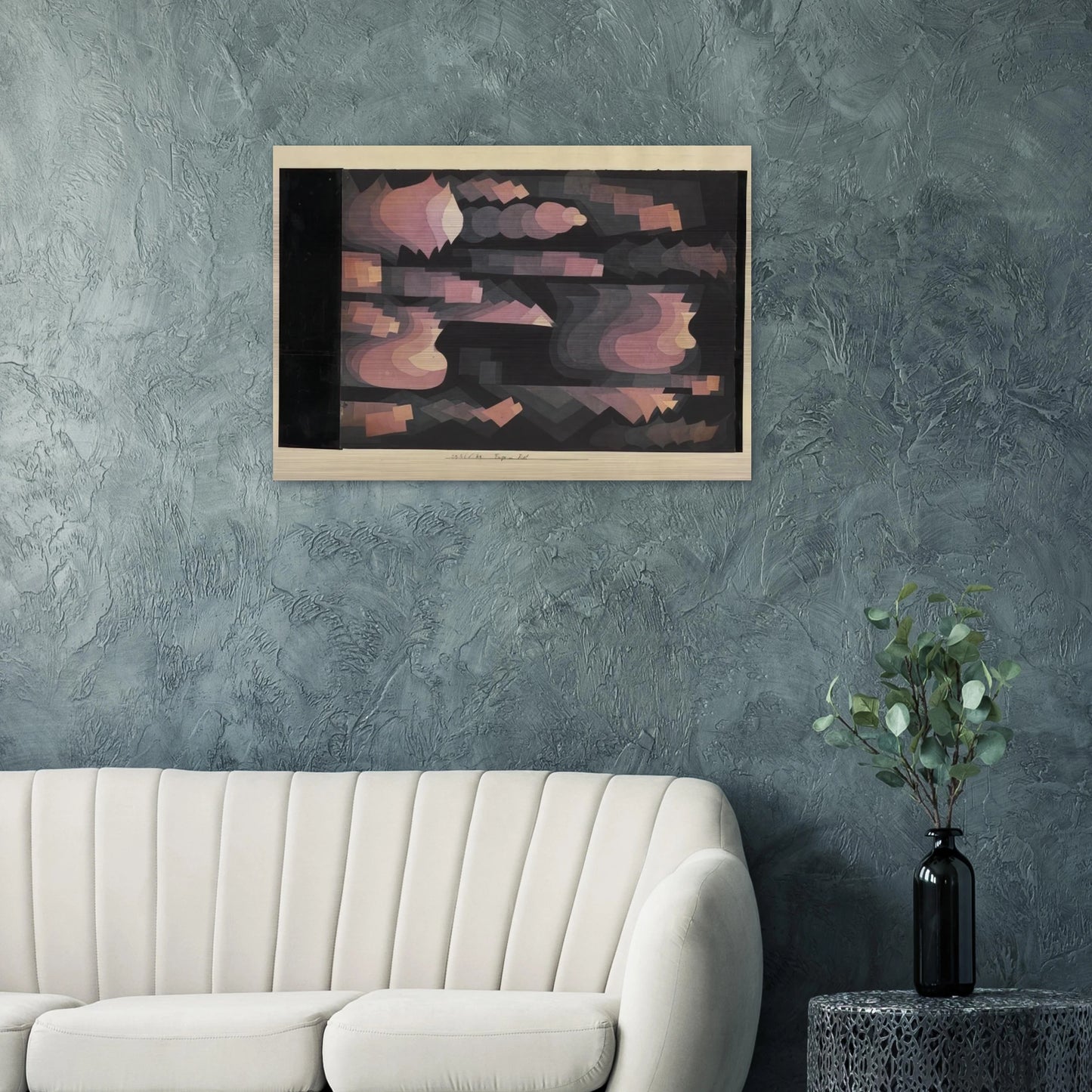
ADD IN RED 1921 - Paul Klee Brushed Aluminum Print - 70x100 cm / 28x40 inches | Paul Klee Aluminum Print | Paul Klee Prints
ADD IN RED 1921 - Paul Klee Brushed Aluminum Print - 70x100 cm / 28x40 inches | Paul Klee Aluminum Print | Paul Klee Prints
Couldn't load pickup availability
Add in Red, 1921: A Geometric Symphony by Paul Klee
Experience the profound color theory and rhythmic abstraction of Paul Klee with this museum-quality reproduction of Add in Red (1921). Created during Klee’s foundational years at the Bauhaus, this masterpiece exemplifies his transition toward the 'Magical Square' technique, where color is treated as a structural element rather than a decorative one. This fine art print captures the tension between constructive rigor and poetic expression, making it a definitive piece for collectors of modernism.
The RedKalion Archival Standard
At RedKalion, we elevate this 20th-century icon through contemporary engineering. Printed on brushed silver Aluminum DIBOND®, the artwork takes on a dynamic, industrial sophistication. The 3mm (0.12") thick base provides a rigid, durable foundation, while the horizontal grain of the metallic finish interacts with ambient light to bring Klee's grid-like structures to life.
- Luminous Metallic Finish: White and light areas of the composition are not printed, allowing the brushed aluminum grain to shine through with a striking silver effect.
- Matte & Glare-Free: The direct-to-surface print ensures vivid color saturation without distracting reflections, perfect for high-light environments.
- Architectural Durability: The 70x100 cm (28x40 inches) format offers a commanding presence, supported by the premium 3mm Dibond construction.
By choosing this RedKalion edition, you are investing in an archival-grade reproduction that honors Klee’s legacy while utilizing modern materials that ensure longevity and aesthetic brilliance for decades to come.


Discover Unlimited Art Possibilities
At RedKalion, you can find virtually any artwork from any artist, available in a wide range of sizes to perfectly match your space.
If you didn’t find what you’re looking for, contact us at support@redkalion.com . We will source any artwork and produce it in any size and format you need, including art prints, posters, canvas, framed pieces, framed canvas, and more.
For dedicated art enthusiasts, we also offer handcrafted replicas of any artwork, carefully painted by highly skilled artists using traditional techniques.
For custom requests, contact us at support@redkalion.com .
What is the material used for this Paul Klee print?
This print is crafted on 3mm brushed silver Aluminum DIBOND®, a premium material known for its rigidity and lightweight properties, offering a sleek, modern alternative to traditional canvas.
How does the brushed aluminum finish affect the appearance of "Add in Red"?
The horizontal grain provides a metallic silver effect in the unprinted areas, creating a dynamic interplay of light that enhances Klee's geometric abstraction and gives the piece a sophisticated, industrial texture.
Is the hanging hardware included with the purchase?
Yes, each Paul Klee aluminum print includes a high-quality hanging kit. The specific hardware varies by fulfillment country to ensure the most secure installation for your location.
What are the shipping logistics for this museum-quality reproduction?
We partner with global fulfillment centers to ensure safe, expedited shipping. Each order is meticulously packaged in protective materials to arrive at your door in pristine condition.
How long will this archival-grade aluminum print last?
Our AluDibond prints are designed for decades of durability. The direct-print technology on aluminum is resistant to fading and environmental degradation, ensuring a lasting investment for your collection.
What is the historical significance of Paul Klee's "Add in Red" (1921)?
Produced in 1921, this work marks Klee’s early influence at the Bauhaus. It explores the rhythm of color squares, balancing mathematical precision with the artist's signature whimsical abstraction.
How does the Bauhaus style influence this specific artwork?
The influence is seen in the grid-based composition and the focus on primary color relationships, reflecting the school's philosophy of merging fine art with functional, structural design principles.