RedKalion
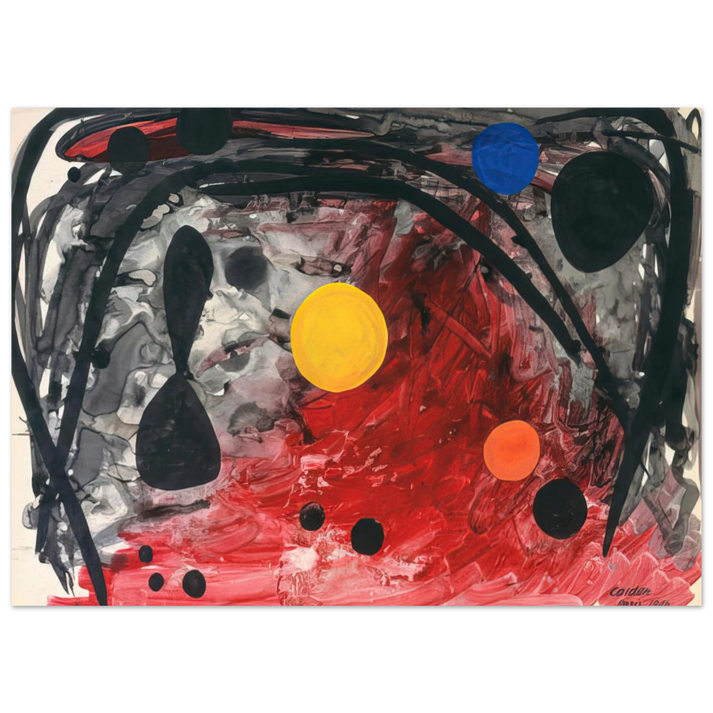
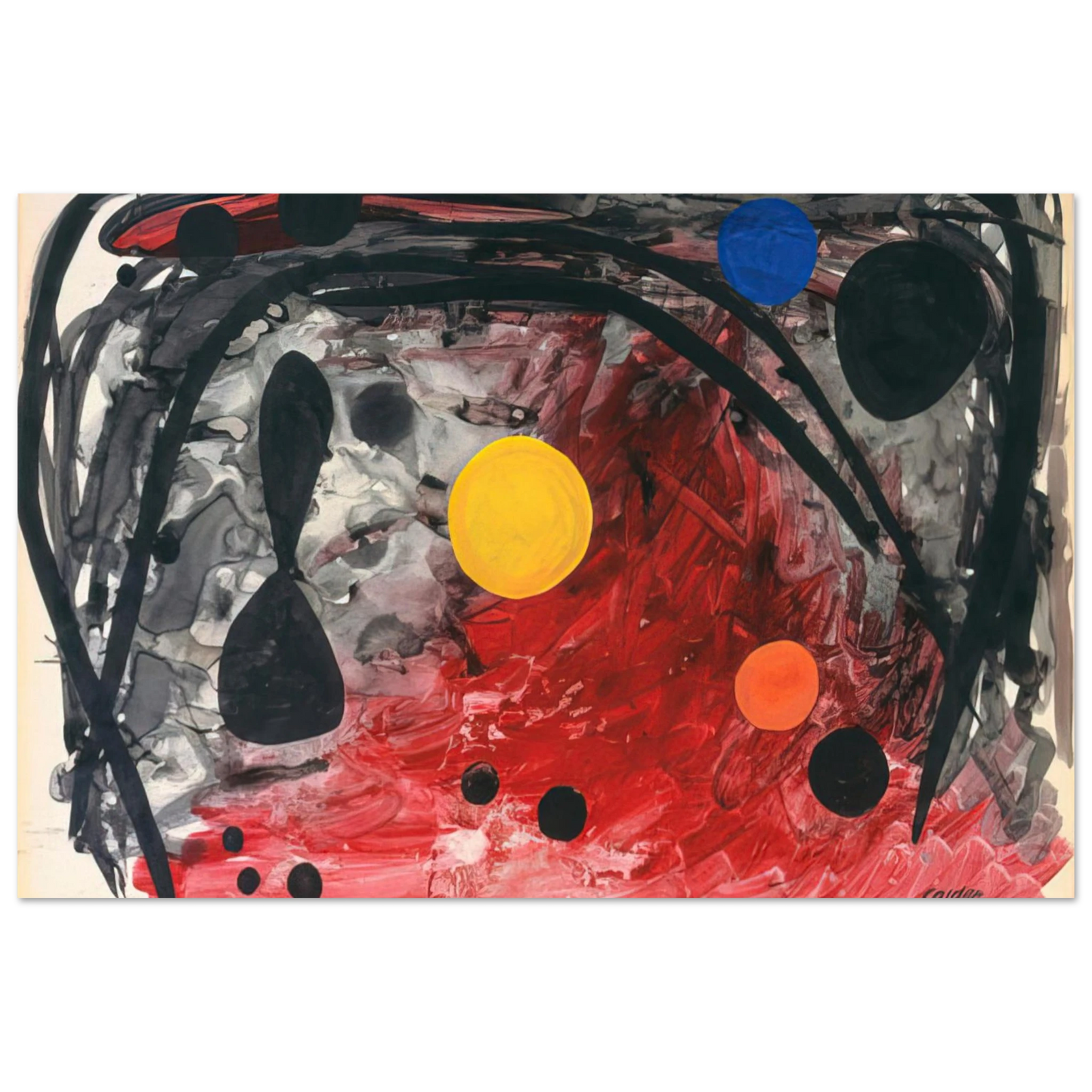
Alexander Calder - UNTITLED 1946 Fine Art Poster
Alexander Calder - UNTITLED 1946 Fine Art Poster
Couldn't load pickup availability
Experience Mid-Century Mastery with Alexander Calder’s UNTITLED 1946
Step into the visionary world of Alexander Calder with this exquisite fine art print of his 1946 untitled masterpiece. Renowned for revolutionizing sculpture with his kinetic mobiles, Calder’s graphic works translate that same sense of weightless balance and rhythmic energy to a two-dimensional plane. This 1946 composition captures a pivotal moment in modern art, reflecting the post-war shift toward organic abstraction and bold, playful geometry.
At RedKalion, we honor Calder’s legacy by producing museum-quality reproductions that preserve the vibrant integrity of his palette. Every line and biomorphic form is rendered with clinical precision, ensuring your space reflects the intellectual depth of one of the 20th century’s most influential artists.
Premium Materials for a Lifetime of Appreciation
Our commitment to archival excellence defines the RedKalion standard. This print is produced on our Master’s Edition archival paper, specifically chosen for its luxurious texture and enduring stability. The matte, uncoated finish eliminates glare, allowing the natural white background to accentuate Calder’s signature primary colors without the distraction of synthetic reflections.
- Weight and Thickness: A substantial 250 gsm (110 lb) paper with a thickness of 0.29 mm (11.4 mils) for a professional, heavy-duty feel.
- Archival Longevity: Acid-free composition (pH above 7) prevents yellowing or degradation, ensuring the artwork remains as vivid as the day it was printed.
- Sustainable Sourcing: Printed on FSC-certified paper, aligning artistic beauty with environmental responsibility.
- Bespoke Fulfillment: Each piece is printed on demand with no minimum order requirements, reducing waste and ensuring your print is handled with individual care.
Elevate your space with an archival masterpiece that endures; choose a RedKalion reproduction that brings the spirit of the museum into your private collection.


Discover Unlimited Art Possibilities
At RedKalion, you can find virtually any artwork from any artist, available in a wide range of sizes to perfectly match your space.
If you didn’t find what you’re looking for, contact us at support@redkalion.com . We will source any artwork and produce it in any size and format you need, including art prints, posters, canvas, framed pieces, framed canvas, and more.
For dedicated art enthusiasts, we also offer handcrafted replicas of any artwork, carefully painted by highly skilled artists using traditional techniques.
For custom requests, contact us at support@redkalion.com .
What makes the Alexander Calder UNTITLED 1946 print a museum-quality reproduction?
RedKalion uses Master's Edition archival paper (250 gsm) with acid-free properties. This ensures the 1946 piece maintains its color integrity and structural quality, matching the standards required for fine art galleries and serious collectors.
Describe the texture and finish of the paper used for this fine art print.
The print features a matte, uncoated finish on natural white (off-white) paper. This creates a luxurious, tactile feel that absorbs light beautifully, highlighting Calder’s biomorphic shapes without any reflective glare or synthetic sheen.
How does RedKalion ensure the longevity of the artwork over time?
We use acid-free paper with a pH level above 7. This chemical stability prevents the paper from yellowing or becoming brittle, ensuring your Alexander Calder reproduction remains in pristine condition for generations.
What are the shipping and fulfillment details for this poster?
Each Calder fine art poster is printed on demand with no minimum order. We ship globally using protective packaging to ensure your museum-quality print arrives in perfect condition, ready for framing and display.
Is the paper used for this print environmentally sustainable?
Yes. All RedKalion prints are produced on FSC-certified paper. This ensures the materials are sourced from responsibly managed forests that provide environmental, social, and economic benefits while supporting global conservation efforts.
What was the significance of 1946 in Alexander Calder’s artistic career?
1946 was a year of intense creativity for Calder as he translated his mobile concepts into graphic forms. His works from this era reflect a mastery of spatial relationships and bold primary colors following the end of WWII.
Why did Calder focus so heavily on primary colors and organic shapes?
Calder sought to distill visual language to its most fundamental elements. Primary colors and biomorphic shapes allowed him to explore universal themes of balance, tension, and the natural world’s underlying structures in a minimalist fashion.