
RedKalion
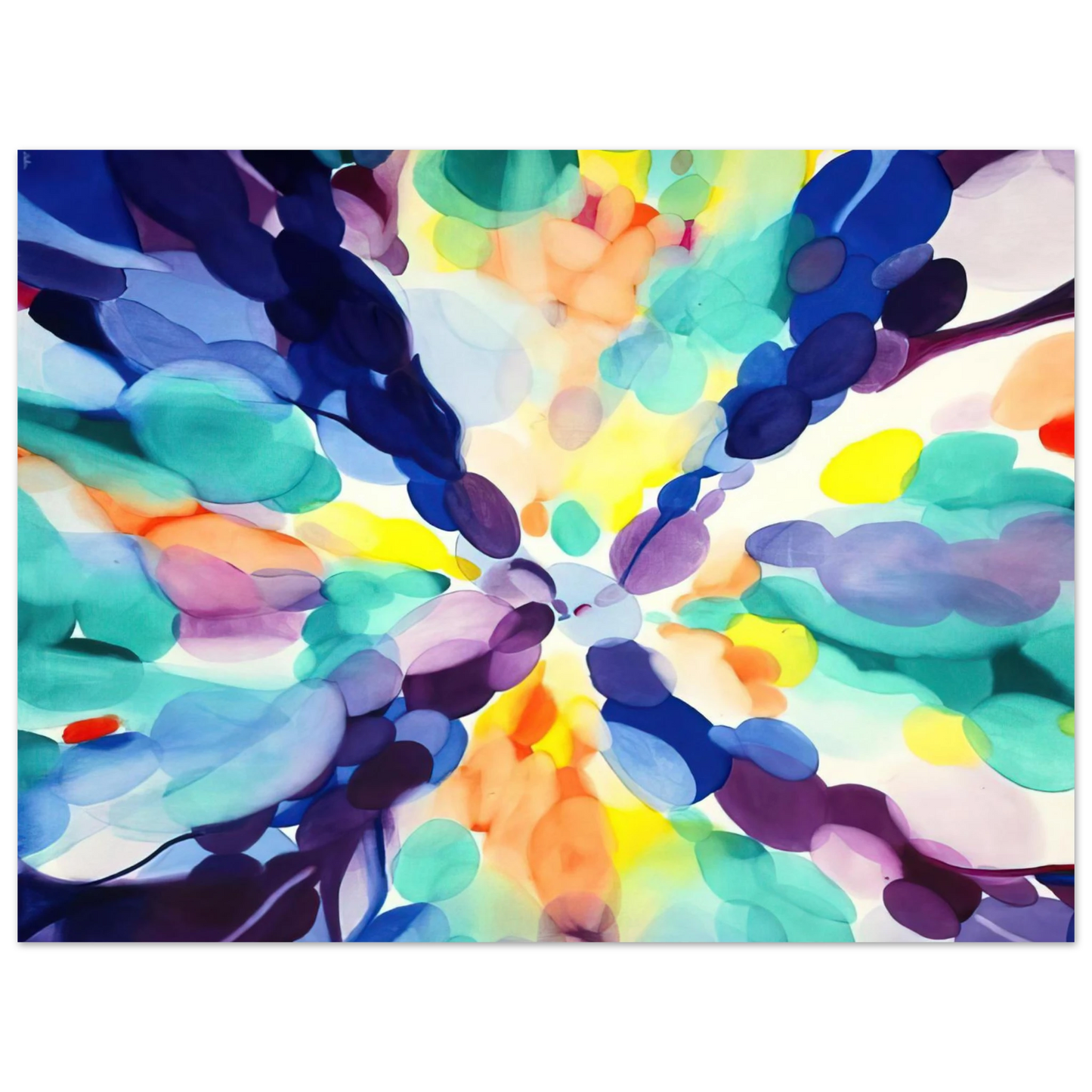
Alice Baber - Lavender High 75x100 cm / 30x40inches Fine Art Poster
Alice Baber - Lavender High 75x100 cm / 30x40inches Fine Art Poster
Couldn't load pickup availability
The Luminous Abstraction of Alice Baber’s 'Lavender High'
Experience the ethereal beauty of Alice Baber’s 'Lavender High', a definitive masterpiece of Lyrical Abstraction. This fine art print captures the essence of Baber’s signature 'oil stain' technique, where translucent, overlapping shapes create a sense of infinite depth and movement. Originally conceived during the height of the Color Field movement, this piece resonates with a spiritual luminosity, utilizing various shades of lavender and violet to evoke a feeling of weightlessness and light.
Museum-Quality Craftsmanship for the Discerning Collector
At RedKalion, we believe that an Alice Baber fine art poster should reflect the same integrity as the original canvas. To achieve this, we utilize our Master's Edition archival paper. This premium substrate provides a luxurious, off-white foundation that enhances the saturation of Baber’s delicate color transitions without the glare of standard photographic prints. Every detail, from the softest gradient to the most defined edge, is preserved with museum-quality precision.
Technical Specifications & Archival Standards
Your Lavender High reproduction is printed on archival-grade material designed to endure for generations. The specifications include:
- Paper Weight: 250 gsm (110 lb) for a substantial, high-end feel.
- Texture & Finish: A refined matte, uncoated finish on natural white paper.
- Longevity: Acid-free (pH above 7) composition ensures your print remains vibrant and resists yellowing over time.
- Sustainability: Printed on FSC-certified paper, reflecting a commitment to environmental stewardship.
- Thickness: A robust 0.29 mm (11.4 mils) profile, ensuring the print lies flat and resists creasing.
Elevate your interior with an archival masterpiece that honors the legacy of 20th-century abstraction. This 75x100 cm (30x40 inch) print arrives ready to be framed, offering a sophisticated focal point for modern and contemporary spaces alike.
Discover Unlimited Art Possibilities
At RedKalion, you can find virtually any artwork from any artist, available in a wide range of sizes to perfectly match your space.
If you didn’t find what you’re looking for, contact us at support@redkalion.com . We will source any artwork and produce it in any size and format you need, including art prints, posters, canvas, framed pieces, framed canvas, and more.
For dedicated art enthusiasts, we also offer handcrafted replicas of any artwork, carefully painted by highly skilled artists using traditional techniques.
For custom requests, contact us at support@redkalion.com .
What are the exact dimensions and paper specifications for 'Lavender High'?
This print measures 75x100 cm (30x40 inches) and is produced on 250 gsm (110 lb) Master's Edition archival paper. The thickness is 0.29 mm, ensuring a premium feel and high durability for framing.
Will the colors in this Alice Baber print fade over time?
No. We use acid-free paper with a pH above 7 to prevent yellowing and degradation. Combined with archival-grade inks, this museum-quality reproduction is designed to maintain its vibrancy for decades without fading.
Does the print have a glossy or matte finish?
The print features a luxurious matte, uncoated finish. This specific texture is chosen to prevent reflections and glare, allowing the deep lavender hues and transparent layers of Baber’s work to be viewed clearly from any angle.
How is the artwork packaged and shipped?
RedKalion utilizes robust, protective packaging to ensure your fine art print arrives in pristine condition. We offer on-demand fulfillment with no minimum orders, shipping directly to your door with the utmost care.
Is the paper used for this fine art poster sustainable?
Yes, all prints are produced on FSC-certified paper. This certification ensures that the materials are sourced from responsibly managed forests that provide environmental, social, and economic benefits.
What was Alice Baber’s specific technique in 'Lavender High'?
Baber was known for her 'lifting' and 'staining' techniques. She applied thin, transparent layers of oil paint to create overlapping 'orbs' of color. This print captures the luminous, watercolor-like transparency that defined her contribution to Lyrical Abstraction.
Why is the paper described as 'natural white' rather than bright white?
Natural white (off-white) is the standard for museum-quality prints. It lacks the harsh artificial brighteners found in cheaper papers, providing a warmer, more historically accurate base that complements the sophisticated palette of Alice Baber’s work.