RedKalion
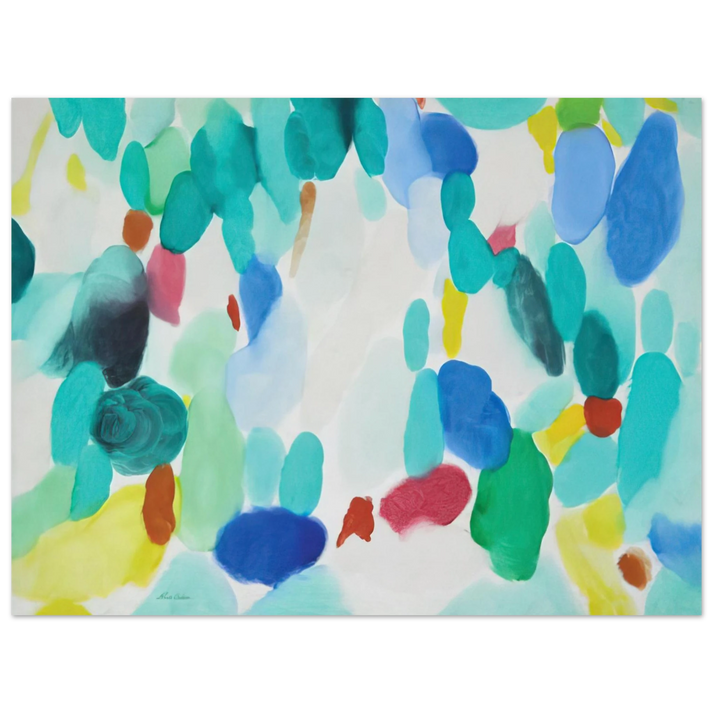
Alice Baber - Piper's Near 75x100 cm / 30x40inches Fine Art Poster
Alice Baber - Piper's Near 75x100 cm / 30x40inches Fine Art Poster
Couldn't load pickup availability
Elevate Your Space with Alice Baber’s 'Piper's Near'
Experience the ethereal beauty of Alice Baber’s Piper's Near, a masterpiece of Lyrical Abstraction and Color Field painting. This stunning fine art reproduction captures the artist's signature use of luminous, translucent 'orbs' that appear to float and pulsate with life. Baber, a central figure in the mid-century American art scene, was renowned for her unique ability to manipulate saturation and light, creating a sense of infinite depth through overlapping veils of color.
Museum-Quality Craftsmanship by RedKalion
At RedKalion, we believe that iconic art deserves the finest materials. This 75x100 cm (30x40 inches) archival print is rendered on our Master's Edition paper—a luxurious, 250 gsm (110 lb) natural white paper that provides a sophisticated matte finish. The off-white, uncoated texture ensures that Baber’s vibrant palette is represented with breathtaking accuracy, free from distracting glare.
Archival Longevity and Sustainable Excellence
Designed to endure for generations, this museum-quality print is acid-free (pH above 7), preventing the yellowing and degradation common in standard posters. Every piece is printed on FSC-certified paper, reflecting our commitment to both environmental stewardship and artistic excellence. Your artwork is printed and shipped on demand, ensuring it arrives in pristine condition, ready to transform your interior into a private gallery.
- Artist: Alice Baber
- Title: Piper's Near
- Dimensions: 75x100 cm / 30x40 inches
- Paper Type: 250 gsm Archival Matte
- Thickness: 0.29 mm (11.4 mils)

Discover Unlimited Art Possibilities
At RedKalion, you can find virtually any artwork from any artist, available in a wide range of sizes to perfectly match your space.
If you didn’t find what you’re looking for, contact us at support@redkalion.com . We will source any artwork and produce it in any size and format you need, including art prints, posters, canvas, framed pieces, framed canvas, and more.
For dedicated art enthusiasts, we also offer handcrafted replicas of any artwork, carefully painted by highly skilled artists using traditional techniques.
For custom requests, contact us at support@redkalion.com .
What is the quality of the paper used for the Alice Baber 'Piper's Near' print?
We use Master's Edition 250 gsm (110 lb) archival paper. It is a premium, heavy-weight, natural white paper with a matte finish that provides a luxurious feel and museum-grade durability.
Will the colors of 'Piper's Near' fade over time?
No. Our prints are acid-free with a pH above 7, which prevents yellowing and ensures the vibrant pigments remain true to the original artist's vision for decades.
Is the packaging and paper sustainable?
Yes, all prints are produced on FSC-certified paper, ensuring that the materials are sourced from responsibly managed forests that provide environmental, social, and economic benefits.
How long does shipping take for this fine art reproduction?
We print and ship on demand with no minimum orders. Typically, orders are processed and shipped within 2-4 business days, though delivery times vary by location.
Does the print come with a frame?
This listing is for the high-quality fine art poster only. This allows you the flexibility to choose a frame that perfectly matches your personal decor and aesthetic.
What artistic movement does Alice Baber's 'Piper's Near' represent?
Alice Baber was a prominent figure in Lyrical Abstraction and the Color Field movement. Her work focuses on the emotional and spiritual power of color and light.
How does Baber achieve the luminous effect seen in 'Piper's Near'?
Baber utilized a technique of thinning oil paints to create transparent washes. By layering these 'veils' of color, she achieved a glowing, multidimensional effect that we meticulously replicate.