RedKalion
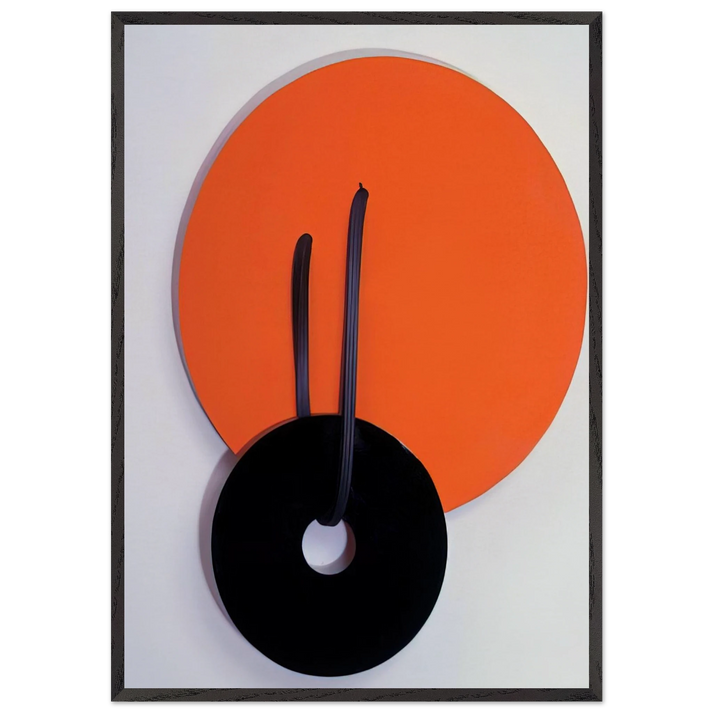
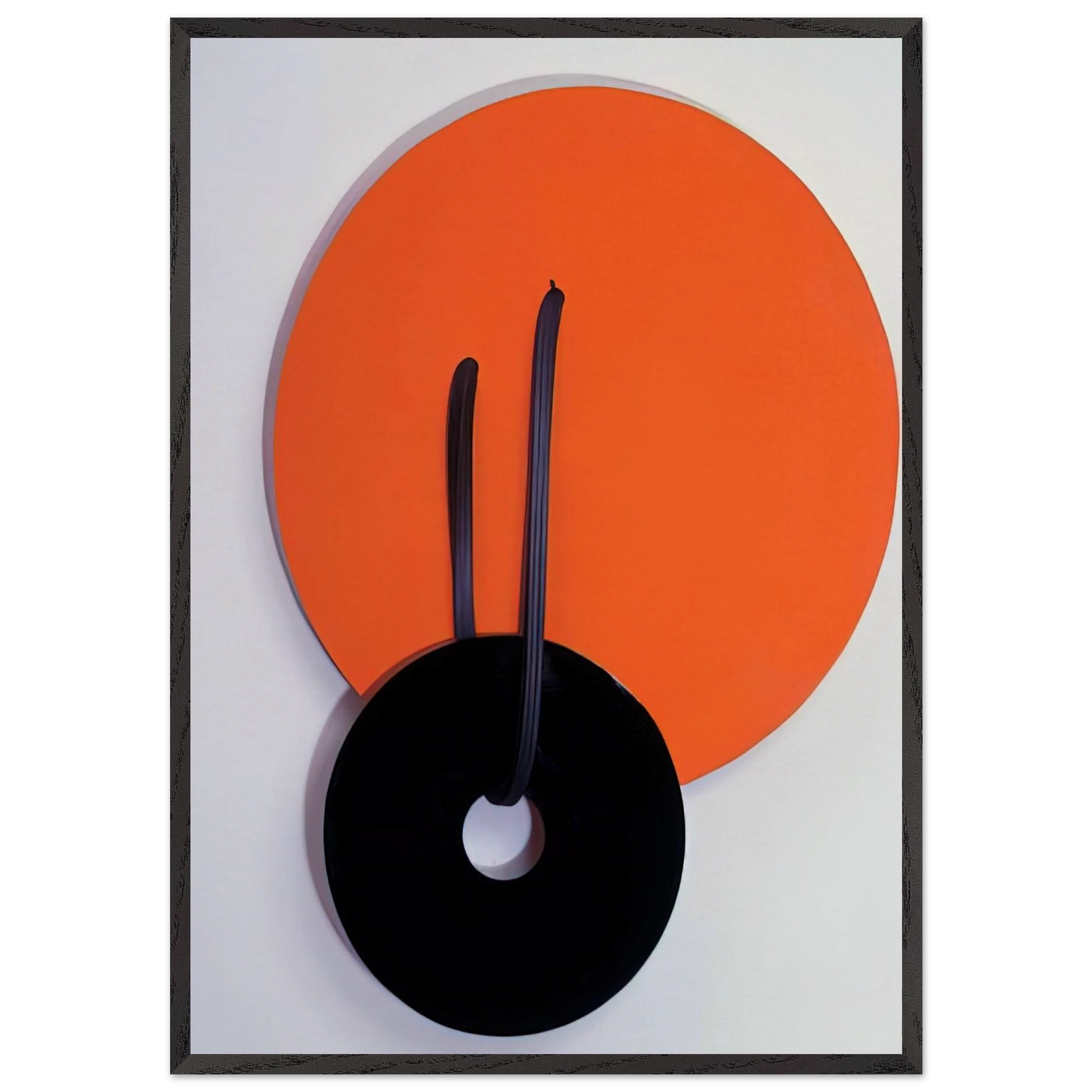
Amazonio - 1989 - Lygia Pape 70x100 cm / 28x40 inches Framed Art Print – Black Wooden Frame
Amazonio - 1989 - Lygia Pape 70x100 cm / 28x40 inches Framed Art Print – Black Wooden Frame
Couldn't load pickup availability
Amazonio (1989) by Lygia Pape: A Neo-Concrete Masterpiece
Experience the sensory depth of Brazilian modernism with Lygia Pape’s Amazonio (1989). As a founding member of the Neo-Concrete movement, Pape transitioned from the rigid structures of Concrete art into a more organic, phenomenological exploration of space. Amazonio serves as a testament to this evolution, blending geometric precision with a rhythmic, almost architectural complexity that echoes the vibrant spirit of the Brazilian landscape.
This museum-quality fine art print captures the intricate nuances of Pape’s vision. At RedKalion, we curate our reproductions with a commitment to historical fidelity and archival excellence, ensuring that each piece functions as a window into the artist's legacy. This 70x100 cm (28x40 inches) framed print is meticulously produced to meet the standards of the most discerning collectors.
The RedKalion Archival Standard
- Premium Paper: We utilize 250 gsm (110 lb) natural white, archival-grade paper with a matte, uncoated finish to prevent glare and highlight fine details.
- Robust Framing: Encased in a responsibly sourced 20mm (0.79") black oak and ash wood frame, providing a substantial profile that surpasses the industry-standard 14mm frames.
- Museum-Grade Protection: Each print is shielded by shatterproof plexiglass, ensuring the artwork remains protected while maintaining perfect clarity.
- Ready for Display: Your fine art reproduction arrives fully assembled with a professional hanging kit included, ready to elevate your interior immediately.
By choosing this Lygia Pape reproduction, you are investing in a piece of art history. Our use of FSC-certified materials reflects a commitment to sustainability without compromising the longevity or the aesthetic authority of the work. Transform your space with an archival masterpiece that endures for generations.
Discover Unlimited Art Possibilities
At RedKalion, you can find virtually any artwork from any artist, available in a wide range of sizes to perfectly match your space.
If you didn’t find what you’re looking for, contact us at support@redkalion.com . We will source any artwork and produce it in any size and format you need, including art prints, posters, canvas, framed pieces, framed canvas, and more.
For dedicated art enthusiasts, we also offer handcrafted replicas of any artwork, carefully painted by highly skilled artists using traditional techniques.
For custom requests, contact us at support@redkalion.com .
What are the paper specifications for this Lygia Pape print?
We use 250 gsm (110 lb) natural white, archival-grade paper. It features a matte, uncoated finish that eliminates reflections, perfect for museum-quality fine art reproductions.
How is the Amazonio 1989 print framed?
The print is housed in a 20mm (0.79") thick and wide frame made from responsibly sourced oak and ash wood, finished in a sleek black to complement modern interiors.
Is the artwork protected during shipping and display?
Yes, each print is protected by high-quality shatterproof plexiglass and packaged securely to ensure it arrives in pristine condition at your doorstep.
Is this print ready to hang upon arrival?
Absolutely. Your framed art print includes a hanging kit and arrives fully assembled, allowing you to display this Neo-Concrete masterpiece immediately.
What is the archival life of RedKalion prints?
Our prints are produced on archival museum-quality, FSC-certified paper, designed to resist yellowing and maintain color integrity for decades in standard indoor conditions.
What is the historical significance of Lygia Pape's Amazonio (1989)?
Amazonio represents Pape’s mature period, where she explored the intersection of geometric abstraction and the organic world, moving beyond traditional canvas constraints into sensory experiences.
Who was Lygia Pape in the context of Brazilian art?
Lygia Pape was a central figure in Brazil's Neo-Concrete movement, known for integrating art into life through sculpture, engraving, and cinema, challenging the boundaries of the viewer's perception.