RedKalion
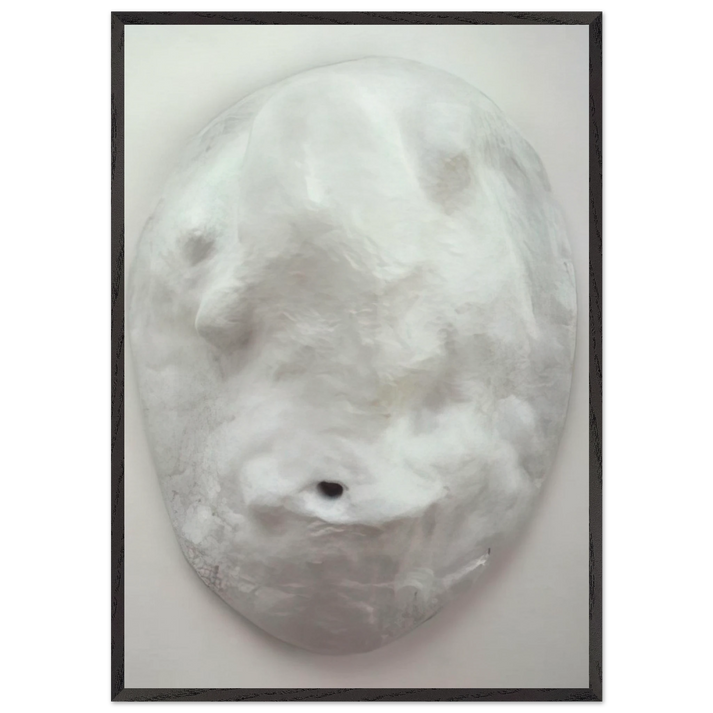
AMOEBA 1965 - Louise Bourgeois 70x100 cm / 28x40 inches Framed Art Print – Black Wooden Frame
AMOEBA 1965 - Louise Bourgeois 70x100 cm / 28x40 inches Framed Art Print – Black Wooden Frame
Couldn't load pickup availability
Elevate Your Space with Louise Bourgeois’s 'AMOEBA 1965'
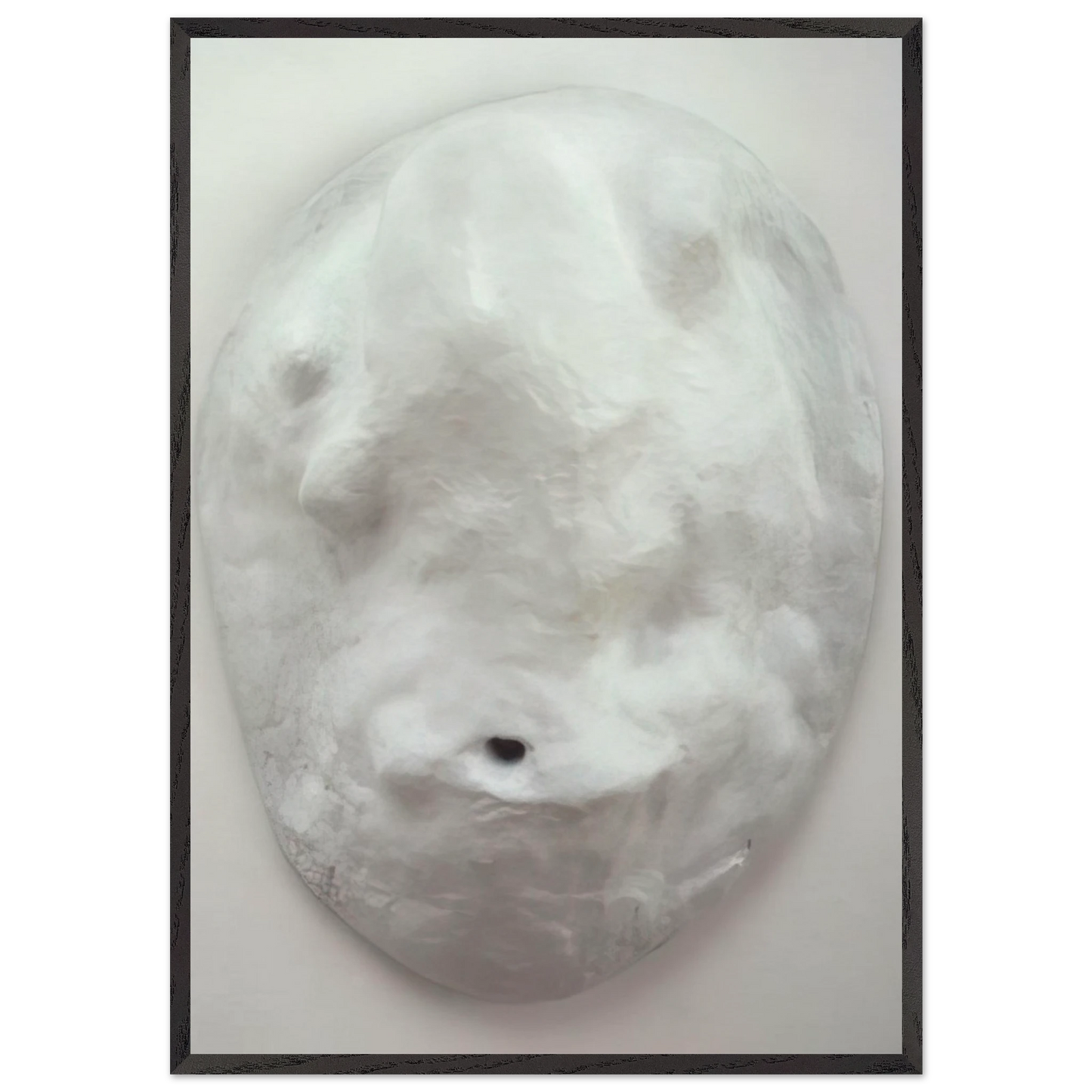
Immerse yourself in the profound psychological depth of Louise Bourgeois with this museum-quality reproduction of AMOEBA 1965. As a premier curation by RedKalion, this fine art print captures the raw, organic fluidity that defined Bourgeois’s mid-century exploration of biological forms and subconscious structures. The piece serves as a sophisticated focal point for any interior, bridging the gap between surrealism and abstract expressionism.
Masterful Artistry Meets Archival Precision
Louise Bourgeois was a visionary who utilized organic motifs—like the amoeba—to represent the fragility and resilience of the human psyche. At RedKalion, we honor this legacy by utilizing archival museum-quality paper. This 250 gsm (110 lb) natural white, matte paper ensures that every nuanced line and subtle gradient of the original 1965 composition is preserved with stunning clarity and depth, offering a tactile richness that only high-end fine art reproductions can provide.
Premium Framing and Sustainable Craftsmanship
Your AMOEBA 1965 print arrives expertly framed in a responsibly sourced black wooden frame, crafted from premium oak and ash. Measuring 20mm (0.79") in both thickness and width, this frame provides a bold, contemporary profile that is significantly more substantial than standard commercial alternatives. To ensure long-term preservation, the artwork is protected by shatterproof plexiglass, providing crystal-clear visibility while safeguarding the print from environmental stressors.
- Ready-to-Hang: Each piece includes a professional hanging kit for immediate installation.
- Sustainable Excellence: We utilize FSC-certified materials, ensuring your art choice supports global forest conservation.
- Archival Integrity: Uncoated, acid-free paper guarantees that the masterpiece endures for generations without yellowing.
Transform your gallery wall with a piece that is not merely decorative, but an enduring statement of art historical significance. This framed reproduction from RedKalion offers the perfect synthesis of 20th-century avant-garde vision and modern, archival craftsmanship.
Discover Unlimited Art Possibilities
At RedKalion, you can find virtually any artwork from any artist, available in a wide range of sizes to perfectly match your space.
If you didn’t find what you’re looking for, contact us at support@redkalion.com . We will source any artwork and produce it in any size and format you need, including art prints, posters, canvas, framed pieces, framed canvas, and more.
For dedicated art enthusiasts, we also offer handcrafted replicas of any artwork, carefully painted by highly skilled artists using traditional techniques.
For custom requests, contact us at support@redkalion.com .
What materials are used for the Louise Bourgeois print?
We use 250 gsm (110 lb) archival museum-quality paper. It is natural white, matte, and uncoated, ensuring long-lasting vibrancy and a premium feel for this fine art print.
Is the black wooden frame sustainably sourced?
Yes, our frames are made from FSC-certified oak and ash wood. The black finish provides a sophisticated, modern look while supporting responsible forestry practices.
How is the artwork protected during shipping and display?
Each print is shielded by shatterproof plexiglass and framed in a robust 20mm thick wood frame. We ship in secure packaging to ensure it arrives in pristine condition.
Does the framed print come ready to hang?
Absolutely. Your RedKalion framed art print includes a pre-installed hanging kit, allowing you to elevate your space immediately upon arrival.
What is the archival life of this museum-quality reproduction?
Designed to last generations, our use of acid-free, 250 gsm paper and archival-grade inks prevents yellowing and fading, maintaining the artwork’s integrity for decades.
What does the 'Amoeba' represent in Bourgeois’s 1965 work?
The amoeba represents Bourgeois’s fascination with cellular, organic forms and the 'soft landscape' of the human body, exploring themes of growth and biological vulnerability.
Why is the 1965 period significant for Louise Bourgeois?
By 1965, Bourgeois was transitioning into her 'Eccentric Abstraction' phase, moving away from rigid structures toward the fluid, psychological shapes seen in 'AMOEBA'.