RedKalion
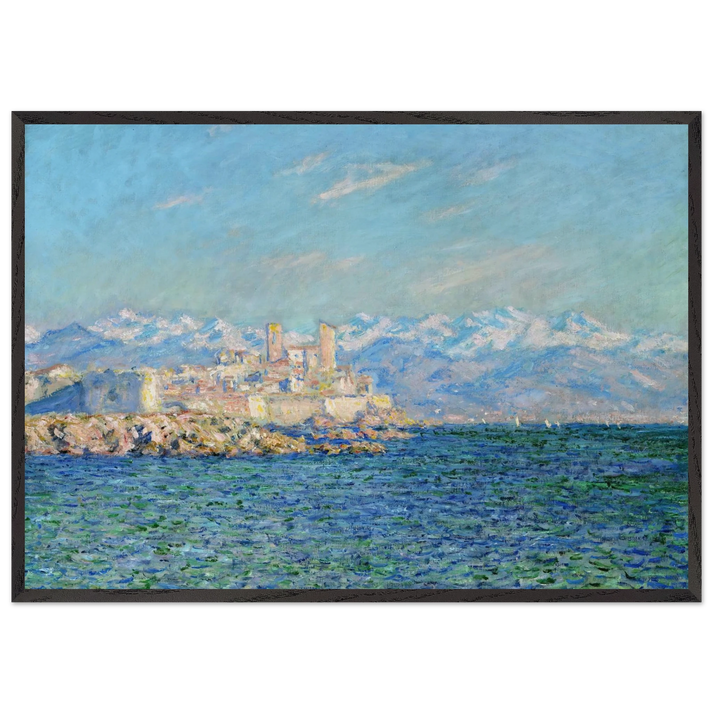
Antibes Afternoon Effect - claude monet 70x100 cm / 28x40 inches Framed Art Print – Black Wooden Frame
Antibes Afternoon Effect - claude monet 70x100 cm / 28x40 inches Framed Art Print – Black Wooden Frame
Couldn't load pickup availability
Experience the Radiance of the French Riviera with Claude Monet
Bring the luminous warmth of the Mediterranean into your home with Antibes Afternoon Effect, a masterpiece by the father of Impressionism, Claude Monet. Painted in 1888 during his transformative stay on the Côte d'Azur, this work captures the jagged coastline of Antibes bathed in the golden, ethereal light of a late afternoon. This museum-quality reproduction allows you to appreciate Monet's mastery of color, where the deep turquoises of the sea meet the soft pinks and violets of the distant Alps.
Exquisite Artistry Meets Archival Quality
At RedKalion, we bridge the gap between historical significance and modern craftsmanship. Our 70x100 cm (28x40 inches) framed art print is meticulously produced on 250 gsm (110 lb) museum-quality paper. This natural white, matte, and uncoated paper ensures an authentic feel, preserving the depth of Monet's brushstrokes without the distraction of glare.
To honor the integrity of the original work, each print is housed in a premium black wooden frame crafted from responsibly sourced oak and ash. Measuring 20mm (0.79") in width and thickness, this frame offers a more substantial and sophisticated presence than standard gallery alternatives, ensuring your investment remains a centerpiece for generations.
Sustainable Craftsmanship for the Modern Collector
- Archival Longevity: We use acid-free, FSC-certified materials to prevent yellowing and degradation over time.
- Superior Protection: Each piece is shielded by shatrerproof plexiglass, providing crystal-clear visibility while ensuring safety during shipping and display.
- Ready to Exhibit: Your Monet arrives with a professional hanging kit included, making it ready to hang the moment it reaches your door.
Elevate your interior with a piece that transcends mere decoration. This Claude Monet reproduction is a testament to the enduring beauty of light and the meticulous standards of RedKalion curation. Own a window into the Mediterranean soul that will endure as a legacy in your collection.
Discover Unlimited Art Possibilities
At RedKalion, you can find virtually any artwork from any artist, available in a wide range of sizes to perfectly match your space.
If you didn’t find what you’re looking for, contact us at support@redkalion.com . We will source any artwork and produce it in any size and format you need, including art prints, posters, canvas, framed pieces, framed canvas, and more.
For dedicated art enthusiasts, we also offer handcrafted replicas of any artwork, carefully painted by highly skilled artists using traditional techniques.
For custom requests, contact us at support@redkalion.com .
Is the Antibes Afternoon Effect print ready to hang?
Yes. Every RedKalion framed art print comes with a pre-installed hanging kit. The 70x100 cm black wooden frame is designed for immediate display, ensuring a professional gallery-ready look the moment it arrives at your home or office.
What are the specific details of the paper quality?
We use 250 gsm (110 lb) archival-grade paper. It is natural white, matte, and uncoated, measuring 0.29 mm in thickness. This heavy-weight paper is ideal for fine art, providing a tactile, museum-quality finish that resists aging.
What makes the RedKalion frame superior?
Our frames are crafted from responsibly sourced oak and ash, measuring 20mm thick and wide. This is significantly sturdier than the standard 14mm frames used by most retailers, offering enhanced durability and a premium aesthetic.
How is the artwork protected during shipping?
Each framed print is protected by shatterproof, transparent plexiglass. This provides the clarity of glass without the risk of breakage, ensuring your Claude Monet masterpiece arrives in pristine condition regardless of its destination.
Is the materials used for this print sustainable?
Absolutely. We use FSC-certified paper and responsibly sourced wood for our frames. RedKalion is committed to providing premium art while maintaining ecological responsibility and supporting sustainable forestry practices globally.
When did Claude Monet paint Antibes Afternoon Effect?
Monet painted this series during his four-month stay in Antibes in 1888. He was captivated by the unique Mediterranean light, which he found more challenging and vibrant than the softer light of Northern France.
What artistic movement does this piece belong to?
Antibes Afternoon Effect is a hallmark of French Impressionism. It showcases Monet’s focus on atmospheric perspective and the ephemeral quality of light, using broken brushstrokes to capture the shifting colors of the landscape.