
RedKalion
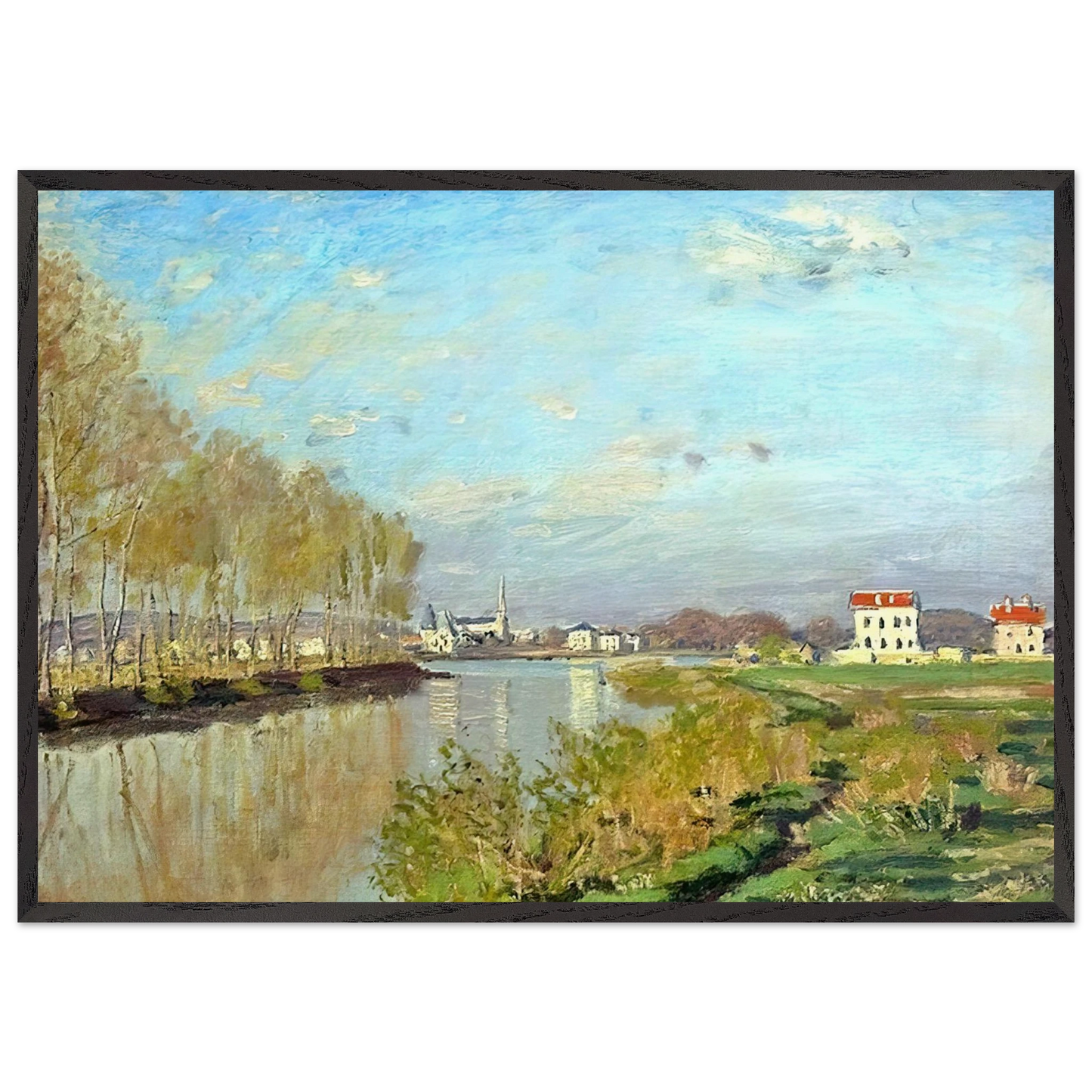
Argenteuil The Seine - claude monet 70x100 cm / 28x40 inches Framed Art Print – Black Wooden Frame
Argenteuil The Seine - claude monet 70x100 cm / 28x40 inches Framed Art Print – Black Wooden Frame
Couldn't load pickup availability
Bring the Luminous Beauty of Argenteuil into Your Space
Claude Monet’s Argenteuil, The Seine is more than a landscape; it is a masterclass in the Impressionist philosophy of capturing a fleeting moment. Painted during his most prolific period in the 1870s, this piece depicts the shimmering reflections and atmospheric depth of the Seine river. At RedKalion, we offer this museum-quality reproduction as a definitive archival piece for the discerning collector.
Museum-Grade Materials and Archival Quality
Our commitment to excellence ensures that this Claude Monet fine art print is produced on premium 250 gsm (110 lb) natural white, matte-finished paper. This uncoated, archival-grade paper provides a tactile depth and prevents glare, allowing the subtle nuances of Monet’s brushwork to remain visible from any angle. The 0.29 mm thickness ensures structural integrity, reflecting the standards found in the world's leading galleries.
Sophisticated Framing and Sustainable Design
To complement this Impressionist masterpiece, each print is housed in a 20mm (0.79") thick frame crafted from responsibly sourced black oak and ash. This frame is wider and sturdier than standard 14mm alternatives, offering a commanding presence on your wall. Protected by shatterproof plexiglass, your artwork remains safe from environmental stressors while maintaining crystal-clear visibility. Every piece arrives ready-to-hang with an included hanging kit, allowing you to elevate your interior instantly.
The Significance of Argenteuil
During his time in Argenteuil, Monet revolutionized Western art by taking his easel outdoors (en plein air). He focused on the interplay between light and water, using broken brushstrokes to simulate movement. By choosing a RedKalion reproduction, you are investing in a piece that respects this historical legacy through FSC-certified materials and precision printing techniques that honor the artist's original vision.
Discover Unlimited Art Possibilities
At RedKalion, you can find virtually any artwork from any artist, available in a wide range of sizes to perfectly match your space.
If you didn’t find what you’re looking for, contact us at support@redkalion.com . We will source any artwork and produce it in any size and format you need, including art prints, posters, canvas, framed pieces, framed canvas, and more.
For dedicated art enthusiasts, we also offer handcrafted replicas of any artwork, carefully painted by highly skilled artists using traditional techniques.
For custom requests, contact us at support@redkalion.com .
What are the specifications of the paper used for this Monet print?
We use 250 gsm (110 lb) archival museum-quality paper. It is natural white, uncoated, and matte-finished, ensuring the colors of Monet’s Seine remain vibrant without distracting reflections or glare.
What makes the RedKalion frame superior to standard options?
Our frames are 20mm thick and made from genuine, responsibly sourced oak and ash. This provides a more robust and premium aesthetic compared to the thinner 14mm frames commonly used in mass-market prints.
How does this archival print resist aging and fading?
The combination of acid-free, FSC-certified paper and high-pigment printing ensures long-term archival longevity. The shatterproof plexiglass further protects the artwork from dust and physical damage over time.
Is the artwork protected during shipping and after hanging?
Yes, each framed print is packaged securely for transit. Once hung, the shatterproof plexiglass provides a safe, durable alternative to glass, ensuring the artwork remains pristine in any home environment.
How is the framed art print prepared for delivery?
Your 70x100 cm Claude Monet print arrives fully assembled in its black wooden frame. It includes a ready-to-hang kit, so no additional hardware or professional mounting is required upon arrival.
Why is the Seine at Argenteuil significant in Monet's career?
Argenteuil was where Monet perfected his Impressionist style between 1871 and 1878. The river scenes allowed him to explore the fluid reflections and light effects that became his artistic signature.
What artistic technique defines this Impressionist piece?
This work utilizes 'broken color' and rapid brushstrokes to capture the vibrating quality of light on water, a technique that shifted art away from realism toward emotional and sensory perception.