RedKalion
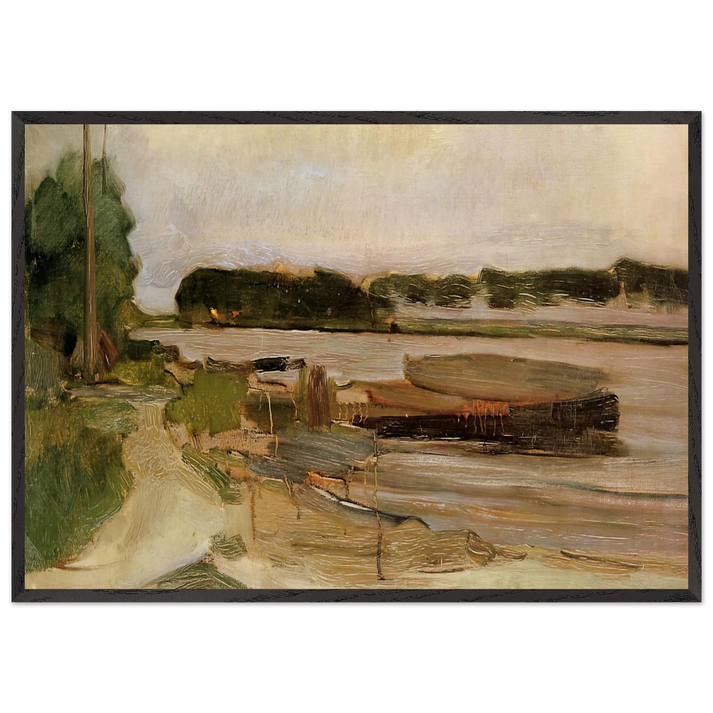
At the Amstel Sun - Piet Mondrian 70x100 cm / 28x40 inches Framed Art Print – Black Wooden Frame
At the Amstel Sun - Piet Mondrian 70x100 cm / 28x40 inches Framed Art Print – Black Wooden Frame
Couldn't load pickup availability
Experience the Radiance of Piet Mondrian’s Luminist Masterpiece
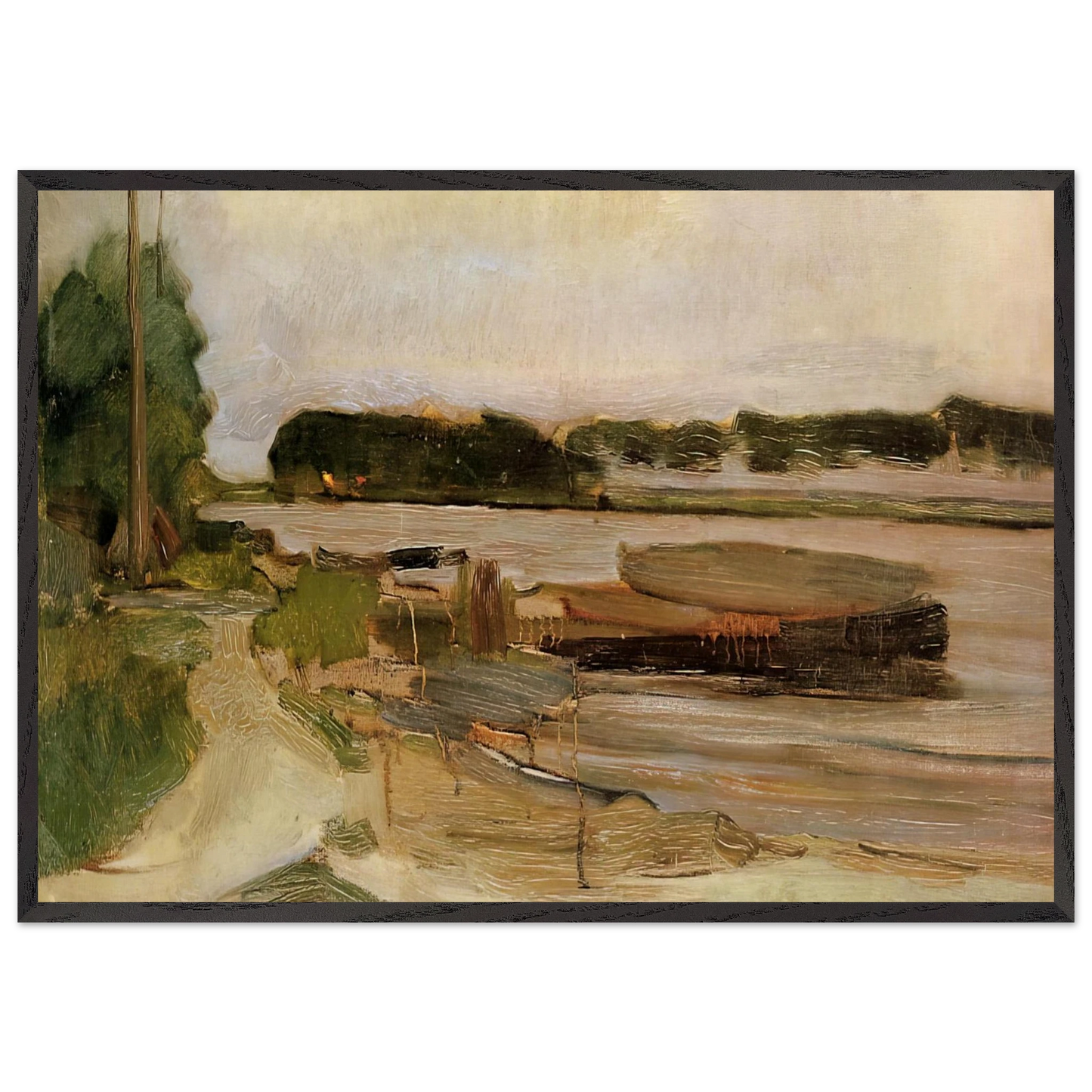
Before his transition into the grid-based abstraction that defined modern art, Piet Mondrian explored the vibrant boundaries of light and color. At the Amstel: Sun is a profound testament to this era, capturing the atmospheric beauty of the Dutch landscape with a proto-expressionist intensity. This fine art print allows you to witness the artist’s early mastery of Luminism, where the Amstel river becomes a mirror for the setting sun, vibrating with strokes of gold, red, and deep blue.
Museum-Quality Reproduction for Discerning Collectors
At RedKalion, we believe a masterpiece deserves a presentation that matches its historical gravity. Our reproduction of At the Amstel: Sun is rendered on 250 gsm (110 lb) archival museum-quality paper. This heavy-weight, matte-finished paper is uncoated and natural white, ensuring that Mondrian’s nuanced brushwork is preserved without distracting glare. With a thickness of 0.29 mm (11.4 mils), the paper provides the tactile substance and durability expected of a premium gallery piece.
Sustainably Crafted Professional Framing
Each 70x100 cm (28x40 inches) framed art print is housed in a robust, ethically sourced black wooden frame. Crafted from solid oak or ash, the frame measures 20mm (0.79") in both width and thickness—providing a significantly more substantial profile than standard 14mm frames. To protect the integrity of the artwork, we utilize shatterproof plexiglass, ensuring the print remains pristine for generations. Every order arrives ready-to-hang, including a professional-grade hanging kit for effortless installation.
The RedKalion Archival Standard
RedKalion is the definitive curator for those who seek to elevate their space with an archival masterpiece that endures. By utilizing FSC-certified materials and museum-grade printing techniques, we provide more than just a reproduction; we offer a window into art history. This Mondrian framed print bridges the gap between the Dutch landscape tradition and the dawn of Modernism, making it a sophisticated addition to any curated interior.
Discover Unlimited Art Possibilities
At RedKalion, you can find virtually any artwork from any artist, available in a wide range of sizes to perfectly match your space.
If you didn’t find what you’re looking for, contact us at support@redkalion.com . We will source any artwork and produce it in any size and format you need, including art prints, posters, canvas, framed pieces, framed canvas, and more.
For dedicated art enthusiasts, we also offer handcrafted replicas of any artwork, carefully painted by highly skilled artists using traditional techniques.
For custom requests, contact us at support@redkalion.com .
What makes the paper quality museum-grade?
We use 250 gsm (110 lb) natural white, uncoated paper. This archival-grade material prevents yellowing over time and ensures the highest color accuracy for Piet Mondrian’s complex palette.
What are the specifications of the black wooden frame?
The frame is made from responsibly sourced oak and ash. It features a premium 20mm (0.79") thickness and width, offering a bold, gallery-style aesthetic compared to standard frames.
Is the artwork protected against damage?
Yes, each print is shielded by transparent, shatterproof plexiglass. This provides the clarity of traditional glass while offering superior protection against breakage and environmental factors.
Is the print ready to display upon arrival?
Absolutely. Your Mondrian print arrives fully assembled in its frame with a high-quality hanging kit included, allowing you to mount it on your wall immediately.
How does RedKalion ensure environmental sustainability?
We use FSC-certified wood for our frames and equivalent sustainable materials for our paper, ensuring your fine art print supports responsible forestry practices.
What is the historical significance of 'At the Amstel: Sun'?
This piece represents Mondrian’s Luminist period (circa 1908). It showcases his move away from realism toward abstraction by focusing on the spiritual and atmospheric qualities of light over physical forms.
Why did Mondrian choose the Amstel River as a subject?
The Amstel was a central motif in Mondrian’s early career, allowing him to experiment with reflections and the horizontal lines that would eventually evolve into his famous Neoplasticist grids.