RedKalion
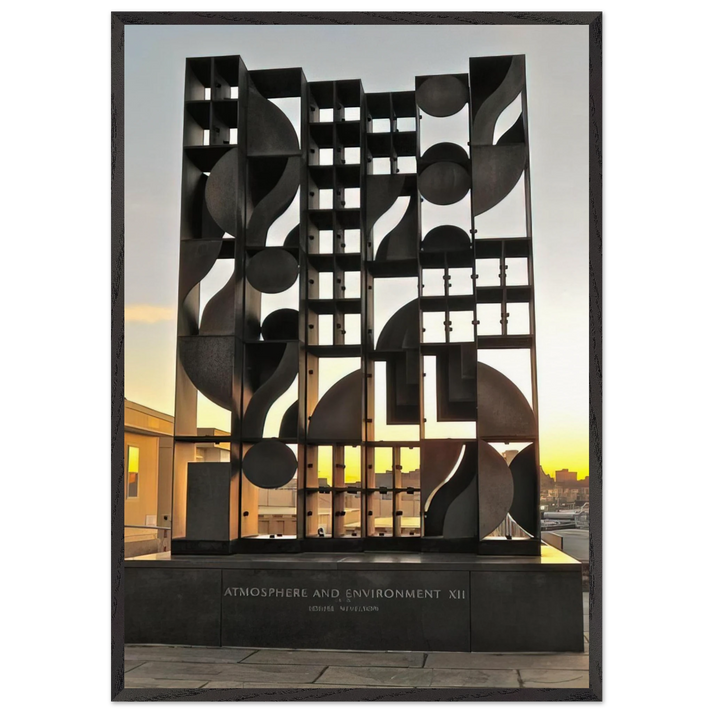
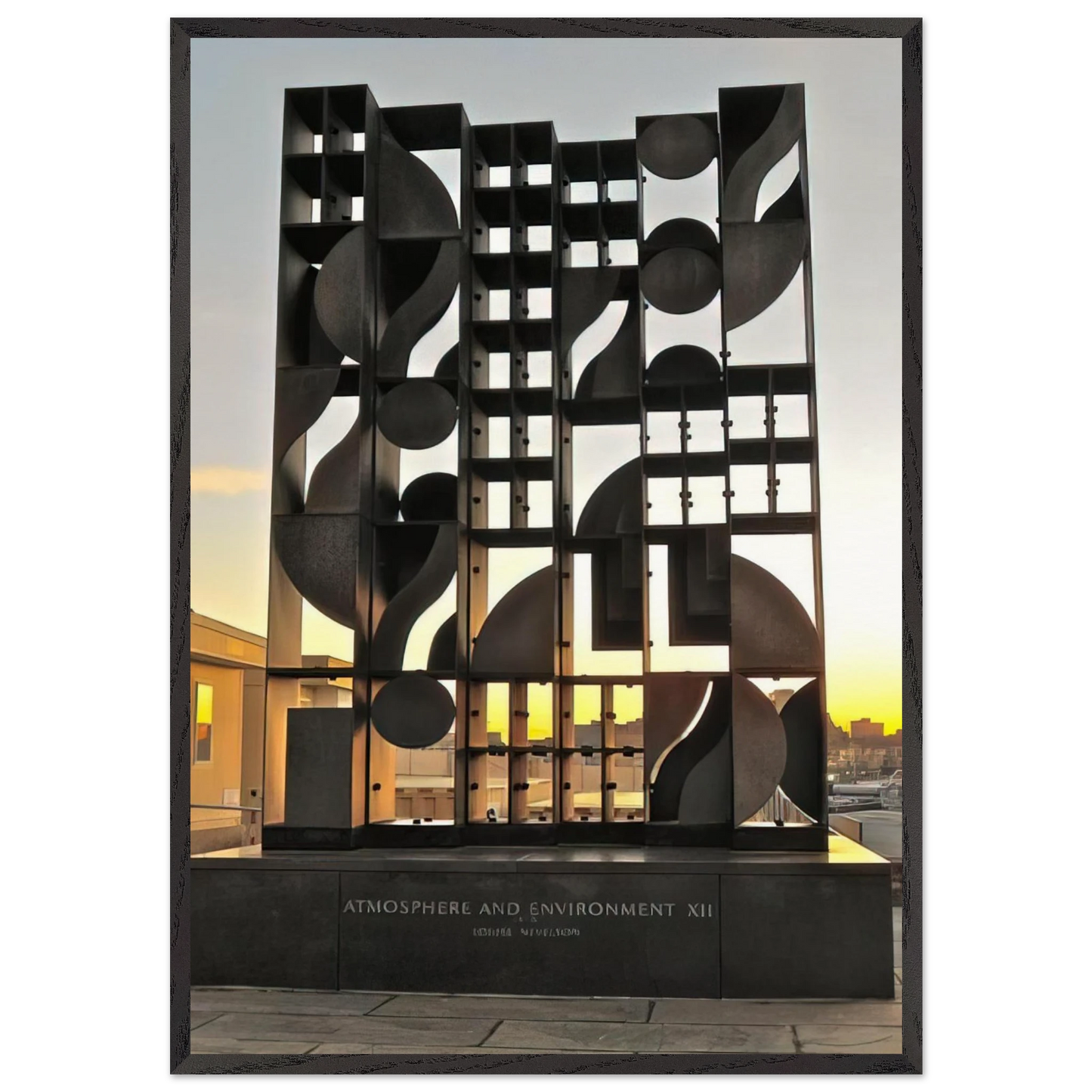
ATMOSHERE AND ENVIRONMENT XII 1970 - Louise Nevelson 70x100 cm / 28x40 inches Framed Art Print – Black Wooden Frame
ATMOSHERE AND ENVIRONMENT XII 1970 - Louise Nevelson 70x100 cm / 28x40 inches Framed Art Print – Black Wooden Frame
Couldn't load pickup availability
Elevate Your Space with Louise Nevelson’s Atmosphere and Environment XII (1970)
Experience the architectural mastery of Louise Nevelson, one of the 20th century’s most significant sculptors, through this exquisite museum-quality reproduction of Atmosphere and Environment XII (1970). This fine art print captures the rhythmic interplay of void and solid, a hallmark of Nevelson's exploration into industrial materials and the spatial relationship between light and shadow. Originally conceived during her transition into large-scale steel and aluminum structures, this piece reflects a sophisticated balance of geometric precision and abstract depth.
Authentic Curator Quality and Craftsmanship
At RedKalion, we are dedicated to providing archival masterpieces that endure. This 70x100 cm (28x40 inches) framed art print is meticulously produced on 250 gsm (110 lb) natural white museum-quality paper. The uncoated, matte finish eliminates glare and ensures that the deep blacks and intricate linework of Nevelson’s vision are rendered with stunning clarity. To ensure the longevity of your investment, we utilize archival materials that resist yellowing over time.
The RedKalion Premium Frame
Your artwork arrives in a high-caliber black wooden frame, expertly crafted from responsibly sourced oak and ash. Unlike standard retail frames, our frames measure 20mm (0.79") in thickness and width, providing a bold, gallery-level profile that complements the modern aesthetic of Nevelson's work. Each piece is protected by shatterproof plexiglass, ensuring both safety and crystal-clear visibility.
- Sustainable Materials: Printed on FSC-certified paper or equivalent.
- Ready to Hang: Includes a professional hanging kit for immediate installation.
- Museum Standard: 0.29 mm (11.4 mils) paper thickness for a substantial, premium feel.
- Enduring Elegance: A perfect centerpiece for mid-century modern or contemporary interiors.
Invest in an archival-grade reproduction that honors the legacy of an American icon. This Louise Nevelson framed print is more than a decoration; it is a statement of artistic authority and historical appreciation.
Discover Unlimited Art Possibilities
At RedKalion, you can find virtually any artwork from any artist, available in a wide range of sizes to perfectly match your space.
If you didn’t find what you’re looking for, contact us at support@redkalion.com . We will source any artwork and produce it in any size and format you need, including art prints, posters, canvas, framed pieces, framed canvas, and more.
For dedicated art enthusiasts, we also offer handcrafted replicas of any artwork, carefully painted by highly skilled artists using traditional techniques.
For custom requests, contact us at support@redkalion.com .
What makes the paper quality museum-grade?
We use 250 gsm (110 lb) natural white, uncoated paper. Its 0.29 mm thickness and archival properties ensure it remains pristine without yellowing, meeting the high standards required for fine art collections.
Is the frame sustainably sourced?
Yes. Our frames are crafted from FSC-certified oak and ash wood, ensuring that your art print is as environmentally responsible as it is aesthetically beautiful.
Does the artwork come ready to hang?
Absolutely. Every framed print includes a specialized hanging kit, allowing you to mount your 70x100 cm Louise Nevelson piece immediately upon arrival.
How is the print protected during shipping?
We use shatterproof plexiglass to protect the print face and secure packaging to ensure your museum-quality reproduction arrives in perfect condition.
What are the exact dimensions of the frame?
The black wooden frame is 20mm (0.79") wide and thick, offering a more robust and premium presence than the standard 14mm frames found elsewhere.
What is the historical significance of Atmosphere and Environment XII?
Created in 1970, this series represents Nevelson's mastery of the 'assemblage,' focusing on the relationship between geometric forms and the 'negative space' surrounding them.
Why did Louise Nevelson choose monochromatic themes?
Nevelson used monochromatic palettes, often black, to unify disparate shapes and focus the viewer's attention on the architectural rhythm and the play of shadows.