RedKalion
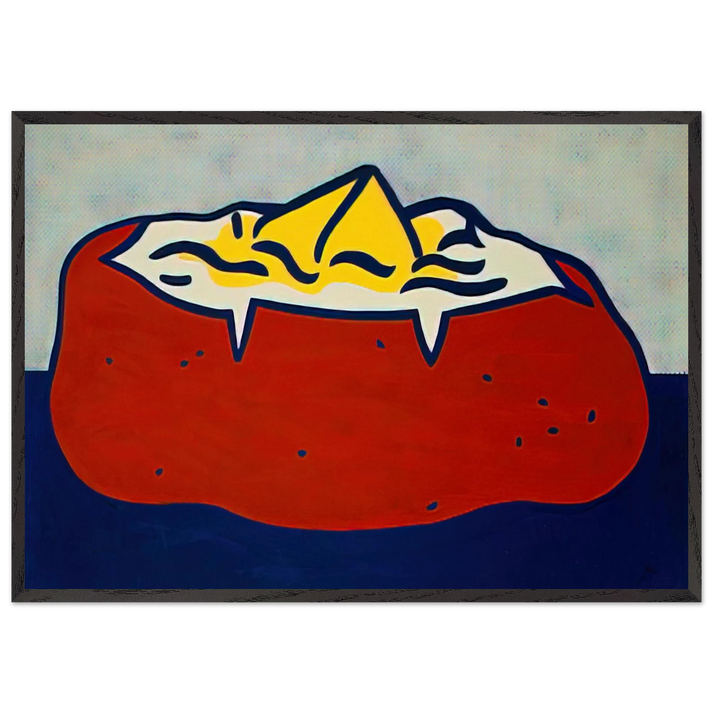
BAKED POTATO 1962 - Roy Lichtenstein 70x100 cm / 28x40 inches Framed Art Print – Black Wooden Frame
BAKED POTATO 1962 - Roy Lichtenstein 70x100 cm / 28x40 inches Framed Art Print – Black Wooden Frame
Couldn't load pickup availability
Elevate Your Space with Roy Lichtenstein’s Iconic 'Baked Potato' (1962)
In 1962, Roy Lichtenstein redefined the boundaries of fine art by elevating the mundane to the monumental. His work, Baked Potato, is a masterclass in early Pop Art, utilizing the aesthetic of commercial advertising to critique modern consumerism. This premium framed art print brings the bold, graphic energy of the 1960s avant-garde into your home or office with museum-quality precision.
Exclusively curated by RedKalion, this reproduction is printed on archival-grade, 250 gsm (110 lb) natural white paper. The matte finish ensures that Lichtenstein’s signature Ben-Day dots and high-contrast lines are rendered without distracting glare, preserving the industrial soul of the original piece. Each print is encased in a sophisticated, responsibly sourced black wooden frame—crafted from solid oak or ash—measuring a robust 20mm (0.79") for a commanding gallery presence.
The Artistry of the Everyday
Lichtenstein’s Baked Potato is more than just a culinary subject; it is a profound exploration of texture and form. By meticulously recreating the mechanical printing process of the era, Lichtenstein forced the viewer to see the beauty in mass-produced imagery. This piece serves as a timeless conversation starter, blending mid-century nostalgia with contemporary sophistication.
- Museum-Quality Paper: Natural white, uncoated 250 gsm paper for lasting archival durability.
- Premium Framing: Hand-crafted 20mm black wooden frame, significantly sturdier than standard 14mm alternatives.
- Shatterproof Protection: Crystal-clear plexiglass protects your investment from UV and physical damage.
- Sustainable Excellence: All materials are FSC-certified, reflecting RedKalion’s commitment to ethical craftsmanship.

Discover Unlimited Art Possibilities
At RedKalion, you can find virtually any artwork from any artist, available in a wide range of sizes to perfectly match your space.
If you didn’t find what you’re looking for, contact us at support@redkalion.com . We will source any artwork and produce it in any size and format you need, including art prints, posters, canvas, framed pieces, framed canvas, and more.
For dedicated art enthusiasts, we also offer handcrafted replicas of any artwork, carefully painted by highly skilled artists using traditional techniques.
For custom requests, contact us at support@redkalion.com .
What is the paper quality of this Lichtenstein print?
We use 250 gsm (110 lb) museum-quality, natural white paper. It is archival and acid-free, ensuring the vibrant colors and sharp lines of 'Baked Potato' endure without yellowing over time.
What type of frame is used for this artwork?
Your print is housed in a premium 20mm thick black frame made from responsibly sourced oak and ash wood. This is wider than standard frames, providing a luxurious, gallery-standard aesthetic.
Is the glass safe for shipping and display?
We use high-quality shatterproof plexiglass. It offers superior protection and clarity compared to traditional glass while being much safer for international shipping and home environments.
How do I hang the framed art print?
Each RedKalion print arrives ready-to-hang. We include a dedicated hanging kit, allowing you to mount your 70x100 cm Lichtenstein masterpiece directly onto your wall with ease.
Are the materials used environmentally friendly?
Yes. RedKalion is committed to sustainability. Our frames and paper are FSC-certified or equivalent, ensuring your art collection supports responsible forest management.
What are Ben-Day dots in Lichtenstein's work?
Ben-Day dots were a 19th-century printing technique Lichtenstein adopted to critique commercialism. They create texture and tone through the spacing of small colored circles, a hallmark of his Pop Art style.
Why did Lichtenstein choose a baked potato as a subject?
By choosing a common food item, Lichtenstein challenged the traditional hierarchy of 'high art.' He transformed a low-culture commercial image into a formal study of shape, shadow, and line.