RedKalion
Basket of Potatoes - Vincent van Gogh 70x100 cm / 28x40 inches Framed Art Print – Black Wooden Frame
Basket of Potatoes - Vincent van Gogh 70x100 cm / 28x40 inches Framed Art Print – Black Wooden Frame
Couldn't load pickup availability
Basket of Potatoes by Vincent van Gogh: A Testament to Humble Beauty
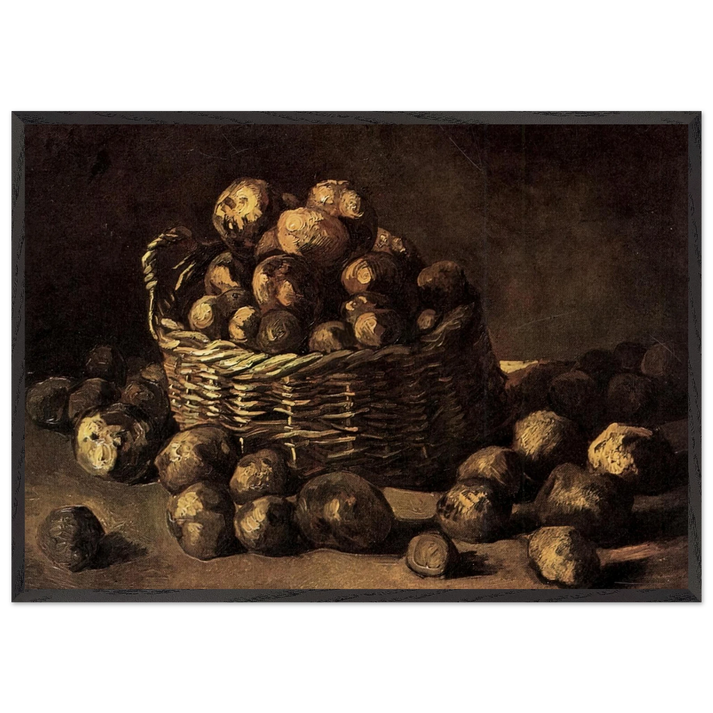
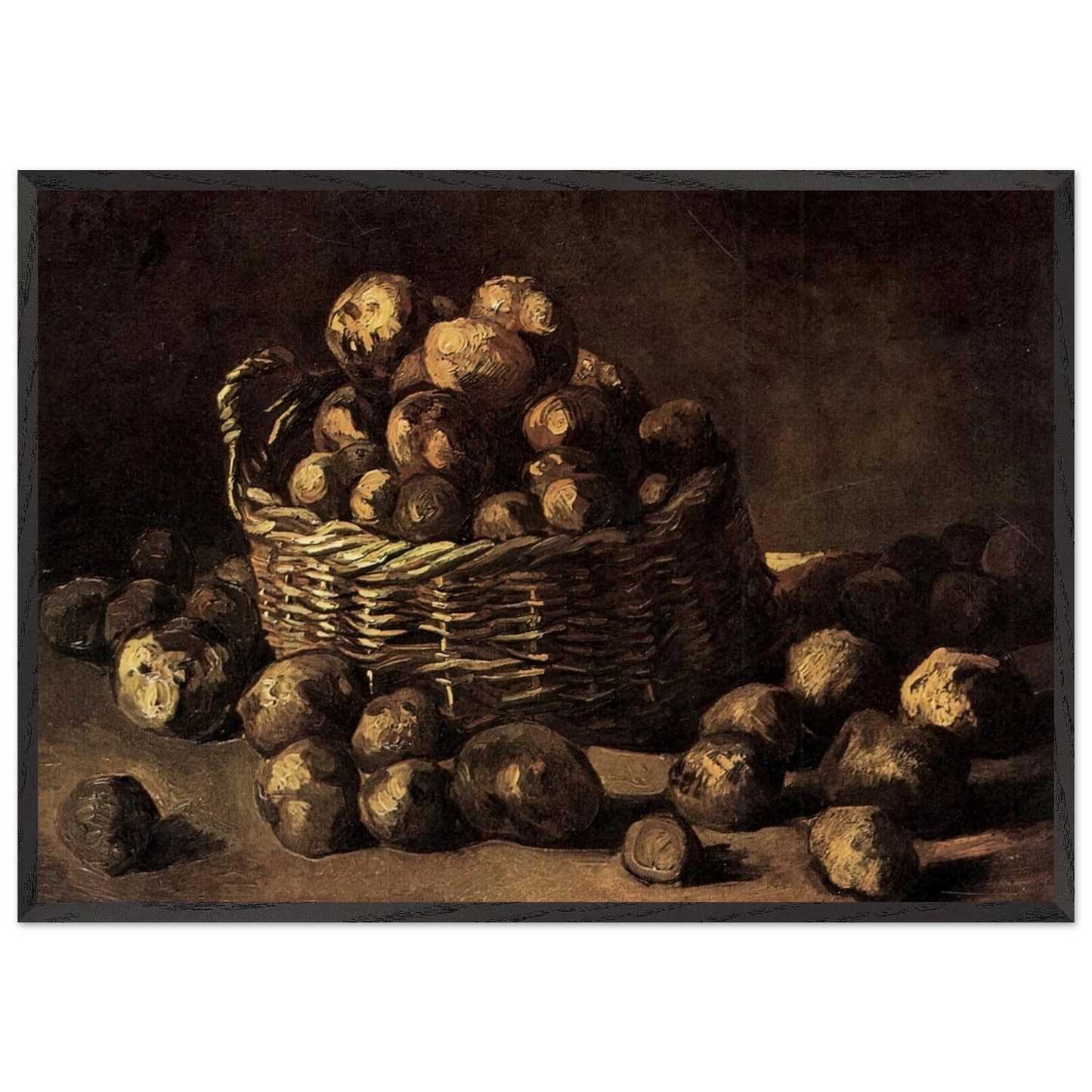
Experience the raw, grounding intensity of Vincent van Gogh’s 1885 masterpiece, Basket of Potatoes. Painted during his formative years in Nuenen, this work serves as a profound precursor to his famous The Potato Eaters. Van Gogh’s fascination with the tactile reality of peasant life is captured here through a somber, earthy palette and a masterful play of light and shadow, characteristic of his Dutch period.
At RedKalion, we elevate this historical piece into a museum-quality framed art print designed for the modern collector. To honor Van Gogh’s legacy, we use 250 gsm (110 lb) archival museum-quality paper. This natural white, uncoated matte finish ensures the deep umbers and ochres of the original work are reproduced with stunning fidelity, free from glare and intended to endure for generations.
Each piece is expertly mounted in a responsibly sourced black frame made from solid oak and ash wood. Unlike standard frames, ours feature a 20mm (0.79") thickness and width, providing a sophisticated, substantial presence on your wall. Protected by high-clarity shatterproof plexiglass, your archival masterpiece arrives ready-to-hang with all necessary hardware included, allowing you to transform your space with the timeless authority of fine art.
Discover Unlimited Art Possibilities
At RedKalion, you can find virtually any artwork from any artist, available in a wide range of sizes to perfectly match your space.
If you didn’t find what you’re looking for, contact us at support@redkalion.com . We will source any artwork and produce it in any size and format you need, including art prints, posters, canvas, framed pieces, framed canvas, and more.
For dedicated art enthusiasts, we also offer handcrafted replicas of any artwork, carefully painted by highly skilled artists using traditional techniques.
For custom requests, contact us at support@redkalion.com .
What are the technical specifications of the print paper?
We use 250 gsm (110 lb) natural white, archival-grade paper. It is uncoated and matte, ensuring a museum-quality finish that prevents yellowing over time.
What materials are used for the frame and glazing?
The frame is crafted from 20mm thick, FSC-certified black oak and ash wood. We use shatterproof plexiglass to provide superior protection and clarity for the artwork.
Does the framed print arrive ready to hang?
Yes, every RedKalion framed art print comes with a pre-installed hanging kit, allowing you to display your new Vincent van Gogh masterpiece immediately upon arrival.
How does RedKalion ensure the sustainability of its products?
We prioritize the environment by using responsibly sourced, FSC-certified wood and paper materials, ensuring our fine art reproductions support global forest conservation efforts.
What is the archival longevity of this reproduction?
Our use of acid-free 250 gsm paper and archival-grade inks ensures that the Basket of Potatoes print maintains its color integrity and physical condition for decades.
When did Vincent van Gogh paint the original Basket of Potatoes?
Van Gogh painted this still life in September 1885 in Nuenen, during a period focused on documenting the rugged simplicity of peasant life and labor.
What does the Basket of Potatoes represent in Van Gogh's career?
It represents Van Gogh's transition into realism and his deep empathy for the working class, using thick brushwork to emphasize the physical weight and texture of common objects.