RedKalion
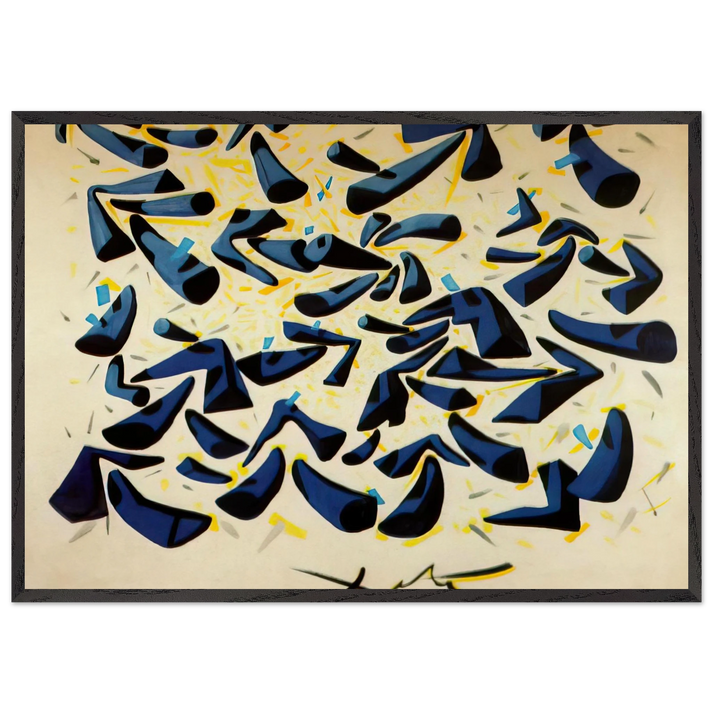
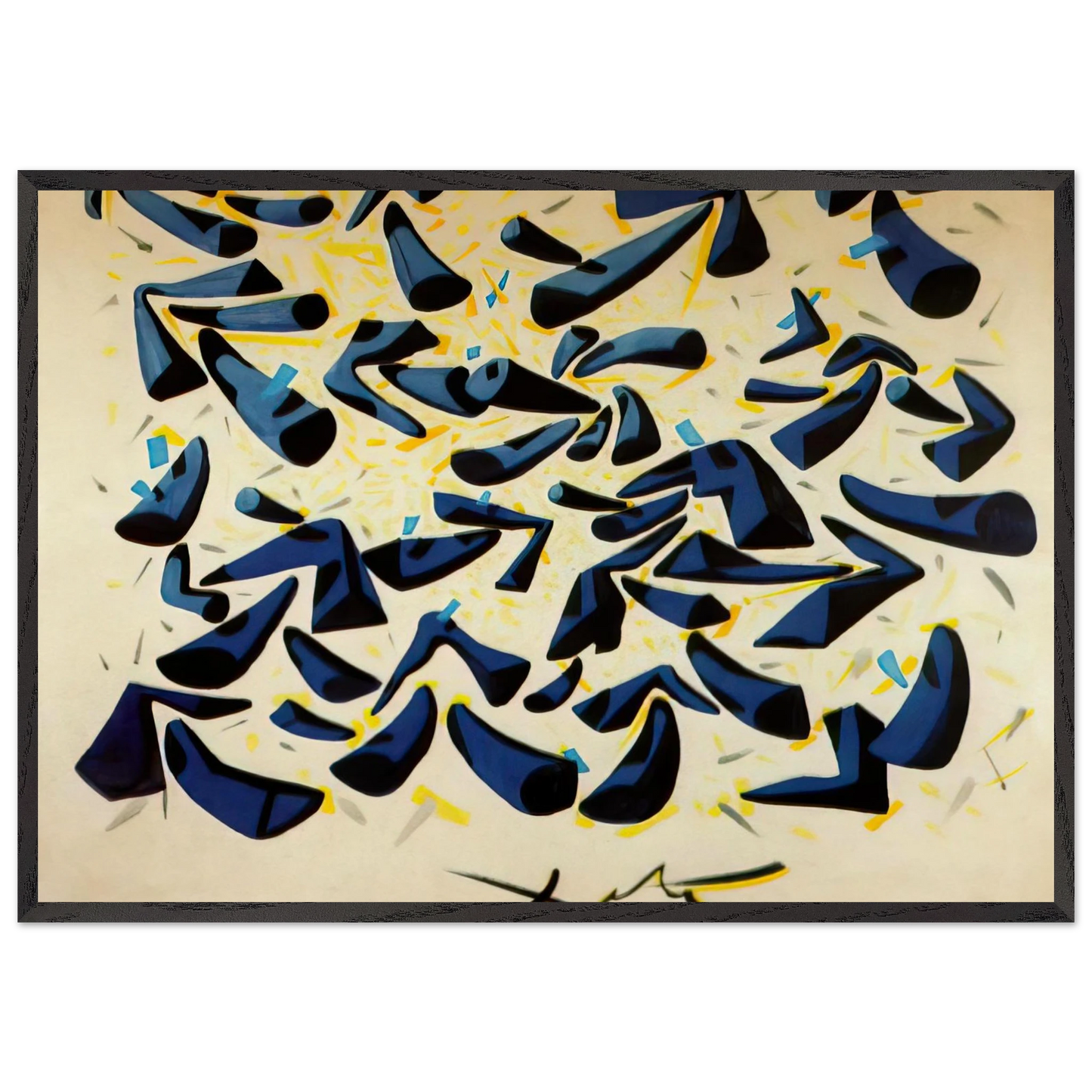
BLUE HORNS DESIGN FOR A SCARF - Salvador Dali 70x100 cm / 28x40 inches Framed Art Print – Black Wooden Frame
BLUE HORNS DESIGN FOR A SCARF - Salvador Dali 70x100 cm / 28x40 inches Framed Art Print – Black Wooden Frame
Couldn't load pickup availability
Elevate Your Space with Salvador Dalí’s Surrealist Vision
Experience the intersection of haute couture and avant-garde art with this exquisite Blue Horns Design for a Scarf by Salvador Dalí. Originally conceptualized during Dalí’s prolific mid-century period, this piece showcases the artist's obsession with logarithmic spirals and the rhinoceros horn—a form he considered to be the most perfect in nature. This museum-quality reproduction brings a touch of Surrealist history into your home, blending vibrant hues with meticulous drafting.
The Artistry of the Blue Horns
In this composition, Dalí transcends traditional textile design, treating the scarf medium as a canvas for complex mathematical beauty. The blue tones evoke a sense of ethereal mystery, while the sharp, structured horns reflect his signature precision. By choosing this fine art print, you are not just purchasing a decoration; you are acquiring a curated piece of art history that reflects the genius of a man who redefined the boundaries of 20th-century design.
Exquisite Materials and Museum-Grade Quality
At RedKalion, we believe a masterpiece deserves a presentation that endures. This Salvador Dalí framed art print is rendered on 250 gsm (110 lb) natural white museum-quality paper. The archival, matte finishing ensures that the depth of the blue pigments remains vivid without the distraction of glare. Each print is encased in a premium black frame crafted from responsibly sourced oak and ash wood, measuring 20mm (0.79") in width for a bold, gallery-standard presence.
- Sustainable Craftsmanship: Printed on FSC-certified materials or equivalent.
- Superior Protection: Shielded by shatterproof plexiglass to preserve the print for generations.
- Gallery Ready: Includes a high-quality hanging kit, arriving ready to hang directly on your wall.
- Substantial Profile: The 20mm frame offers a more robust aesthetic than standard 14mm alternatives.
Transform your interior with an archival masterpiece that captures the eccentric elegance of the Surrealist movement. This 70x100 cm (28x40 inch) framed print serves as a definitive focal point for any sophisticated gallery wall.
Discover Unlimited Art Possibilities
At RedKalion, you can find virtually any artwork from any artist, available in a wide range of sizes to perfectly match your space.
If you didn’t find what you’re looking for, contact us at support@redkalion.com . We will source any artwork and produce it in any size and format you need, including art prints, posters, canvas, framed pieces, framed canvas, and more.
For dedicated art enthusiasts, we also offer handcrafted replicas of any artwork, carefully painted by highly skilled artists using traditional techniques.
For custom requests, contact us at support@redkalion.com .
What are the specific paper qualities used for this Salvador Dalí print?
We use 250 gsm (110 lb) archival museum-quality paper. It is a natural white, uncoated matte paper with a thickness of 0.29 mm, ensuring high durability and a premium fine art feel.
What material is the frame made of?
The frame is constructed from responsibly sourced oak and ash wood. It features a sophisticated black finish and is 20mm (0.79 inches) wide and thick, providing a sturdy, premium profile.
Is the artwork protected against damage?
Yes, each print is protected by shatterproof, transparent plexiglass. This ensures your artwork remains safe from dust and impact while maintaining crystal-clear visibility of the Surrealist details.
Does the framed print arrive ready to hang?
Absolutely. Every framed art print from RedKalion includes a specialized hanging kit, allowing you to display your new Dalí masterpiece immediately upon delivery.
Are the materials used for this print sustainable?
Sustainability is core to RedKalion. We utilize FSC-certified paper or equivalent regional certifications to ensure your art is as environmentally responsible as it is beautiful.
What is the significance of the horn imagery in Dalí's design?
Dalí was fascinated by the rhinoceros horn, viewing its logarithmic spiral as a symbol of divine geometry and physical perfection. This scarf design translates that obsession into a wearable, rhythmic pattern.
Why did Salvador Dalí design scarves and textiles?
During the 1940s and 50s, Dalí collaborated with fashion houses to bring Surrealism to the masses. These designs allowed him to explore how his dream-like imagery interacted with movement and the human form.