RedKalion
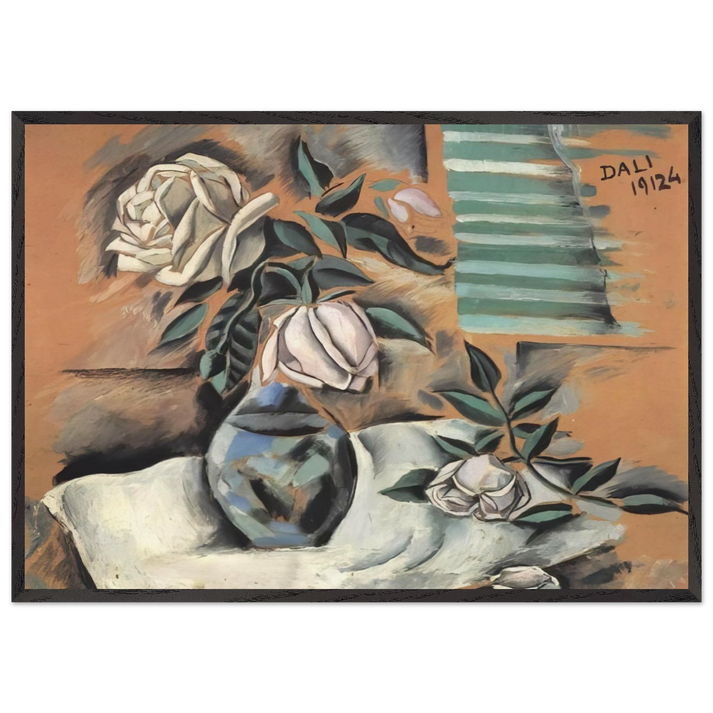
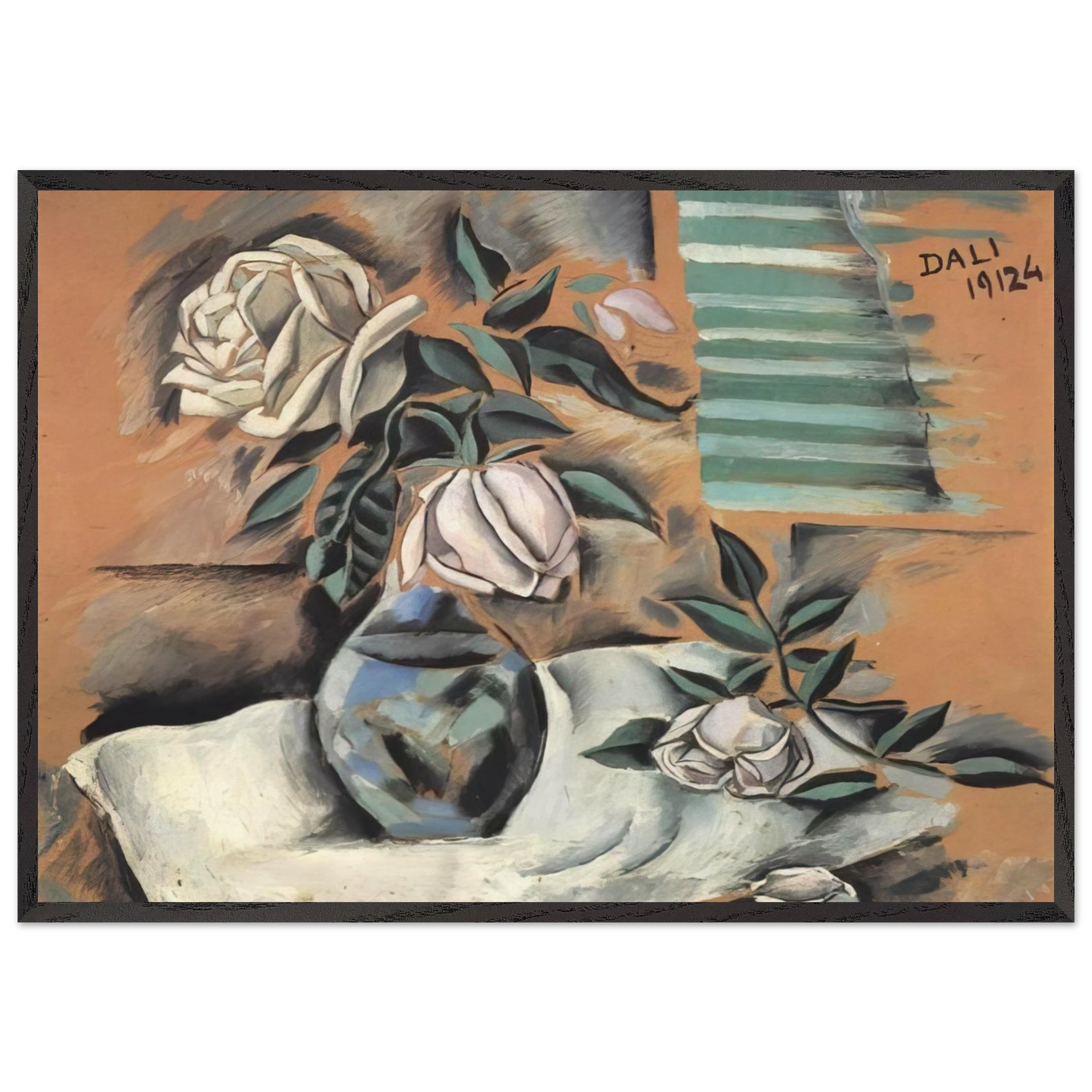
BOUQUET L IMPORTANT C EST LA ROSE - Salvador Dali 70x100 cm / 28x40 inches Framed Art Print – Black Wooden Frame
BOUQUET L IMPORTANT C EST LA ROSE - Salvador Dali 70x100 cm / 28x40 inches Framed Art Print – Black Wooden Frame
Couldn't load pickup availability
The Surreal Botanical Vision of Salvador Dalí
Step into the fantastical garden of the subconscious with Salvador Dalí’s "Bouquet: L'important c'est la rose." Originally conceived during a period of intense botanical exploration, this masterpiece represents Dalí's unique ability to merge scientific precision with surrealist imagination. Moving beyond his traditional melting clocks, Dalí applied his meticulous draftsmanship to the natural world, imbuing a classical bouquet with the ethereal energy of the Surrealist movement.
This 70x100 cm (28x40 inches) framed art print captures every nuance of Dalí’s chromatic brilliance. Produced on 250 gsm (110 lb) natural white archival paper, the matte, uncoated finish ensures a museum-quality experience that eliminates glare, allowing the vibrant reds and soft pinks of the roses to resonate with historical authenticity and depth.
Uncompromising Quality and Craftsmanship
At RedKalion, we believe that world-class art deserves world-class presentation. This reproduction is encased in a premium black wooden frame crafted from responsibly sourced ash wood. Unlike standard thin frames, our profile measures 20mm (0.79") in width and depth, providing a robust, sophisticated silhouette that commands attention in any interior space. The archival-grade paper thickness (0.29 mm) ensures the print remains flat and majestic over time.
- Archival Integrity: Printed on FSC-certified, acid-free museum-quality paper to ensure your investment resists yellowing for generations.
- Premium Protection: Shielded by shatterproof, transparent plexiglass that offers ultimate clarity while protecting the art from environmental damage.
- Ready to Display: Each piece arrives with a professional-grade hanging kit, ready to elevate your walls the moment it arrives.
Elevate your space with an archival masterpiece that endures. Acquiring this piece is more than just a purchase; it is an invitation to possess a fragment of art history, meticulously curated by RedKalion to meet the highest standards of the global fine art community.
Discover Unlimited Art Possibilities
At RedKalion, you can find virtually any artwork from any artist, available in a wide range of sizes to perfectly match your space.
If you didn’t find what you’re looking for, contact us at support@redkalion.com . We will source any artwork and produce it in any size and format you need, including art prints, posters, canvas, framed pieces, framed canvas, and more.
For dedicated art enthusiasts, we also offer handcrafted replicas of any artwork, carefully painted by highly skilled artists using traditional techniques.
For custom requests, contact us at support@redkalion.com .
What defines the paper quality of this Dalí print?
We use 250 gsm (110 lb) museum-quality paper. This natural white, matte, uncoated paper is archival-grade, meaning it is designed to last for decades without yellowing or fading, preserving the Surrealist colors of Dalí’s rose bouquet.
How is the artwork protected and framed?
The print is housed in a 20mm thick black frame made from solid ash wood. For safety and clarity, we use shatterproof plexiglass, which provides the look of glass with increased durability and UV protection for the artwork.
Is the framing sustainable?
Yes. All our frames and paper are made from FSC-certified materials or equivalent certifications. This ensures that your Salvador Dalí reproduction supports responsible forestry practices and environmental sustainability.
How does the hanging process work?
Your framed art print arrives ready-to-hang. We include a high-quality hanging kit with every order, allowing you to easily mount the 70x100 cm piece on your wall immediately upon delivery.
What is the archival life of this museum-quality reproduction?
Due to the acid-free nature of our 250 gsm paper and the protective plexiglass, this print is rated for archival longevity. Under standard indoor conditions, it will maintain its vibrant detail and color integrity for over 100 years.
What was Dalí's inspiration for the "L'important c'est la rose" series?
Dalí was fascinated by the "Florals" series in the late 60s, where he combined 19th-century botanical illustrations with his own surrealist symbols. The rose represented both beauty and the intricate complexity of the human mind.
Does the print retain the texture of the original work?
While this is a flat fine art print, the high-resolution archival process captures the subtle lithographic textures and brushstroke nuances of the original 1970 creation, providing an authentic visual experience.