RedKalion
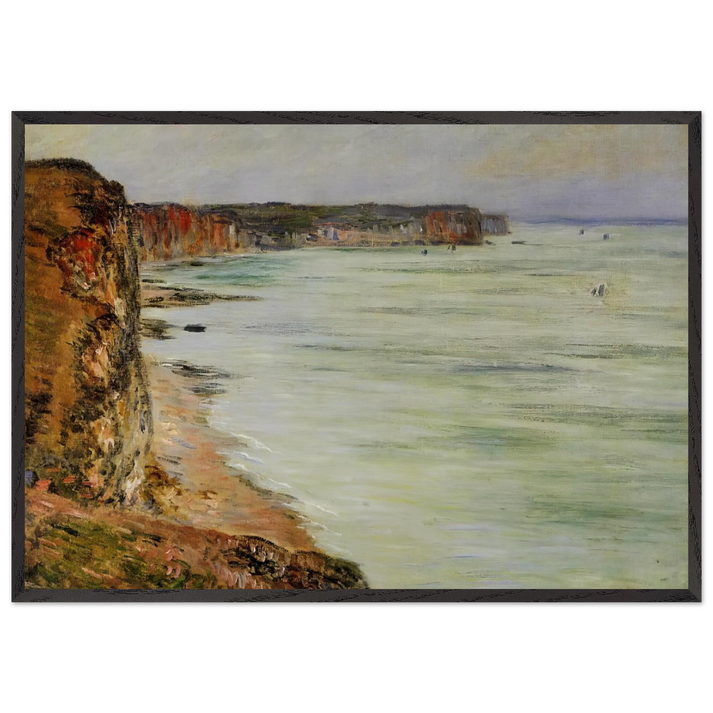
Calm Weather Fecamp - claude monet 70x100 cm / 28x40 inches Framed Art Print – Black Wooden Frame
Calm Weather Fecamp - claude monet 70x100 cm / 28x40 inches Framed Art Print – Black Wooden Frame
Couldn't load pickup availability
Experience the Serenity of Claude Monet’s Calm Weather Fecamp
Invite the tranquil essence of the Normandy coast into your home with Calm Weather Fecamp, a breathtaking masterpiece by the father of Impressionism, Claude Monet. Painted in 1881, this work captures the delicate atmospheric shifts of the sea at Fécamp, where Monet explored the ephemeral relationship between light, water, and sky. This museum-quality reproduction allows you to appreciate the subtle brushwork and the soft, luminous palette that defined the Impressionist movement.
A Museum-Quality Impressionist Masterpiece
At RedKalion, we curate our prints to meet the exacting standards of the world’s leading galleries. Our Claude Monet fine art prints are produced on 250 gsm (110 lb) natural white paper. This heavy-weight, archival museum-quality paper features a matte, uncoated finish that eliminates glare, ensuring the soft blues and gentle greys of the Normandy shoreline remain vibrant and true to the original oil painting for generations. The 0.29 mm thickness provides a premium, substantial feel that signifies true artistic value.
Sustainably Crafted and Elegantly Framed
This 70x100 cm (28x40 inches) masterpiece is presented in a sophisticated black wooden frame, expertly crafted from responsibly sourced oak and ash. To enhance the visual impact, we utilize a 20mm (0.79") profile—wider than the industry standard—providing a bold, modern edge to this classic scene. Each print is protected by shatterproof, transparent plexiglass, preserving the integrity of the archival ink while offering crystal-clear visibility. Our commitment to sustainability is reflected in our use of FSC-certified materials, ensuring your art collection supports ethical forestry.
Ready to Elevate Your Space
Transform your interior with an archival piece that evokes peace and sophistication. Your Calm Weather Fecamp framed art print arrives ready-to-hang, including a professional hanging kit for immediate installation. Whether as a focal point in a minimalist living room or a serene addition to an executive office, this RedKalion reproduction stands as a testament to enduring beauty and premium craftsmanship.

Discover Unlimited Art Possibilities
At RedKalion, you can find virtually any artwork from any artist, available in a wide range of sizes to perfectly match your space.
If you didn’t find what you’re looking for, contact us at support@redkalion.com . We will source any artwork and produce it in any size and format you need, including art prints, posters, canvas, framed pieces, framed canvas, and more.
For dedicated art enthusiasts, we also offer handcrafted replicas of any artwork, carefully painted by highly skilled artists using traditional techniques.
For custom requests, contact us at support@redkalion.com .
What paper quality is used for this Claude Monet print?
We use 250 gsm (110 lb) archival museum-quality paper. It is a natural white, matte, and uncoated paper with a thickness of 0.29 mm, ensuring durability and a premium, glare-free aesthetic for your fine art reproduction.
Is the frame included and ready to hang?
Yes, this artwork comes in a 20mm thick black wooden frame made from responsibly sourced oak and ash. It includes a complete hanging kit, making it ready to hang directly on your wall upon arrival.
How is the artwork protected during shipping and display?
Each print is protected by shatterproof, transparent plexiglass and securely packaged. The archival-grade paper and acid-free materials ensure your Claude Monet print remains protected from yellowing and environmental damage over time.
Is this product environmentally friendly?
Absolutely. RedKalion utilizes FSC-certified paper and frame materials (or equivalent) to ensure that your art print is produced using sustainable forestry practices that benefit the environment and local communities.
What are the shipping expectations for this framed print?
Your framed art is carefully packaged to ensure a safe arrival. We ship using reliable carriers, and since the piece arrives ready-to-hang, there is no additional assembly required once it reaches your door.
Where was "Calm Weather Fecamp" originally painted?
Claude Monet painted this scene in Fécamp, a coastal town in Normandy, France. In the early 1880s, he visited this region frequently to study the dramatic cliffs and the changing light of the English Channel.
What makes Monet's technique in this piece unique?
In "Calm Weather Fecamp," Monet utilizes short, rhythmic brushstrokes to capture the reflection of light on still water. This technique emphasizes the atmosphere and the "impression" of the moment rather than literal photographic detail.