
RedKalion
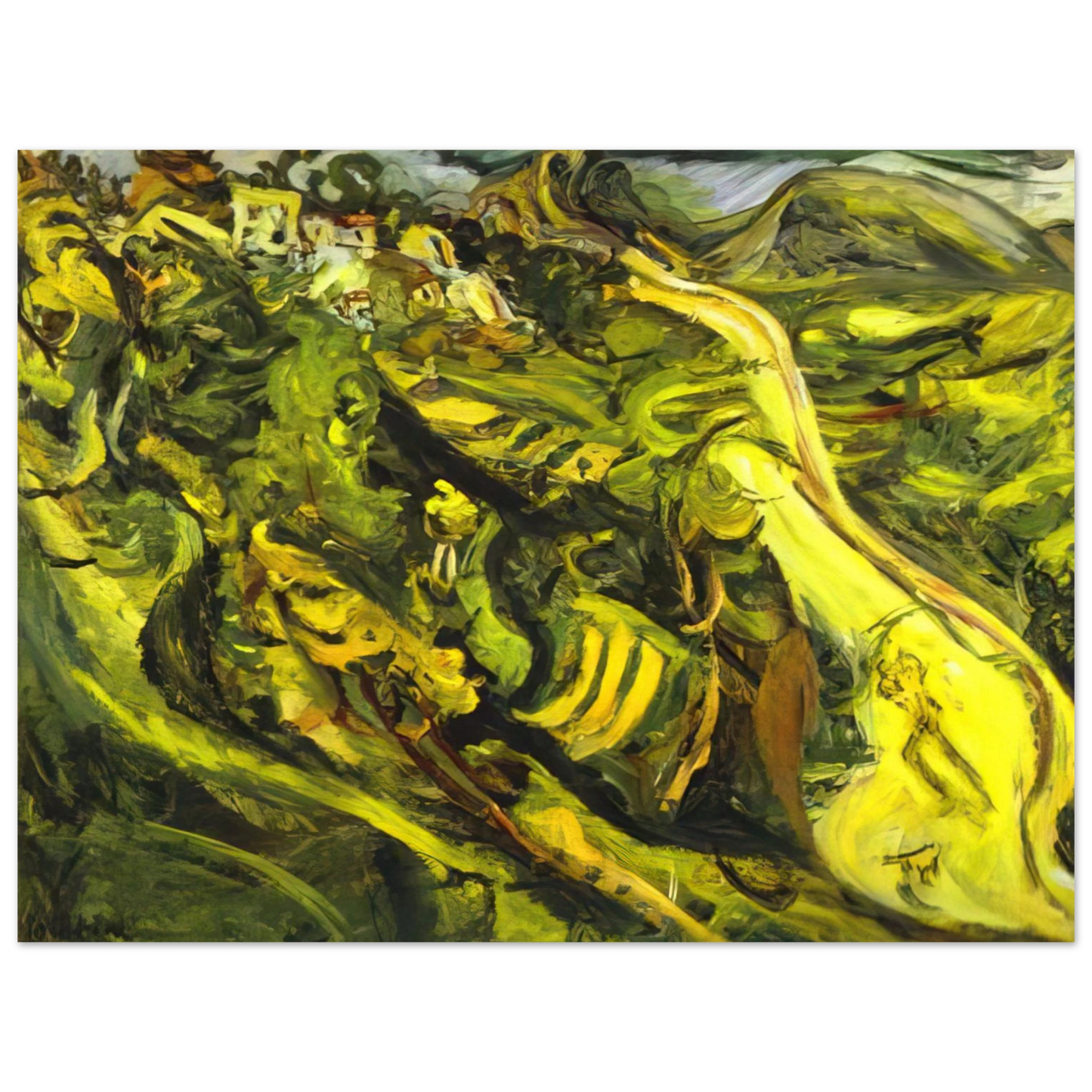
Chaim Soutine - ROAD AT CAGNES 75x100 cm / 30x40inches Fine Art Poster
Chaim Soutine - ROAD AT CAGNES 75x100 cm / 30x40inches Fine Art Poster
Couldn't load pickup availability
Road at Cagnes: Chaim Soutine’s Visionary Landscape
Experience the raw, emotional intensity of the École de Paris with this museum-quality reproduction of Chaim Soutine’s Road at Cagnes. Painted during Soutine’s prolific residency in Cagnes-sur-Mer between 1922 and 1925, this work is a quintessential example of his expressive, nearly hallucinatory style. The composition features the characteristic 'Soutine tilt,' where the road and surrounding architecture seem to pulse and sway, transforming a Mediterranean landscape into a powerful psychological portrait of movement and unrest.
Archival Excellence for the Discerning Collector
At RedKalion, we honor Soutine’s vibrant palette and thick, gestural strokes by utilizing the Master's Edition archival paper. This premium, off-white (natural white) paper is specifically chosen for its ability to hold deep, saturated pigments without the glare of standard posters. The matte, uncoated finish ensures that the focus remains entirely on the artwork’s texture and color, providing a luxurious tactile experience that mimics the original canvas's gravity.
Technical Specifications
- Paper Quality: 250 gsm (110 lb) museum-grade archival paper.
- Durability: Acid-free (pH above 7) to prevent yellowing and ensure longevity for generations.
- Texture: Thick 0.29 mm (11.4 mils) paper with a sophisticated, non-reflective matte surface.
- Sustainability: Printed on FSC-certified paper, supporting responsible forestry.
This fine art print is more than a decoration; it is a testament to the enduring legacy of Expressionism. Elevate your space with an archival masterpiece that captures the frantic beauty of Soutine’s genius, printed and shipped on demand with the precision that only RedKalion provides.
Discover Unlimited Art Possibilities
At RedKalion, you can find virtually any artwork from any artist, available in a wide range of sizes to perfectly match your space.
If you didn’t find what you’re looking for, contact us at support@redkalion.com . We will source any artwork and produce it in any size and format you need, including art prints, posters, canvas, framed pieces, framed canvas, and more.
For dedicated art enthusiasts, we also offer handcrafted replicas of any artwork, carefully painted by highly skilled artists using traditional techniques.
For custom requests, contact us at support@redkalion.com .
What is the quality of the paper used for this Chaim Soutine print?
We use Master's Edition archival paper, a museum-quality 250 gsm (110 lb) stock. It features a natural white, uncoated matte finish that provides a luxurious feel and prevents glare, ensuring the vibrant colors of Soutine's work are perfectly preserved.
Will the 'Road at Cagnes' print fade over time?
No. Our prints are produced on acid-free paper with a pH above 7. This archival-grade material prevents yellowing and degradation, ensuring your museum-quality reproduction maintains its integrity and color brilliance for many decades.
Is the production process for this fine art poster eco-friendly?
Yes, sustainability is a priority for RedKalion. We use FSC-certified paper, which ensures the materials come from responsibly managed forests. Additionally, our print-on-demand model reduces waste by eliminating excess inventory.
How is the artwork shipped and are there minimum order requirements?
There are no minimum order requirements. Each order is printed on demand and shipped in robust, protective packaging to ensure your fine art print arrives in gallery-perfect condition.
What kind of finish does this museum-quality reproduction have?
The print features a premium matte finish. Unlike glossy posters, this uncoated surface eliminates reflections, allowing the viewer to appreciate the intricate details and emotional depth of Soutine’s brushwork from any angle.
Why are the landscapes in Soutine's 'Road at Cagnes' so distorted?
Soutine was a leading figure in Expressionism. His distorted perspectives and swirling lines were not literal depictions, but rather reflections of his internal emotional state and a desire to capture the living energy of the landscape.
When did Chaim Soutine paint the original 'Road at Cagnes'?
Soutine painted his Cagnes series approximately between 1922 and 1925. This period is considered one of his most significant, characterized by a shift toward a more fluid and rhythmic style compared to his earlier Céret works.