
RedKalion
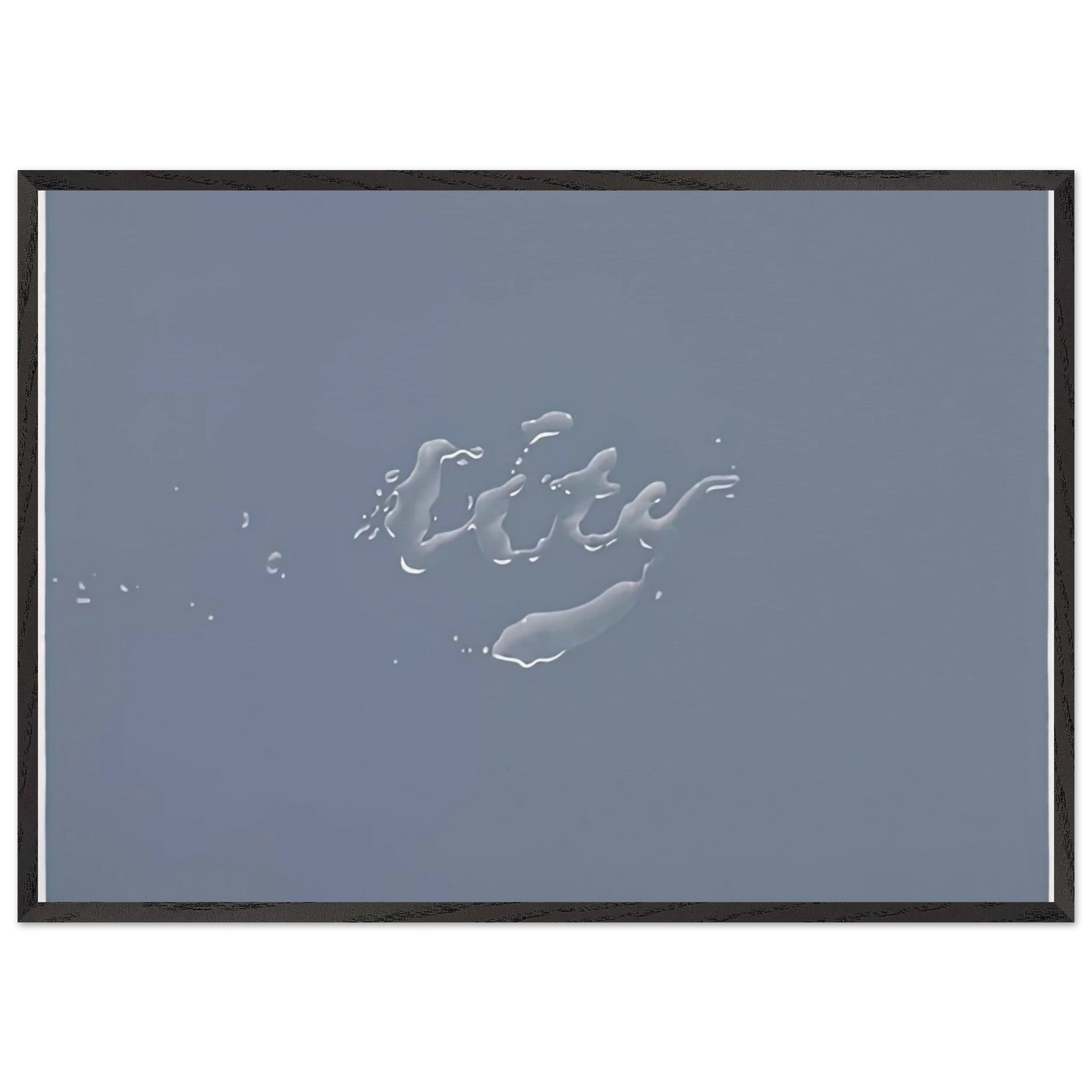
CITY 1969 - Edward Ruscha 70x100 cm / 28x40 inches Framed Art Print – Black Wooden Frame
CITY 1969 - Edward Ruscha 70x100 cm / 28x40 inches Framed Art Print – Black Wooden Frame
Couldn't load pickup availability
The Conceptual Brilliance of Edward Ruscha’s ‘CITY’ (1969)
Experience the intersection of typography and landscape with Edward Ruscha’s CITY (1969). As a leading figure in the Los Angeles 'Cool School' and a pioneer of Conceptual Art, Ruscha transformed words into visual architecture. In this iconic piece, the word 'CITY' is rendered with a sculptural presence that reflects the sprawling, enigmatic nature of the American urban sprawl. This museum-quality reproduction captures the precise gradients and minimalist ethos that define Ruscha’s contribution to mid-century modernism.
At RedKalion, we bridge the gap between historic significance and modern interior sophistication. Our CITY 1969 fine art print is produced on premium 250 gsm (110 lb) natural white paper. This archival, matte, and uncoated substrate ensures that the artwork remains vibrant and free from the yellowing typical of lesser prints. Every detail, from the fluid lettering to the atmospheric background, is rendered with absolute fidelity.
Your masterpiece arrives encased in a responsibly sourced black wooden frame crafted from high-quality oak or ash. Measuring 20mm (0.79") in width and depth, this frame provides a substantial, gallery-standard profile that exceeds the standard 14mm frames found elsewhere. Protected by shatterproof plexiglass and arriving ready-to-hang with an included kit, this piece allows you to elevate your collection with an archival work that endures.
- Artist: Edward Ruscha
- Medium: Archival Matte Fine Art Print
- Paper Weight: 250 gsm / 110 lb (Archival Quality)
- Frame Material: FSC-certified black oak/ash wood
- Dimensions: 70x100 cm / 28x40 inches
Discover Unlimited Art Possibilities
At RedKalion, you can find virtually any artwork from any artist, available in a wide range of sizes to perfectly match your space.
If you didn’t find what you’re looking for, contact us at support@redkalion.com . We will source any artwork and produce it in any size and format you need, including art prints, posters, canvas, framed pieces, framed canvas, and more.
For dedicated art enthusiasts, we also offer handcrafted replicas of any artwork, carefully painted by highly skilled artists using traditional techniques.
For custom requests, contact us at support@redkalion.com .
What are the specifications of the paper used for this Ruscha print?
We use 250 gsm (110 lb) museum-quality, natural white paper. It is archival-grade, acid-free, and uncoated with a matte finish, ensuring your Edward Ruscha print remains vibrant and resists yellowing for decades.
What is the frame material and thickness?
The frame is crafted from responsibly sourced, FSC-certified black oak or ash wood. It features a premium 20mm (0.79") thickness and width, offering a more robust and sophisticated gallery appearance than standard frames.
Is the artwork ready to hang upon delivery?
Yes, your CITY 1969 framed art print arrives ready-to-hang. Each order includes a professional hanging kit, allowing you to easily mount your new archival masterpiece immediately after unboxing.
How is the print protected during shipping and on the wall?
We use shatterproof, transparent plexiglass to protect the print surface while maintaining clarity. Each framed print is carefully packaged in protective materials to ensure it arrives at your door in pristine condition.
Does RedKalion use sustainable materials?
RedKalion is committed to sustainability. We use FSC-certified wood for our frames and paper, or equivalent certifications, ensuring that your art collection supports responsible forest management and environmental stewardship.
What is the artistic significance of Ruscha’s ‘CITY’ (1969)?
CITY (1969) represents Ruscha’s exploration of 'liquid words' and conceptual landscape. By isolating text, Ruscha invites viewers to see language as a physical object, mirroring the detached, cinematic atmosphere of 1960s Los Angeles.
What art movement does Edward Ruscha belong to?
Edward Ruscha is a central figure in Pop Art and Conceptualism. He is famously associated with the West Coast 'Cool School,' known for his deadpan aesthetic and innovative use of typography as a subject.