

RedKalion
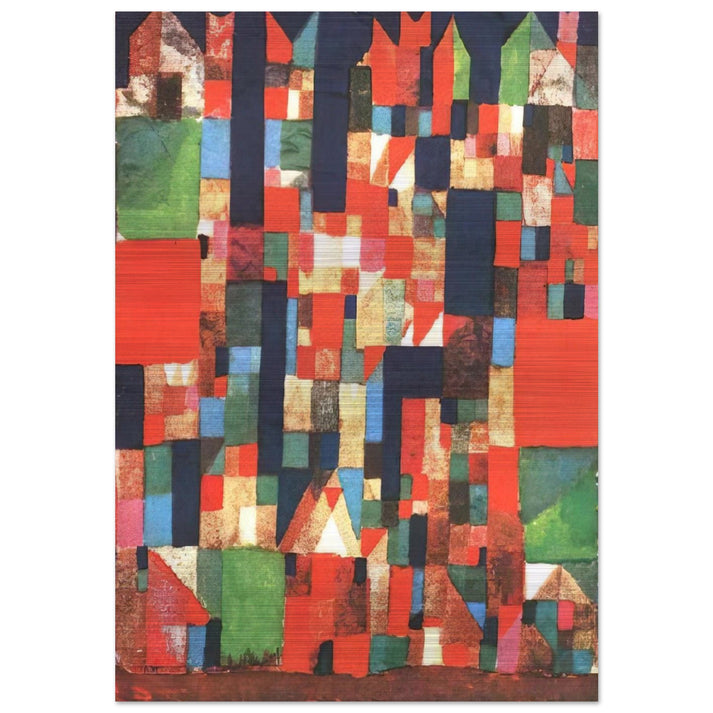
CITY PICTURE WITH RED AND GREEN ACCENTS 1921 - Paul Klee Brushed Aluminum Print - 70x100 cm / 28x40 inches | Paul Klee Aluminum Print | Paul Klee Prints
CITY PICTURE WITH RED AND GREEN ACCENTS 1921 - Paul Klee Brushed Aluminum Print - 70x100 cm / 28x40 inches | Paul Klee Aluminum Print | Paul Klee Prints
Couldn't load pickup availability
Elevate Your Space with Paul Klee’s Abstract Vision
In 1921, the year Paul Klee began his influential tenure at the Bauhaus, he painted City Picture with Red and Green Accents. This seminal work represents a masterclass in geometric abstraction and color theory. By blending architectural structures with a poetic sensibility, Klee created a rhythmic cityscape that resonates with balance and modern energy. At RedKalion, we bring this masterpiece to life through a sophisticated medium that honors its historical weight while embracing contemporary aesthetics.
The Intersection of Art History and Material Innovation
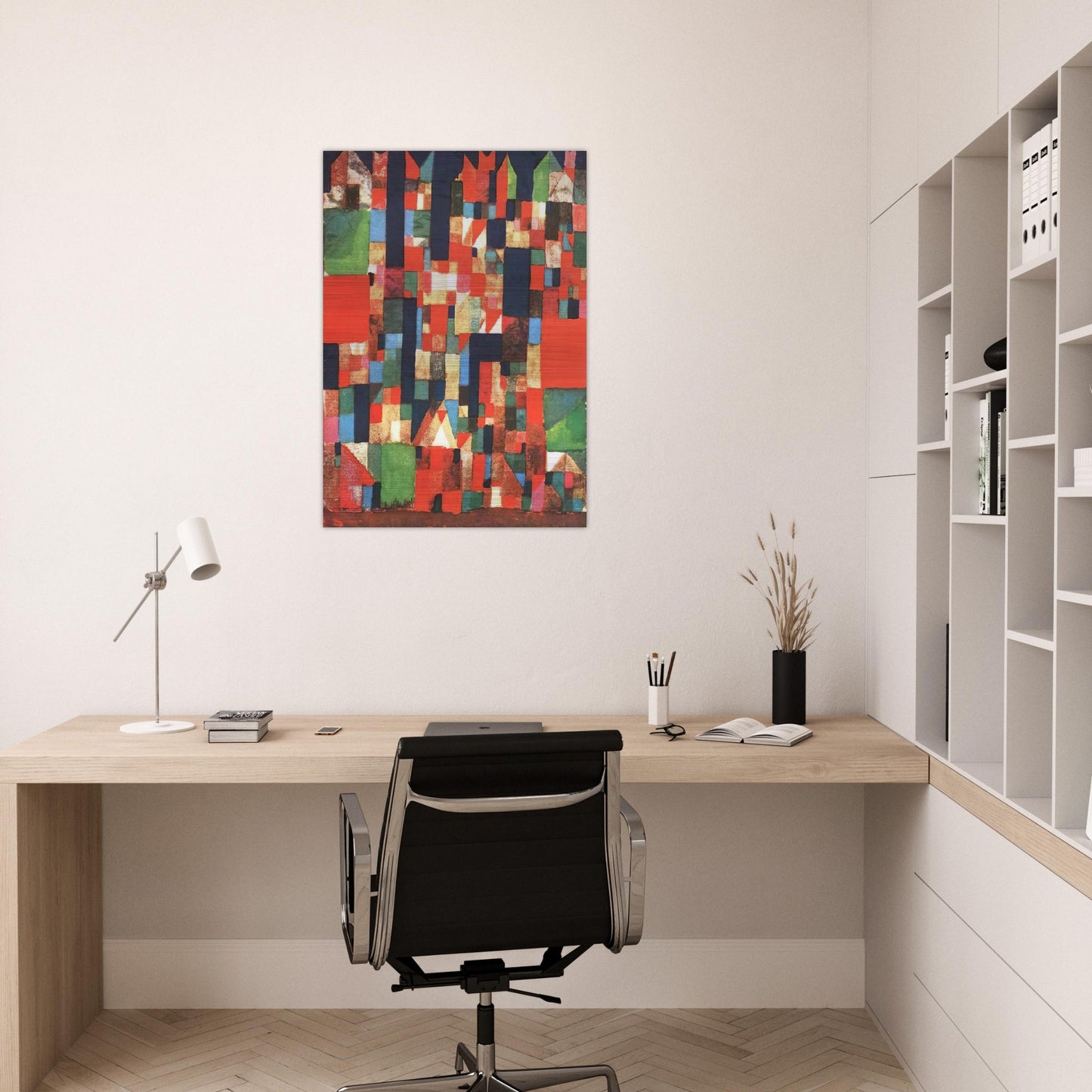
Our museum-quality reproduction is meticulously crafted on brushed silver Aluminum DIBOND®. This 3mm (0.12") rigid base offers a durable and sophisticated foundation for Klee’s intricate grid. The horizontal grain of the aluminum adds a dynamic, metallic finish that catches the light in ways a traditional canvas cannot. In this specific print, the unprinted white areas of Klee's composition are left to reveal the stunning silver metallic effect, creating a striking contrast against the vivid red and green accents.
Premium Specifications for the Discerning Collector
- Direct-to-Material Printing: We utilize advanced direct printing techniques on AluDibond, ensuring vivid color saturation and a refined matte finish.
- Glare-Free Viewing: The matte surface eliminates reflections, making it the perfect choice for brightly lit rooms or professional galleries.
- Industrial Strength: The 3mm thickness provides a lightweight yet incredibly durable structure that will not warp over time.
- Archival Longevity: Designed to endure, our archival-grade materials ensure the integrity of the pigments for decades.
Each Paul Klee fine art print comes with a hanging kit tailored to your fulfillment location, ensuring a seamless installation. By choosing a RedKalion reproduction, you are not merely purchasing a piece of decor; you are investing in an archival masterpiece that bridges the gap between early 20th-century genius and 21st-century luxury.


Discover Unlimited Art Possibilities
At RedKalion, you can find virtually any artwork from any artist, available in a wide range of sizes to perfectly match your space.
If you didn’t find what you’re looking for, contact us at support@redkalion.com . We will source any artwork and produce it in any size and format you need, including art prints, posters, canvas, framed pieces, framed canvas, and more.
For dedicated art enthusiasts, we also offer handcrafted replicas of any artwork, carefully painted by highly skilled artists using traditional techniques.
For custom requests, contact us at support@redkalion.com .
What makes the Brushed Aluminum DIBOND® finish unique for this Klee print?
The brushed silver finish features a horizontal grain that provides a metallic, dynamic look. White areas in the artwork are not printed, allowing the raw silver aluminum to shine through, creating a sophisticated industrial aesthetic for this Paul Klee masterpiece.
Is the hanging hardware included with the 70x100 cm print?
Yes, every RedKalion aluminum print includes a high-quality hanging kit. The specific type of kit varies depending on the fulfillment country to ensure the safest and most efficient installation for your specific region.
How does the matte finish affect the viewing experience?
The matte, glare-free finish is ideal for high-light environments. It ensures that the deep reds and vibrant greens of Klee's 1921 composition remain visible from every angle without distracting reflections or hot spots.
What is the archival lifespan of this aluminum fine art print?
RedKalion prints are designed for longevity. The direct-to-aluminum printing process uses UV-stable inks and archival-grade DIBOND®, ensuring that the artwork remains vibrant and structurally sound for decades without fading or warping.
How is the artwork protected during transit?
We use heavy-duty, secure packaging specifically designed for large-format 70x100 cm prints. Each piece is wrapped in protective layers to ensure it arrives at your door in pristine, gallery-ready condition.
What is the historical significance of "City Picture with Red and Green Accents 1921"?
1921 was a pivotal year for Paul Klee as he joined the Bauhaus. This piece reflects his transition toward constructive geometry and color theory, exploring how simple shapes can evoke complex urban environments.
Why did Klee use red and green as the primary accents in this piece?
Klee often utilized complementary colors to create visual tension and balance. The red and green accents act as rhythmic pulses within the architectural grid, guiding the viewer's eye through the abstract city landscape.