
RedKalion
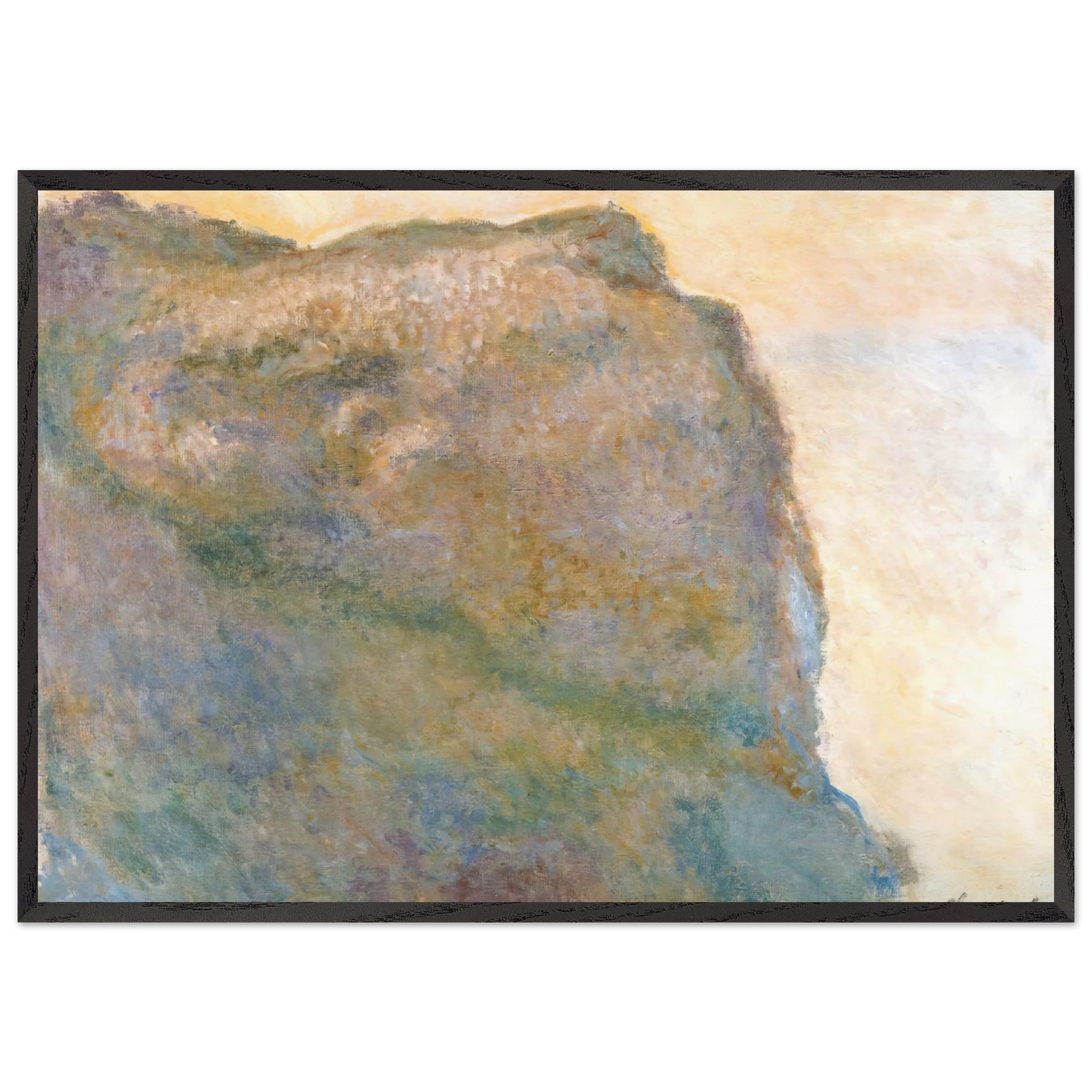
Cliff at Petit Ailly - claude monet 70x100 cm / 28x40 inches Framed Art Print – Black Wooden Frame
Cliff at Petit Ailly - claude monet 70x100 cm / 28x40 inches Framed Art Print – Black Wooden Frame
Couldn't load pickup availability
Claude Monet’s Cliff at Petit Ailly: A Masterpiece of Impressionist Light
Invite the serene brilliance of the Normandy coast into your home with this exquisite museum-quality reproduction of Claude Monet’s Cliff at Petit Ailly. Captured during his prolific residency at Varengeville-sur-Mer, this work epitomizes the Impressionist pursuit of capturing 'l’instant'—the fleeting atmospheric conditions of nature. The towering cliffs and shimmering sea are rendered with Monet's signature broken brushwork, creating a sense of movement and depth that transforms any interior into a gallery-like sanctuary.
Archival Excellence by RedKalion
At RedKalion, we honor Monet’s legacy through meticulous archival standards. This 70x100 cm (28x40 inches) framed art print is produced on 250 gsm (110 lb) museum-quality paper. The natural white, uncoated matte finish ensures a glare-free viewing experience, allowing the subtle nuances of Monet’s palette—from the deep ochres of the cliffside to the ethereal blues of the English Channel—to resonate with absolute authenticity.
- Sophisticated Framing: A premium black wooden frame crafted from sustainably sourced oak and ash, featuring a 20mm (0.79") profile—wider and more robust than standard gallery frames.
- Archival Durability: Acid-free, FSC-certified paper (0.29 mm thickness) designed to prevent yellowing and preserve color integrity for generations.
- Shatterproof Protection: Outfitted with high-clarity plexiglass to safeguard the print while maintaining a lightweight, safe hanging profile.
- Seamless Installation: Arrives ready-to-hang with a professional kit included, allowing for immediate elevation of your living or office space.
A Sustainable Heritage Piece
By choosing RedKalion, you are investing in a piece that balances historical significance with environmental responsibility. Utilizing responsibly sourced materials, we ensure that this archival masterpiece endures as a centerpiece in your collection. Elevate your environment with a sophisticated window into the 19th-century avant-garde.
Discover Unlimited Art Possibilities
At RedKalion, you can find virtually any artwork from any artist, available in a wide range of sizes to perfectly match your space.
If you didn’t find what you’re looking for, contact us at support@redkalion.com . We will source any artwork and produce it in any size and format you need, including art prints, posters, canvas, framed pieces, framed canvas, and more.
For dedicated art enthusiasts, we also offer handcrafted replicas of any artwork, carefully painted by highly skilled artists using traditional techniques.
For custom requests, contact us at support@redkalion.com .
What is the quality of the paper used for this Monet print?
We use 250 gsm (110 lb) archival museum-quality paper. It is natural white, uncoated, and matte-finished, ensuring the colors of "Cliff at Petit Ailly" remain vibrant without glare or yellowing over time.
What are the specifications of the black wooden frame?
The frame is made from responsibly sourced oak and ash wood. It measures 20mm (0.79") in thickness and width, providing a sturdier and more premium aesthetic than standard 14mm frames.
How is the artwork protected during shipping and display?
Each print is protected by shatterproof, transparent plexiglass. This provides the clarity of glass with added durability. We ship in robust, secure packaging to ensure your framed art arrives in pristine condition.
Is the framing material environmentally friendly?
Yes, RedKalion uses FSC-certified materials or equivalent certifications. This ensures that the wood and paper used in your Claude Monet reproduction support sustainable forest management.
Is the art print ready to hang upon arrival?
Absolutely. Your 70x100 cm framed print comes fully assembled with an integrated hanging kit, allowing you to display this Impressionist masterpiece on your wall immediately.
What is the significance of the "Petit Ailly" location in Monet's work?
Petit Ailly is located in Varengeville-sur-Mer, Normandy. Monet was fascinated by its unique vertical cliffs and the way the changing tide altered the coastal light, leading him to create several famous series here.
How did Monet achieve the texture seen in the cliffs?
Monet utilized a technique called "broken color," applying short, thick strokes of different hues side-by-side. This allows the viewer's eye to optically mix the colors, creating a vibrant, shimmering effect of natural light.