
RedKalion
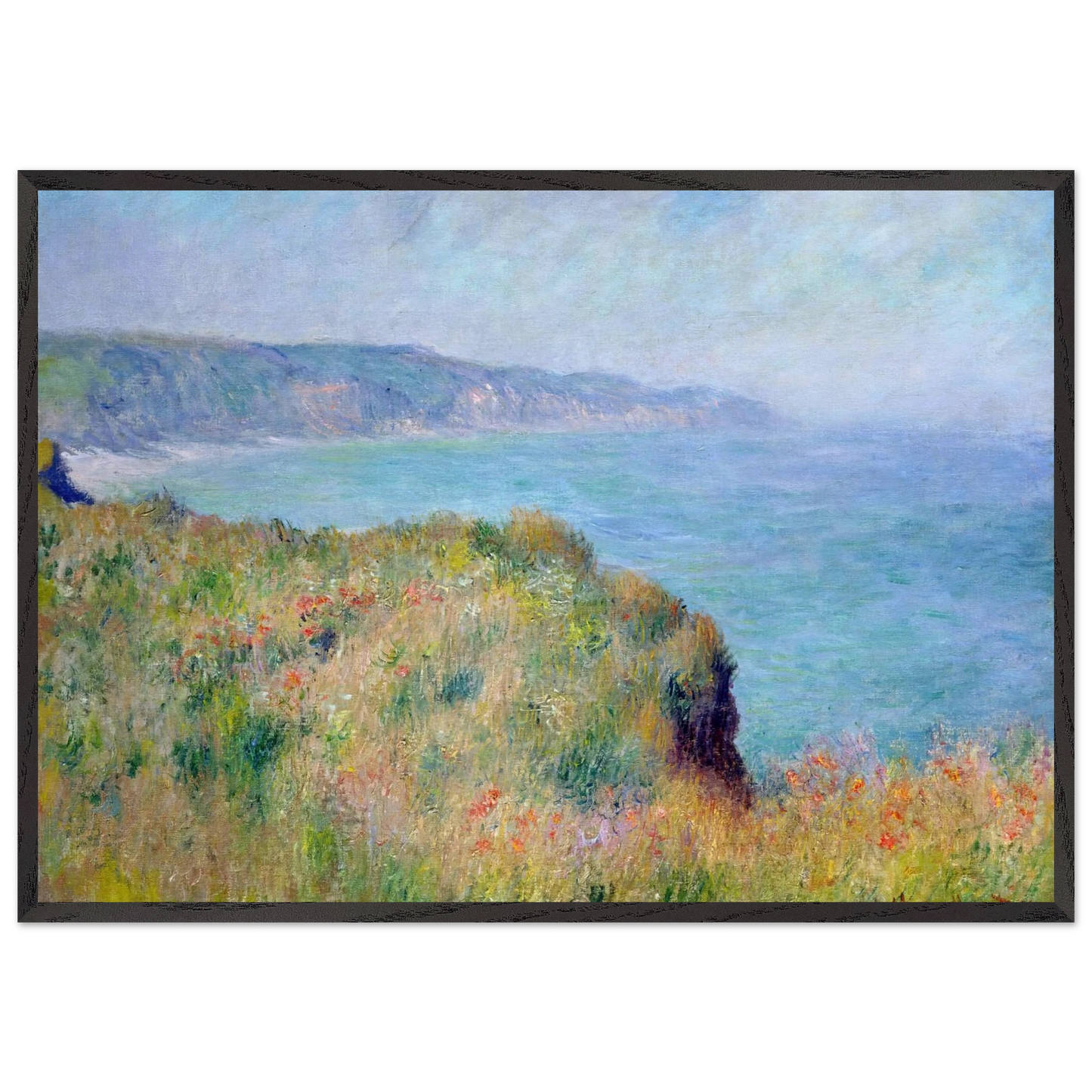
Cliff near Pourville - claude monet 70x100 cm / 28x40 inches Framed Art Print – Black Wooden Frame
Cliff near Pourville - claude monet 70x100 cm / 28x40 inches Framed Art Print – Black Wooden Frame
Couldn't load pickup availability
Experience the Luminosity of Claude Monet’s Cliff near Pourville
Invite the serenity of the Normandy coast into your home with this exquisite museum-quality reproduction of Claude Monet’s Cliff near Pourville. Painted in 1882, this masterpiece captures the transient beauty of light as it dances across the chalk cliffs and the shimmering English Channel. As a cornerstone of Impressionism, Monet’s work emphasizes the atmosphere and sensory experience of a moment, rendered through rapid, rhythmic brushstrokes and a vibrant palette.
At RedKalion, we honor the legacy of this archival masterpiece by using premium materials that preserve the integrity of Monet’s vision. This 70x100 cm (28x40 inches) framed art print is more than a decoration; it is an enduring investment in fine art. Our prints are produced on 250 gsm (110 lb) natural white, matte, archival paper, ensuring that the subtle nuances of the sea foam and sky remain vivid for generations without the glare of coated finishes.
Unrivaled Quality and Sustainable Craftsmanship
- Premium Frame: Constructed from responsibly sourced ash wood with a sophisticated black finish, measuring 20mm (0.79") in width and depth for a substantial, gallery-grade presence.
- Museum-Grade Paper: Our 250 gsm archival paper is acid-free and FSC-certified, preventing yellowing and ensuring the longevity of the print.
- Protective Glazing: Each piece is secured with shatterproof plexiglass, offering crystal-clear visibility while protecting the artwork from UV damage and environmental factors.
- Ready to Display: Your art arrives fully assembled with a hanging kit included, allowing you to elevate your space immediately upon delivery.
Whether displayed in a modern living room or a classic study, this Claude Monet framed art print brings the timeless elegance of 19th-century French landscape painting into the contemporary home. Experience the high-fidelity color and meticulous detail that only a RedKalion curation can provide.
Discover Unlimited Art Possibilities
At RedKalion, you can find virtually any artwork from any artist, available in a wide range of sizes to perfectly match your space.
If you didn’t find what you’re looking for, contact us at support@redkalion.com . We will source any artwork and produce it in any size and format you need, including art prints, posters, canvas, framed pieces, framed canvas, and more.
For dedicated art enthusiasts, we also offer handcrafted replicas of any artwork, carefully painted by highly skilled artists using traditional techniques.
For custom requests, contact us at support@redkalion.com .
What are the dimensions and frame specifications for this print?
This print measures 70x100 cm (28x40 inches). The frame is crafted from black-painted ash wood, featuring a 20mm profile that is wider and more durable than standard commercial frames.
What type of paper is used for the Claude Monet reproduction?
We use 250 gsm (110 lb) museum-quality, natural white paper. It is uncoated and matte, providing an archival-grade surface that captures the authentic texture of Monet's brushwork.
Is the artwork protected against damage and fading?
Yes, each print is protected by shatterproof, transparent plexiglass. Combined with our acid-free, FSC-certified archival paper, the piece is designed to resist yellowing and environmental wear over time.
Does the framed art print come ready to hang?
Absolutely. Your Claude Monet print arrives fully assembled in its black wooden frame with a professional hanging kit included, making it ready to mount directly onto your wall.
What is RedKalion’s commitment to sustainability?
RedKalion prioritizes the environment by using FSC-certified wood and paper or local equivalents, ensuring that your fine art print is produced with responsibly sourced materials.
Where was Cliff near Pourville originally painted?
Claude Monet painted this scene in Pourville-sur-Mer, a small seaside resort in Normandy, France, during one of his productive coastal stays in 1882.
What makes the Cliff near Pourville technically significant?
It is a premier example of Monet's 'en plein air' technique, using varied brushstrokes to differentiate the textures of the grass, the limestone cliffs, and the moving sea.