

RedKalion
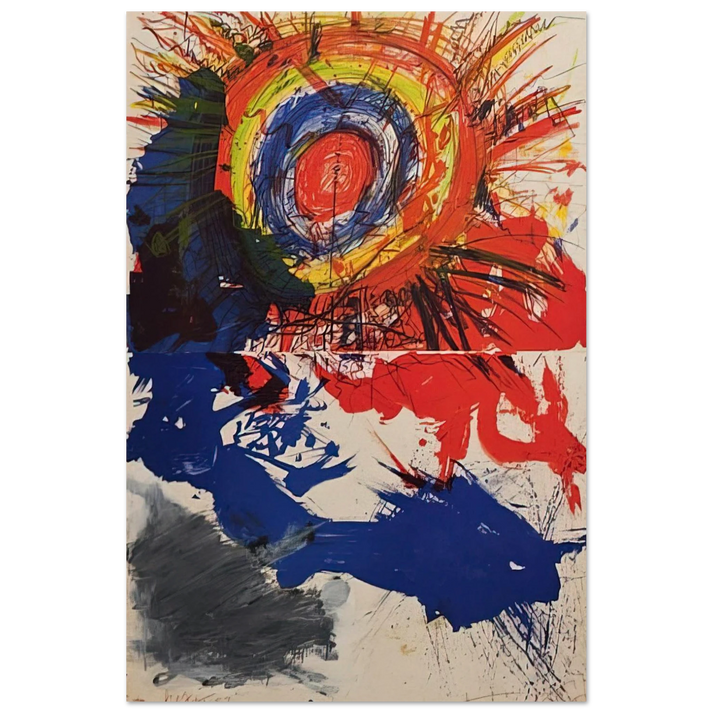
Composition - 1957 - Walasse Ting Art Prints - 100x150 cm / 40x60″ inches | Walasse Ting Poster | Walasse Ting Prints
Composition - 1957 - Walasse Ting Art Prints - 100x150 cm / 40x60″ inches | Walasse Ting Poster | Walasse Ting Prints
Couldn't load pickup availability
Walasse Ting’s Composition (1957): A Vibrant Archival Masterpiece for Your Space
Elevate your collection with this museum-quality reproduction of Composition (1957) by Walasse Ting, a seminal work from the CoBrA movement’s most electrifying colorist. Ting’s bold, gestural brushwork and explosive palette—rooted in both Chinese ink traditions and European avant-garde—capture the raw energy of post-war abstraction. This fine art print, meticulously reproduced on RedKalion’s Master’s Edition archival paper, preserves every nuance of Ting’s original, from the dynamic interplay of hues to the tactile depth of his strokes.
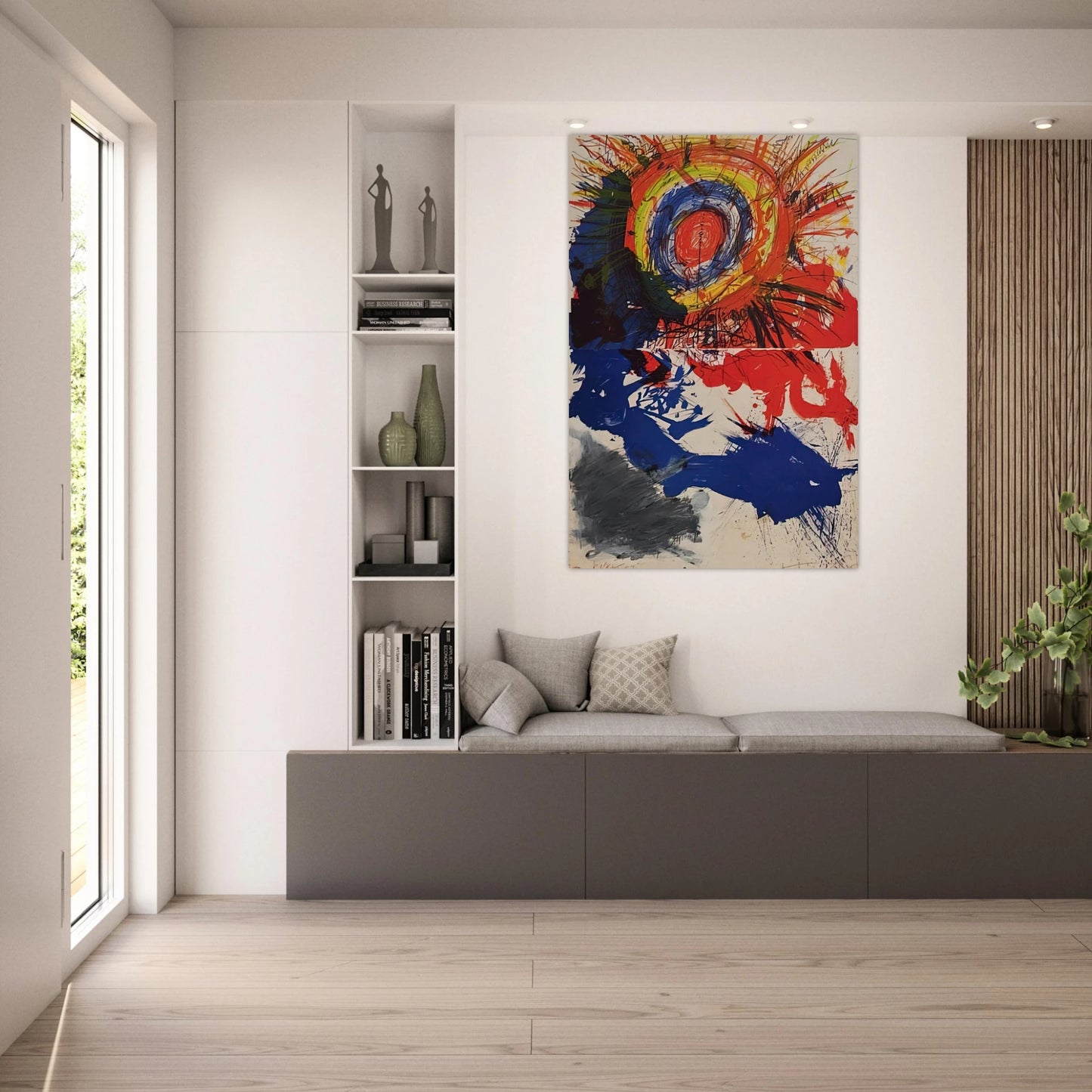
Printed on 250 gsm (110 lb) FSC-certified, acid-free paper with a velvety matte finish, this uncoated, off-white surface ensures longevity and a gallery-worthy presentation. The 0.29 mm (11.4 mils) thickness provides a substantial, premium feel, while the natural white tone enhances the artwork’s luminosity without glare. Measuring 100x150 cm (40x60″ inches), this large-format print commands attention, transforming any space into a curated sanctuary of modern art.
Walasse Ting’s Composition (1957) is more than a print—it’s a fragment of art history. As a founding member of the CoBrA group, Ting bridged Eastern and Western aesthetics, infusing his canvases with the spontaneity of calligraphy and the emotional intensity of Expressionism. This piece, with its rhythmic swirls of cobalt, crimson, and ochre, embodies the movement’s rebellious spirit while foreshadowing the vibrant Pop Art of the 1960s. Display it in natural light to reveal the subtle texture of the uncoated paper, a testament to RedKalion’s commitment to archival-grade reproductions that endure for generations.
Whether you’re a seasoned collector or a discerning enthusiast, this Walasse Ting poster offers an unparalleled blend of artistic heritage and tactile luxury. Trust RedKalion to deliver a print that honors Ting’s legacy while meeting the exacting standards of museums and connoisseurs worldwide.


Discover Unlimited Art Possibilities
At RedKalion, you can find virtually any artwork from any artist, available in a wide range of sizes to perfectly match your space.
If you didn’t find what you’re looking for, contact us at support@redkalion.com . We will source any artwork and produce it in any size and format you need, including art prints, posters, canvas, framed pieces, framed canvas, and more.
For dedicated art enthusiasts, we also offer handcrafted replicas of any artwork, carefully painted by highly skilled artists using traditional techniques.
For custom requests, contact us at support@redkalion.com .
What makes RedKalion’s Composition (1957) print museum-quality?
Our Walasse Ting prints are reproduced on 250 gsm acid-free, FSC-certified paper with a matte, uncoated finish, ensuring archival longevity and a gallery-worthy presentation that mirrors the original artwork’s depth and texture.
How does the paper’s off-white tone affect the artwork’s appearance?
The natural white (off-white) paper enhances the vibrancy of Ting’s colors while reducing glare, creating a soft, luminous effect that highlights the print’s fine details and brushwork.
Is this Walasse Ting poster suitable for framing?
Absolutely. The 100x150 cm (40x60″ inches) size is ideal for standard large-format frames, and the 0.29 mm thickness ensures durability. For best results, use acid-free matting to preserve the print’s archival quality.
How does RedKalion ensure the print’s longevity?
Our Master’s Edition paper is acid-free (pH >7) and FSC-certified, preventing yellowing and deterioration. Combined with archival inks, this guarantees your fine art print remains vibrant for decades.
What are the shipping options for this large-format print?
We ship Walasse Ting prints in sturdy, protective tubes to prevent creasing. Expedited and international shipping are available, with tracking included for all orders. Delivery times vary by location.
Why did Walasse Ting use such bold colors in Composition (1957)?
Ting’s vibrant palette reflects his dual heritage—Chinese ink traditions and European Expressionism—merged with the CoBrA group’s rebellious spirit. His colors evoke emotion and movement, a hallmark of his avant-garde style.
How does Composition (1957) fit into the CoBrA movement?
This piece exemplifies CoBrA’s ethos: spontaneous, childlike energy fused with raw emotional expression. Ting’s work stood out for its lyrical abstraction, bridging Eastern calligraphy and Western modernism.