


RedKalion
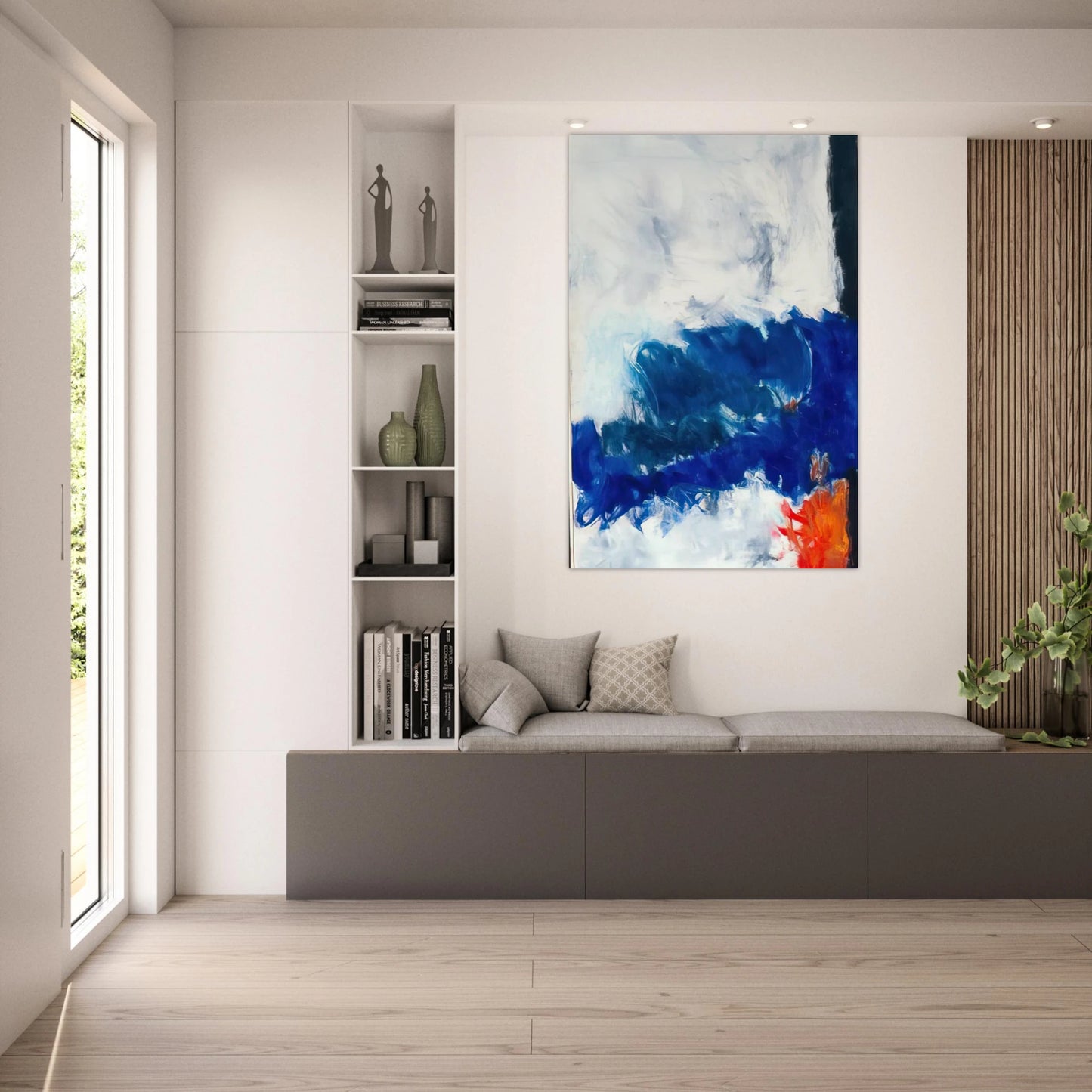
Edge of Day - 1961 - Theodoros Stamos Art Prints - 100x150 cm / 40x60″ inches | Theodoros Stamos Poster | Theodoros Stamos Prints
Edge of Day - 1961 - Theodoros Stamos Art Prints - 100x150 cm / 40x60″ inches | Theodoros Stamos Poster | Theodoros Stamos Prints
Couldn't load pickup availability
Theodoros Stamos' Edge of Day (1961): A Luminous Masterpiece Reborn on Archival Paper
Step into the ethereal world of Theodoros Stamos with Edge of Day (1961), a transcendent work from the Abstract Expressionist movement. This fine art print captures the artist's signature interplay of light and form, evoking the fleeting moments between dusk and dawn. Stamos, a key figure in the New York School, masterfully blends soft gradients with bold, organic shapes—creating a visual poem that resonates with both serenity and dynamism.
Now, RedKalion brings this museum-quality reproduction to your space in a Master's Edition archival print designed to endure for generations. Our FSC-certified, acid-free paper—off-white and uncoated—faithfully mirrors the tactile richness of Stamos' original canvas, while the 250 gsm weight and matte finish ensure a velvety, glare-free surface that enhances every nuance of color and texture.
Measuring 100x150 cm (40x60″ inches), this Theodoros Stamos poster commands attention as a statement piece in any modern interior. Whether displayed in a minimalist loft or a curated gallery wall, Edge of Day invites contemplation, its luminous hues shifting subtly with the light—just as Stamos intended. A testament to the artist's belief in art as a bridge between the tangible and the spiritual, this print is more than decor; it's an heirloom in the making.
- Archival Excellence: pH-balanced paper (above 7) resists yellowing, preserving the artwork's vibrancy for decades.
- Sustainable Luxury: Crafted from FSC-certified materials, aligning with Stamos' own reverence for nature's harmony.
- Museum-Grade Craftsmanship: 0.29 mm thickness (11.4 mils) ensures durability without compromising the delicate, uncoated finish.
Elevate your space with a piece of art history—where every brushstroke-inspired detail is rendered with the precision of a master curator. RedKalion: Where timeless art meets archival perfection.


Discover Unlimited Art Possibilities
At RedKalion, you can find virtually any artwork from any artist, available in a wide range of sizes to perfectly match your space.
If you didn’t find what you’re looking for, contact us at support@redkalion.com . We will source any artwork and produce it in any size and format you need, including art prints, posters, canvas, framed pieces, framed canvas, and more.
For dedicated art enthusiasts, we also offer handcrafted replicas of any artwork, carefully painted by highly skilled artists using traditional techniques.
For custom requests, contact us at support@redkalion.com .
What makes this Edge of Day print a museum-quality reproduction?
Our Theodoros Stamos prints use acid-free, 250 gsm archival paper with a matte, uncoated finish, ensuring color fidelity and longevity. The off-white tone mimics the original canvas, while the pH-balanced paper prevents yellowing—meeting museum conservation standards.
How does the uncoated, matte finish enhance the artwork's appearance?
The matte, uncoated paper eliminates glare, allowing the soft gradients and organic forms of Edge of Day to shine. Its natural texture adds depth, replicating the tactile quality of Stamos' original brushwork.
Is the paper sustainably sourced?
Yes! Our FSC-certified paper is responsibly sourced, aligning with Stamos' connection to nature and RedKalion's commitment to environmental stewardship.
What are the exact dimensions of this Edge of Day print?
This Theodoros Stamos poster measures 100x150 cm (40x60″ inches), offering a bold, immersive presence ideal for modern interiors.
How should I frame or display this large print?
For a gallery-worthy look, use a floating frame or museum-quality mat to preserve the uncoated edges. Avoid glass with UV filters to protect the archival paper from light damage.
What inspired Theodoros Stamos to create Edge of Day?
Stamos drew inspiration from the Abstract Expressionist movement and his fascination with nature's transitions. Edge of Day reflects his belief in art as a meditative experience, blending light and form to evoke the liminal space between day and night.
How does this print compare to Stamos' other works from the 1960s?
Unlike his earlier Infinity Field series, Edge of Day (1961) features softer edges and a more restrained palette, marking a shift toward introspection while retaining his signature luminosity.