
RedKalion
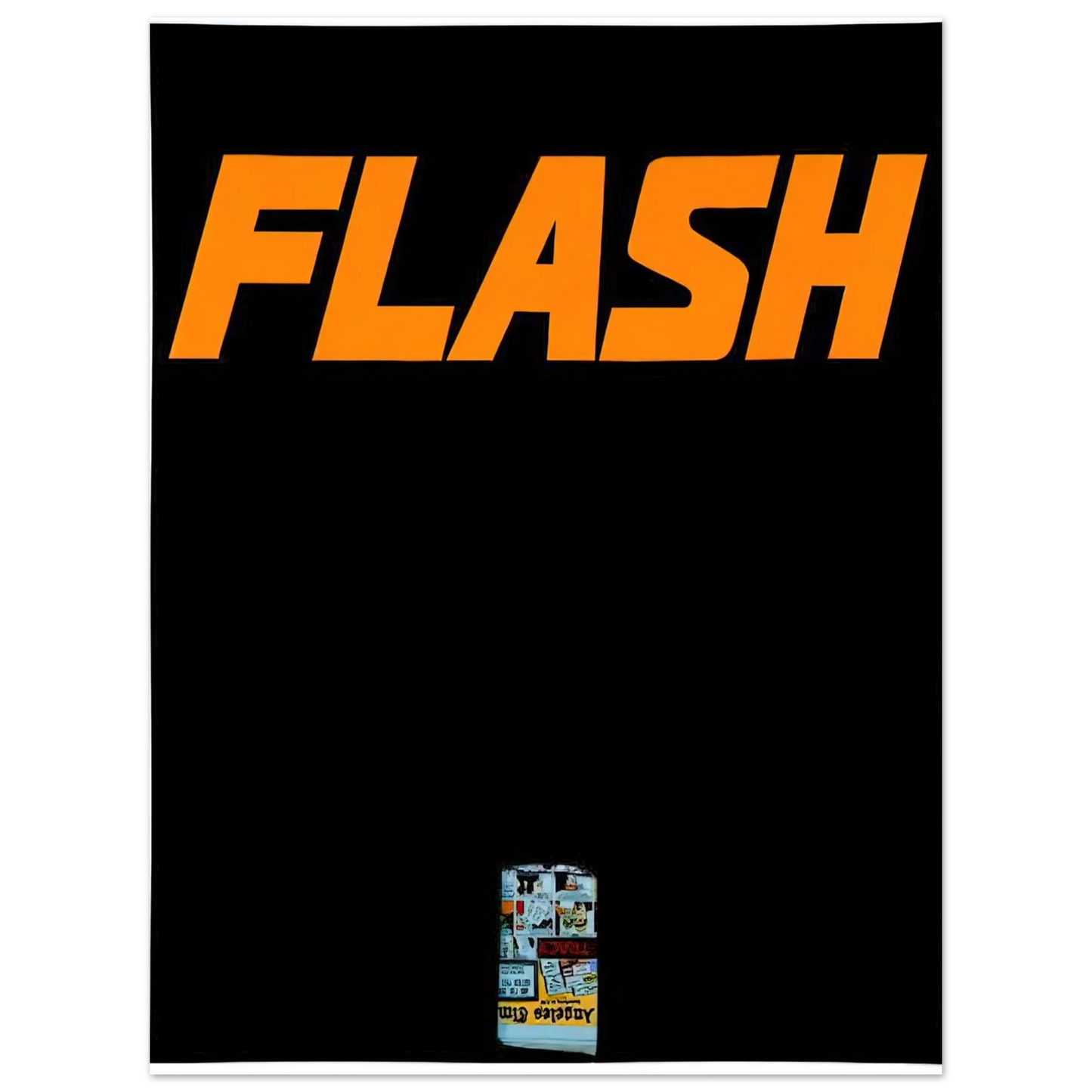
Edward Ruscha - FLASH L A TIMES 1963 75x100 cm / 30x40inches Fine Art Poster
Edward Ruscha - FLASH L A TIMES 1963 75x100 cm / 30x40inches Fine Art Poster
Couldn't load pickup availability
Edward Ruscha "FLASH L A TIMES 1963" - A Monumental Reproduction
Experience the raw energy of Los Angeles in the early 1960s with this striking museum-quality fine art print of Edward Ruscha's iconic "FLASH L A TIMES 1963." Rendered in its original 75x100 cm (30x40 inches) dimension, this artwork captures the ephemeral nature of news and urban spectacle, a hallmark of Ruscha's groundbreaking career. The bold typography, reminiscent of the Los Angeles Times masthead, evokes a sense of immediate impact and journalistic immediacy. This piece is a powerful testament to Ruscha's exploration of vernacular imagery and his significant contribution to Pop Art and conceptual art movements.
RedKalion is proud to present this exquisite reproduction, meticulously crafted on our signature Master's Edition archival paper. This paper boasts a substantial 250 gsm weight (110 lb) and a thickness of 0.29 mm (11.4 mils), providing a luxurious, tangible quality. Its natural white, matte, uncoated finish offers a sophisticated, tactile experience, free from distracting glare. Printed on acid-free, FSC-certified paper, this fine art poster ensures enduring beauty, resisting the yellowing and degradation that plague lesser prints. Each reproduction is printed on demand, guaranteeing that you receive a fresh, high-quality piece of art.
Bring the vibrant spirit and conceptual depth of Edward Ruscha's "FLASH L A TIMES 1963" into your collection. This museum-quality reproduction is more than just wall decor; it's an investment in art history, printed with the utmost care and commitment to archival standards. Elevate your space with a piece that resonates with cultural significance and artistic innovation.
Print Specifications:
- Artwork: Edward Ruscha - "FLASH L A TIMES 1963"
- Dimensions: 75x100 cm / 30x40 inches
- Paper: Master's Edition Archival Paper (Museum-Quality)
- Finish: Matte, Uncoated, Natural White (Off-White)
- Paper Weight: 250 gsm (110 lb)
- Paper Thickness: 0.29 mm (11.4 mils)
- Archival Quality: Acid-Free (pH > 7)
- Sustainability: FSC-Certified Paper
- Fulfillment: Printed and Shipped On Demand
Discover Unlimited Art Possibilities
At RedKalion, you can find virtually any artwork from any artist, available in a wide range of sizes to perfectly match your space.
If you didn’t find what you’re looking for, contact us at support@redkalion.com . We will source any artwork and produce it in any size and format you need, including art prints, posters, canvas, framed pieces, framed canvas, and more.
For dedicated art enthusiasts, we also offer handcrafted replicas of any artwork, carefully painted by highly skilled artists using traditional techniques.
For custom requests, contact us at support@redkalion.com .
What is the artwork "FLASH L A TIMES 1963" by Edward Ruscha about?
This iconic artwork by Edward Ruscha utilizes the bold typography of the Los Angeles Times masthead, capturing the dynamic and often fleeting nature of urban life and media in 1963 Los Angeles.
What makes this a museum-quality fine art print?
This reproduction is printed on Master's Edition archival paper with a substantial 250 gsm weight and a natural white, matte finish, ensuring exceptional detail and longevity.
What are the dimensions of the "FLASH L A TIMES 1963" print?
The fine art poster is available in the original dimensions of 75x100 cm, equivalent to 30x40 inches, offering an authentic display of Ruscha's work.
What type of paper is used for this reproduction?
We use Master's Edition archival paper, which is museum-quality, acid-free, uncoated, and FSC-certified, ensuring a natural white finish and environmental responsibility.
How long will this archival print last?
Due to its acid-free composition (pH above 7) and premium archival paper, this fine art print is designed to resist yellowing and degradation, ensuring lasting visual integrity.
Tell me more about Edward Ruscha's significance.
Edward Ruscha is a pivotal figure in Pop Art and Conceptual Art, known for his innovative use of typography, vernacular imagery, and exploration of Los Angeles culture.
What is the significance of the "FLASH" element in the title?
The word "FLASH" suggests immediacy and a transient event, mirroring Ruscha's interest in capturing the ephemeral nature of everyday urban experiences and news cycles.