
RedKalion
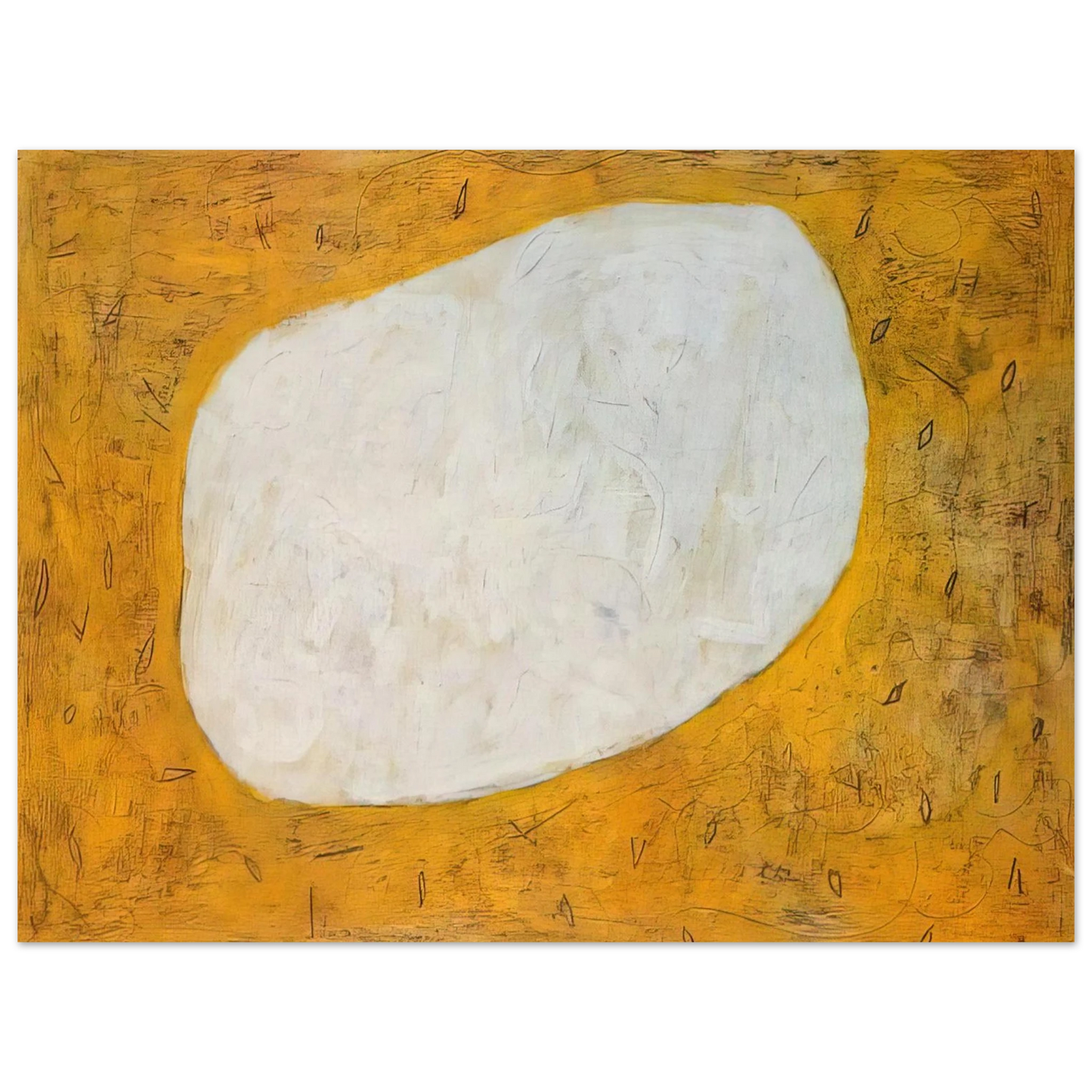
Gene Davis - Homage to Dubuffet I - 1952 75x100 cm / 30x40inches Fine Art Poster
Gene Davis - Homage to Dubuffet I - 1952 75x100 cm / 30x40inches Fine Art Poster
Couldn't load pickup availability
Gene Davis - Homage to Dubuffet I (1952)
Experience the bold energy of mid-century abstraction with this museum-quality fine art print of Gene Davis's "Homage to Dubuffet I" from 1952. This vibrant work, measuring 75x100 cm (30x40 inches), exemplifies Davis's pioneering role in the Washington Color School, where he transformed the canvas into a rhythmic field of color and form. Created as a tribute to Jean Dubuffet, the piece reflects a dialogue between American and European avant-garde movements, blending hard-edged abstraction with raw, expressive undertones.
RedKalion presents this archival reproduction on our exclusive Master's Edition paper, ensuring every detail—from the crisp color bands to the subtle texture—is captured with precision. The matte, uncoated finish in a natural white hue enhances the artwork's visual depth while providing a luxurious, tactile experience. Printed on demand to eliminate waste, this FSC-certified paper is acid-free (pH above 7) to prevent yellowing, guaranteeing your investment endures for generations.
Elevate your space with a piece that bridges art history and contemporary design, offering a statement of sophistication and cultural insight.
Discover Unlimited Art Possibilities
At RedKalion, you can find virtually any artwork from any artist, available in a wide range of sizes to perfectly match your space.
If you didn’t find what you’re looking for, contact us at support@redkalion.com . We will source any artwork and produce it in any size and format you need, including art prints, posters, canvas, framed pieces, framed canvas, and more.
For dedicated art enthusiasts, we also offer handcrafted replicas of any artwork, carefully painted by highly skilled artists using traditional techniques.
For custom requests, contact us at support@redkalion.com .
What are the dimensions and details of this Gene Davis fine art print?
This museum-quality reproduction measures 75x100 cm (30x40 inches), capturing the original 1952 artwork's vibrant abstraction and homage to Dubuffet with archival precision.
What type of paper is used for this archival print?
It's printed on Master's Edition archival paper, featuring a matte, uncoated finish in natural white for a luxurious texture and museum-grade durability.
How does the acid-free paper ensure longevity for this art poster?
The acid-free paper (pH above 7) prevents yellowing over time, making this fine art print a lasting investment for your collection.
What is the weight and thickness of the paper for this reproduction?
The paper is 250 gsm (110 lb) with a thickness of 0.29 mm (11.4 mils), providing a substantial feel suitable for framing and display.
How is this print shipped and is there a minimum order?
We print and ship on demand with no minimum orders, ensuring efficient fulfillment and reduced environmental impact.
What inspired Gene Davis's "Homage to Dubuffet I" in 1952?
Davis created this piece as a tribute to Jean Dubuffet, blending American hard-edged abstraction with European raw art influences, reflecting cross-cultural avant-garde dialogues.
How does this artwork fit into the Washington Color School movement?
As a key figure, Davis used vibrant color bands in this work to explore optical effects and emotional resonance, defining the movement's focus on color field painting.