RedKalion
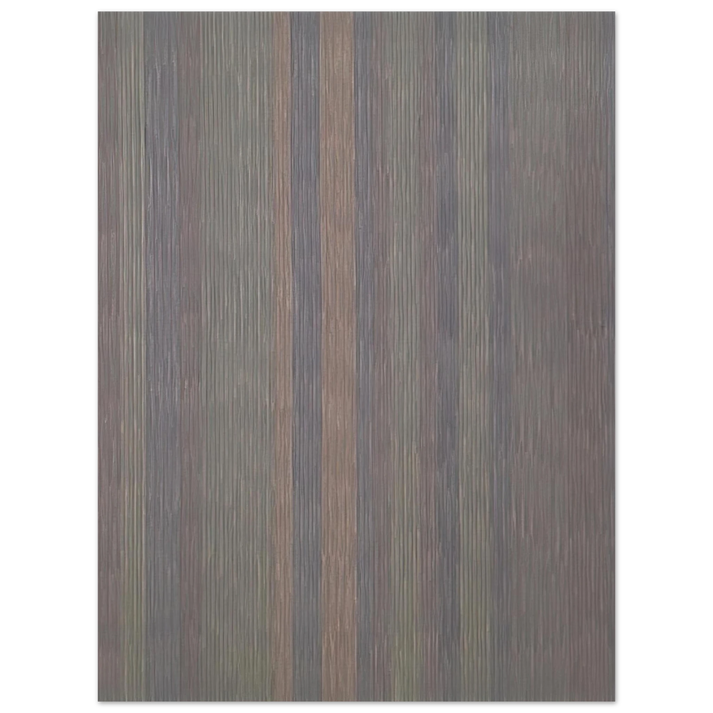
Gene Davis - Pocahontas - 1978 75x100 cm / 30x40inches Fine Art Poster
Gene Davis - Pocahontas - 1978 75x100 cm / 30x40inches Fine Art Poster
Couldn't load pickup availability
Gene Davis - Pocahontas - 1978 Fine Art Print
Experience the vibrant energy of Gene Davis's iconic 1978 masterpiece, Pocahontas, in this museum-quality reproduction from RedKalion. This archival-grade fine art print captures the bold, rhythmic stripes and dynamic color palette that define Davis's signature hard-edge painting style, offering a stunning 75x100 cm (30x40 inches) centerpiece for any contemporary space.
As a leading figure in the Washington Color School, Gene Davis (1920–1985) revolutionized abstract art with his precise, vertical stripe compositions. Pocahontas exemplifies his mastery of color theory and optical effects, where carefully sequenced hues create a pulsating visual rhythm that engages the viewer from every angle. This 1978 work reflects Davis's mature period, where he explored the emotional and perceptual impact of color relationships, making it a historically significant piece for collectors and design enthusiasts alike.
RedKalion's premium reproduction ensures every detail is faithfully rendered on our Master's Edition archival paper, featuring a matte, uncoated finish in a natural white tone that enhances color depth without glare. Crafted from FSC-certified, acid-free paper (pH above 7), this print resists yellowing and deterioration, backed by a substantial 250 gsm (110 lb) weight and 0.29 mm (11.4 mils) thickness for a luxurious, durable feel. Printed and shipped on demand with no minimum orders, each piece arrives ready to elevate your home or office with an enduring touch of artistic legacy.
Elevate your environment with this archival masterpiece that bridges modernist innovation and timeless elegance, curated exclusively by RedKalion for discerning art lovers.

Discover Unlimited Art Possibilities
At RedKalion, you can find virtually any artwork from any artist, available in a wide range of sizes to perfectly match your space.
If you didn’t find what you’re looking for, contact us at support@redkalion.com . We will source any artwork and produce it in any size and format you need, including art prints, posters, canvas, framed pieces, framed canvas, and more.
For dedicated art enthusiasts, we also offer handcrafted replicas of any artwork, carefully painted by highly skilled artists using traditional techniques.
For custom requests, contact us at support@redkalion.com .
What are the dimensions and details of this Gene Davis Pocahontas fine art print?
This museum-quality reproduction measures 75x100 cm (30x40 inches) and faithfully captures Gene Davis's 1978 hard-edge painting with vibrant color stripes on archival paper.
What type of paper is used for this archival art print?
It's printed on Master's Edition archival paper, featuring a matte, uncoated finish in natural white, with FSC-certified, acid-free properties for longevity.
How is this fine art poster shipped and are there order minimums?
We print and ship on demand with no minimum orders, ensuring each piece is custom-made and delivered securely to your location.
What makes this reproduction archival and long-lasting?
The acid-free paper (pH above 7) prevents yellowing, and the 250 gsm weight (0.29 mm thickness) ensures durability for a premium art collection.
Can you describe the finish and texture of this art print?
It has a luxurious matte, uncoated finish on natural white paper, offering a tactile texture that enhances color without glare for display.
What is the historical significance of Gene Davis's Pocahontas from 1978?
This work showcases Davis's mature hard-edge style from the Washington Color School, using vertical stripes to explore color theory and optical rhythm in abstract art.
How does the color palette in Pocahontas reflect Gene Davis's technique?
Davis carefully sequenced hues to create a dynamic, pulsating effect, demonstrating his mastery of color relationships and perceptual impact in 1970s abstract painting.