
RedKalion
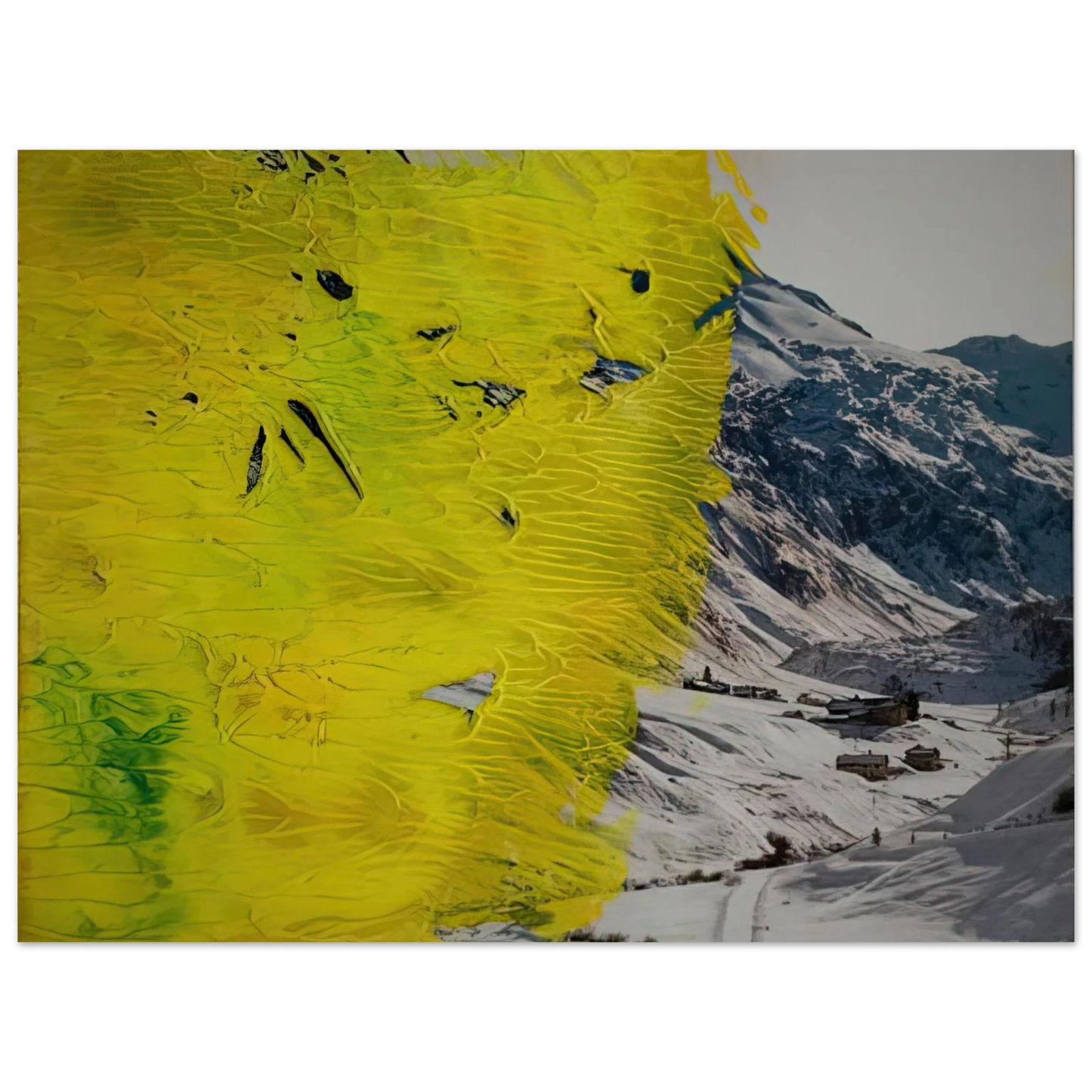
Gerhard Richter - 17 3 92 75x100 cm / 30x40inches Fine Art Poster
Gerhard Richter - 17 3 92 75x100 cm / 30x40inches Fine Art Poster
Couldn't load pickup availability
Gerhard Richter - 17 3 92: A Masterpiece of Abstract Expressionism
Immerse yourself in the profound abstraction of Gerhard Richter's 17 3 92, now available as a museum-quality fine art print from RedKalion. This archival reproduction captures the dynamic interplay of color, texture, and emotion that defines Richter's groundbreaking work from the early 1990s. Measuring 75x100 cm (30x40 inches), this piece offers a commanding presence, perfect for elevating contemporary interiors with its sophisticated, thought-provoking aesthetic.
Richter, a pivotal figure in post-war art, masterfully blends painterly techniques with conceptual depth. 17 3 92 exemplifies his signature 'squeegee' method, where layers of oil paint are scraped across the canvas to create ethereal, blurred effects that evoke memory, perception, and the sublime. This print preserves every nuanced stroke, allowing you to experience the artist's innovative approach to abstraction in your own space.
At RedKalion, we specialize in archival-grade reproductions that honor the integrity of original artworks. This print is produced on our exclusive Master's Edition archival paper, featuring a matte, uncoated finish in a natural white hue for a luxurious, tactile feel. With a weight of 250 gsm (110 lb) and thickness of 0.29 mm (11.4 mils), it ensures durability and a premium presentation. The acid-free composition (pH above 7) guarantees resistance to yellowing, while FSC-certified materials reflect our commitment to sustainability.
Printed and shipped on demand with no minimum orders, this fine art poster combines convenience with uncompromising quality. Elevate your home or office with a piece that bridges historical significance and modern elegance, backed by RedKalion's expertise in curating world-class art reproductions.
Discover Unlimited Art Possibilities
At RedKalion, you can find virtually any artwork from any artist, available in a wide range of sizes to perfectly match your space.
If you didn’t find what you’re looking for, contact us at support@redkalion.com . We will source any artwork and produce it in any size and format you need, including art prints, posters, canvas, framed pieces, framed canvas, and more.
For dedicated art enthusiasts, we also offer handcrafted replicas of any artwork, carefully painted by highly skilled artists using traditional techniques.
For custom requests, contact us at support@redkalion.com .
What are the dimensions and details of the Gerhard Richter - 17 3 92 fine art print?
This museum-quality reproduction measures 75x100 cm (30x40 inches), capturing the original's abstract expressionism with precision. It's printed on archival paper for a durable, premium fine art poster that enhances any space.
What type of paper is used for this archival print?
We use Master's Edition archival paper, a museum-quality, acid-free material with a matte, uncoated finish in natural white. It's 250 gsm (110 lb) and 0.29 mm thick, ensuring longevity and a luxurious texture for your fine art reproduction.
How is this print shipped and are there minimum orders?
This fine art poster is printed and shipped on demand with no minimum orders, offering flexible fulfillment. We ensure careful packaging to protect your museum-quality print during delivery.
Will this print yellow or fade over time?
No, the acid-free paper (pH above 7) prevents yellowing, and archival-quality inks resist fading. This ensures your Gerhard Richter reproduction maintains its vibrant colors and integrity as a long-lasting fine art print.
Is the paper sustainable for this art reproduction?
Yes, the paper is FSC-certified, reflecting RedKalion's commitment to sustainability. This eco-friendly choice supports responsible forestry while delivering a premium museum-quality poster.
What artistic technique did Gerhard Richter use in 17 3 92?
Richter employed his iconic 'squeegee' method, scraping layers of oil paint to create blurred, abstract effects. This technique explores themes of memory and perception, making it a key example of his post-war abstract expressionism.
Why is Gerhard Richter significant in art history?
Gerhard Richter is a leading figure in contemporary art, known for blending photorealism with abstraction. His work, like 17 3 92 from 1992, challenges traditional boundaries and influences modern fine art movements worldwide.