RedKalion
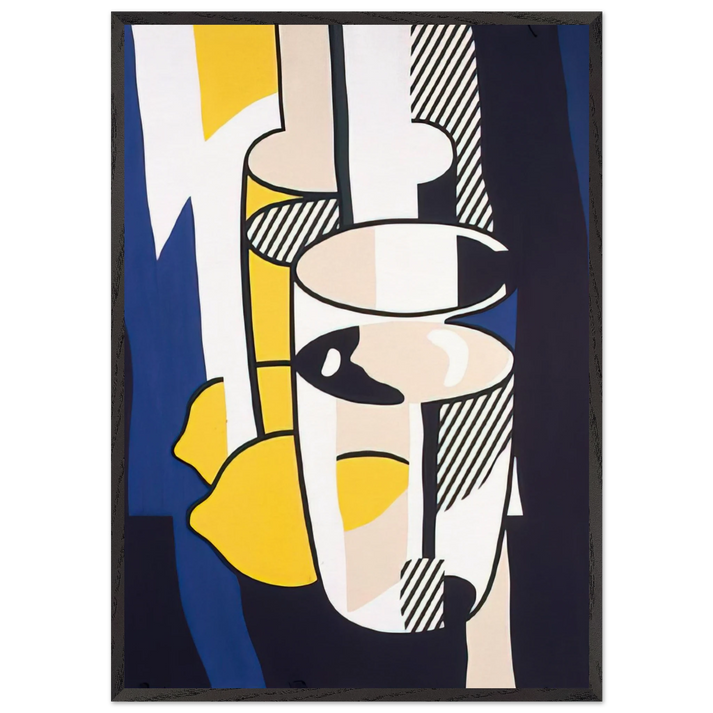
GLASS AND LEMON IN A MIRROR 1974 - Roy Lichtenstein 70x100 cm / 28x40 inches Framed Art Print – Black Wooden Frame
GLASS AND LEMON IN A MIRROR 1974 - Roy Lichtenstein 70x100 cm / 28x40 inches Framed Art Print – Black Wooden Frame
Couldn't load pickup availability
Glass and Lemon in a Mirror (1974) by Roy Lichtenstein
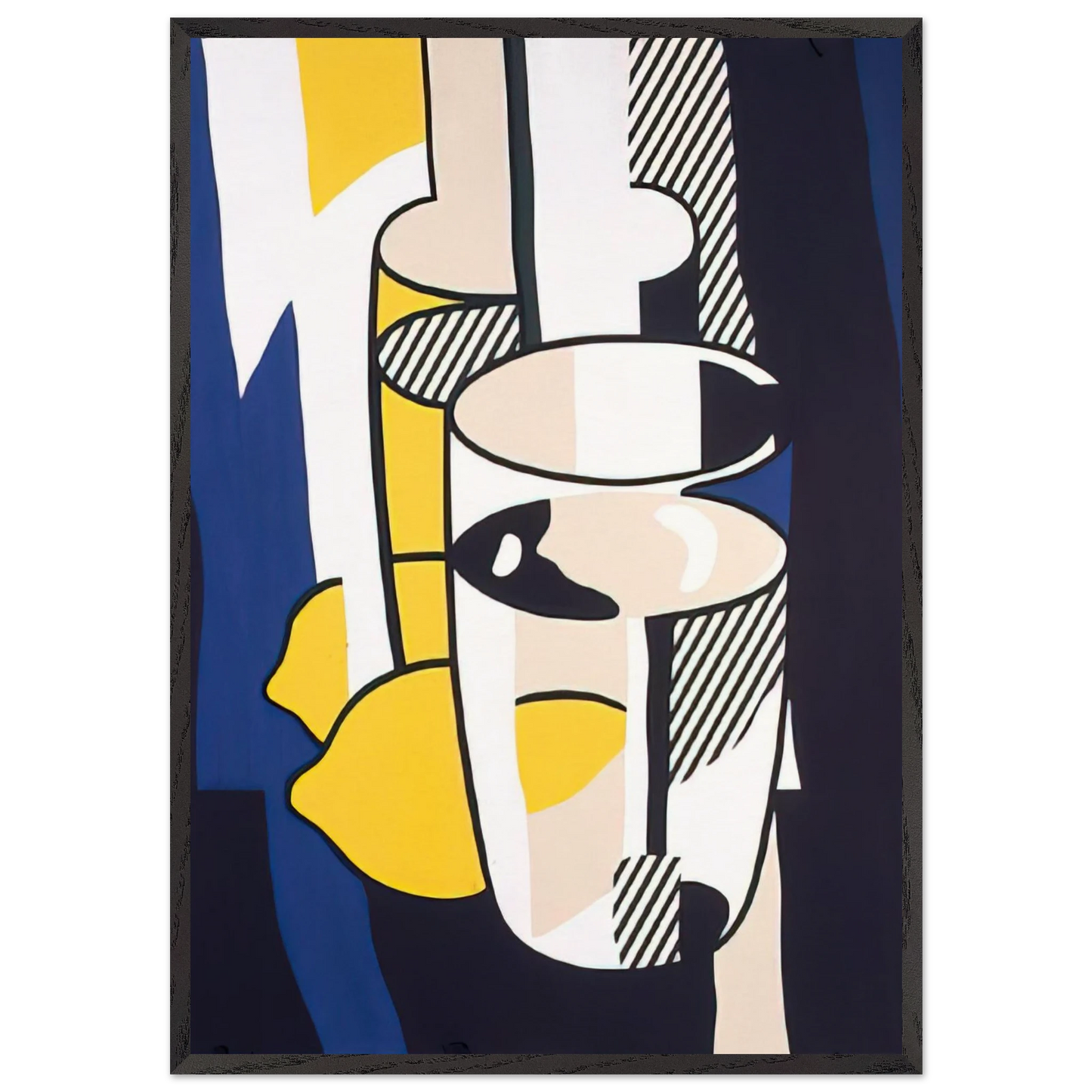
Elevate your space with this museum-quality framed art print of Roy Lichtenstein's "Glass and Lemon in a Mirror" (1974), a striking example of Pop Art that reimagines everyday objects through the artist's iconic comic-strip aesthetic. This archival reproduction captures the bold Ben-Day dots, crisp lines, and vibrant colors that define Lichtenstein's exploration of perception and consumer culture, transforming a simple still life into a commentary on modern visual language.
Expertly printed on 250 gsm (110 lb) matte, uncoated, natural white archival paper with a thickness of 0.29 mm (11.4 mils), this fine art print ensures exceptional durability and color fidelity. The artwork is elegantly presented in a responsibly sourced oak and ash wood frame, measuring 20mm (0.79") thick and wide for a substantial, gallery-worthy presence. Protected by shatterproof plexiglass, it arrives ready-to-hang with a hanging kit included, allowing you to display this masterpiece immediately.
RedKalion specializes in premium reproductions that honor artistic integrity, using FSC-certified sustainable materials to deliver a piece that endures as both a visual statement and a testament to quality craftsmanship.
Discover Unlimited Art Possibilities
At RedKalion, you can find virtually any artwork from any artist, available in a wide range of sizes to perfectly match your space.
If you didn’t find what you’re looking for, contact us at support@redkalion.com . We will source any artwork and produce it in any size and format you need, including art prints, posters, canvas, framed pieces, framed canvas, and more.
For dedicated art enthusiasts, we also offer handcrafted replicas of any artwork, carefully painted by highly skilled artists using traditional techniques.
For custom requests, contact us at support@redkalion.com .
What is the historical significance of "Glass and Lemon in a Mirror" by Roy Lichtenstein?
Created in 1974, this artwork exemplifies Lichtenstein's late Pop Art period, where he deconstructed everyday objects using comic-strip techniques like Ben-Day dots to critique consumerism and visual perception in modern culture.
How does the frame enhance this Roy Lichtenstein art print?
The 20mm (0.79") thick black wooden frame, made from responsibly sourced oak and ash, provides a sturdy, gallery-style border that complements the bold aesthetics of this museum-quality reproduction.
What are the specifications of the paper used for this fine art print?
This archival print uses 250 gsm (110 lb) matte, uncoated, natural white paper with a thickness of 0.29 mm (11.4 mils), ideal for long-lasting color accuracy and a premium feel.
Is this framed art print ready to hang upon delivery?
Yes, it includes a hanging kit and is ready-to-hang directly on your wall, ensuring easy installation for immediate display of this Roy Lichtenstein masterpiece.
How does the shatterproof plexiglass protect this Pop Art reproduction?
The shatterproof plexiglass shields the print from dust, UV light, and damage, preserving the vibrant colors and details of this archival-quality artwork for years.
What sustainable materials are used in this product?
We use FSC-certified or equivalent sustainable paper and responsibly sourced wood for the frame, aligning with eco-friendly practices for this premium art print.
How does Lichtenstein's technique in this artwork reflect Pop Art themes?
Lichtenstein employs Ben-Day dots and bold outlines to mimic mass printing, turning a mundane still life into a commentary on art reproduction and consumer culture in the 1970s.