

RedKalion
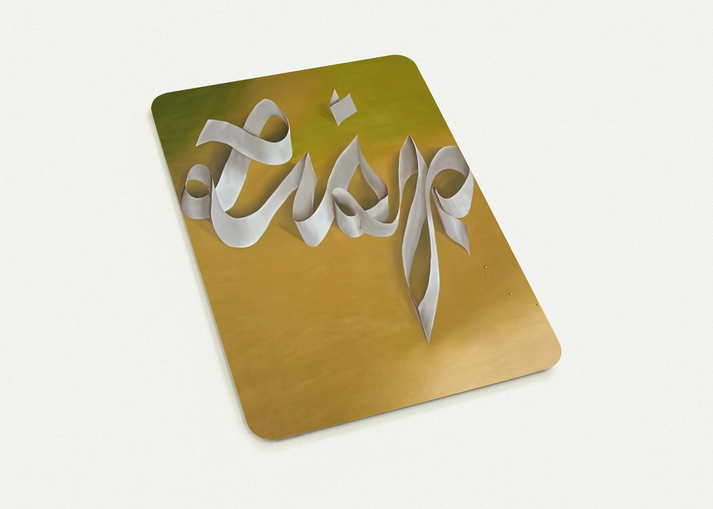
LISP 1968 By Edward Ruscha Pack of 10 Post Cards | Edward Ruscha Post Cards | A6 (10.5 x 14.8 cm) - 4.1 x 5.8 inches
LISP 1968 By Edward Ruscha Pack of 10 Post Cards | Edward Ruscha Post Cards | A6 (10.5 x 14.8 cm) - 4.1 x 5.8 inches
Couldn't load pickup availability
LISP 1968 By Edward Ruscha: A Pack of 10 Post Cards
Own a piece of conceptual art history with this exclusive pack of 10 post cards featuring Edward Ruscha's iconic 1968 work, LISP. This museum-quality reproduction captures Ruscha's minimalist aesthetic and dry wit, making it a perfect fine art print for collectors and enthusiasts alike. Each post card in this set is a faithful archival-grade reproduction, printed with our advanced 12-color fine art printing technology to ensure vivid, accurate colors with stunning depth that surpasses standard 4-color inkjet prints.
As a leading figure in the Pop Art and Conceptual Art movements, Edward Ruscha revolutionized art in the 1960s with his deadpan depictions of everyday objects and text. LISP exemplifies his fascination with language and typography, using the word "LISP" in a sleek, sans-serif font to explore themes of communication and ambiguity. This work reflects Ruscha's background in commercial art and his influence from the Los Angeles art scene, offering a glimpse into an era that challenged traditional artistic norms. Elevate your correspondence or display with these post cards, each printed on environmentally conscious, FSC-certified paper with a smooth matte finish for a clean, glare-free look.
- Pack Details: Includes 10 flat post cards, perfect for any occasion—from personal notes to unique gifts.
- Size: Each post card measures A6 (10.5 x 14.8 cm / 4.1 x 5.8 inches), ideal for framing or mailing.
- Paper Quality: Crafted from 200 gsm (80 lb) paper with a thickness of 0.26 mm (10.3 mils), ensuring durability and a premium feel.
- Printing Excellence: Produced on-demand with no minimum orders, using eco-friendly materials for a sustainable art experience.
At RedKalion, we specialize in curating world-class reproductions that honor the integrity of original artworks. Trust in our expertise to bring this archival masterpiece into your home or studio, where it can inspire and endure for years to come.


Discover Unlimited Art Possibilities
At RedKalion, you can find virtually any artwork from any artist, available in a wide range of sizes to perfectly match your space.
If you didn’t find what you’re looking for, contact us at support@redkalion.com . We will source any artwork and produce it in any size and format you need, including art prints, posters, canvas, framed pieces, framed canvas, and more.
For dedicated art enthusiasts, we also offer handcrafted replicas of any artwork, carefully painted by highly skilled artists using traditional techniques.
For custom requests, contact us at support@redkalion.com .
What is the historical significance of Edward Ruscha's LISP 1968?
LISP 1968 is a key work from Edward Ruscha's conceptual art period, showcasing his use of text and minimalist design to explore language and pop culture in 1960s America, making it a valuable fine art print for collectors.
What are the exact dimensions of each post card in this pack?
Each post card measures A6 size: 10.5 x 14.8 cm or 4.1 x 5.8 inches, perfect for framing or as a museum-quality reproduction for mailing.
What type of paper is used for these post cards?
They are printed on 200 gsm (80 lb) FSC-certified paper with a smooth matte finish and 0.26 mm thickness, ensuring an eco-friendly and archival-grade reproduction.
How does the printing technology ensure color accuracy?
Our 12-color fine art printing delivers vivid, accurate colors with stunning depth, far beyond standard 4-color inkjet prints, for a premium Edward Ruscha post card set.
Are these post cards printed on demand?
Yes, they are printed on demand with no minimum orders, allowing for a personalized and sustainable art purchase from RedKalion.
Can I use these post cards for mailing or are they only for display?
These flat post cards are designed for both mailing and display, making them versatile for any occasion as part of a fine art print collection.
How does Edward Ruscha's background influence the LISP artwork?
Ruscha's commercial art training and Los Angeles roots infuse LISP with a sleek, typographic style that challenges traditional art forms, reflecting his role in conceptual art history.