RedKalion
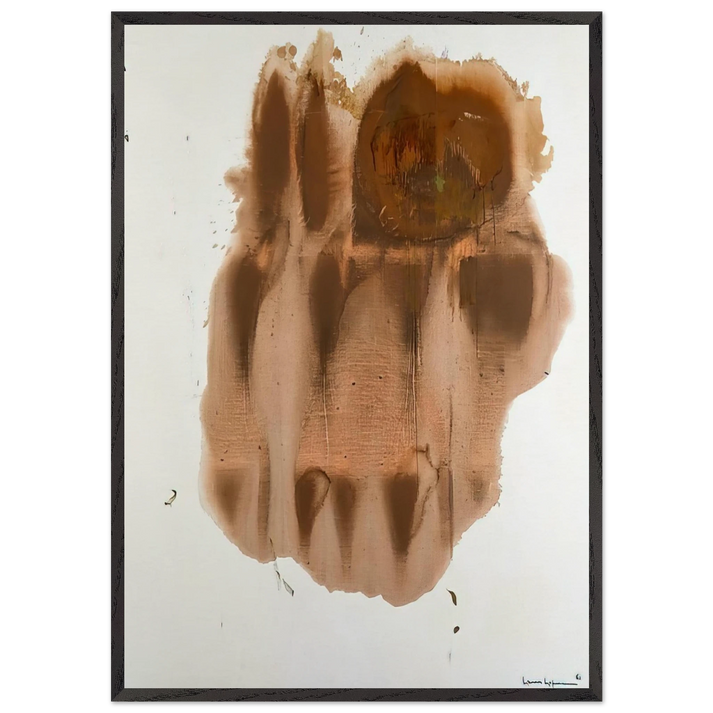
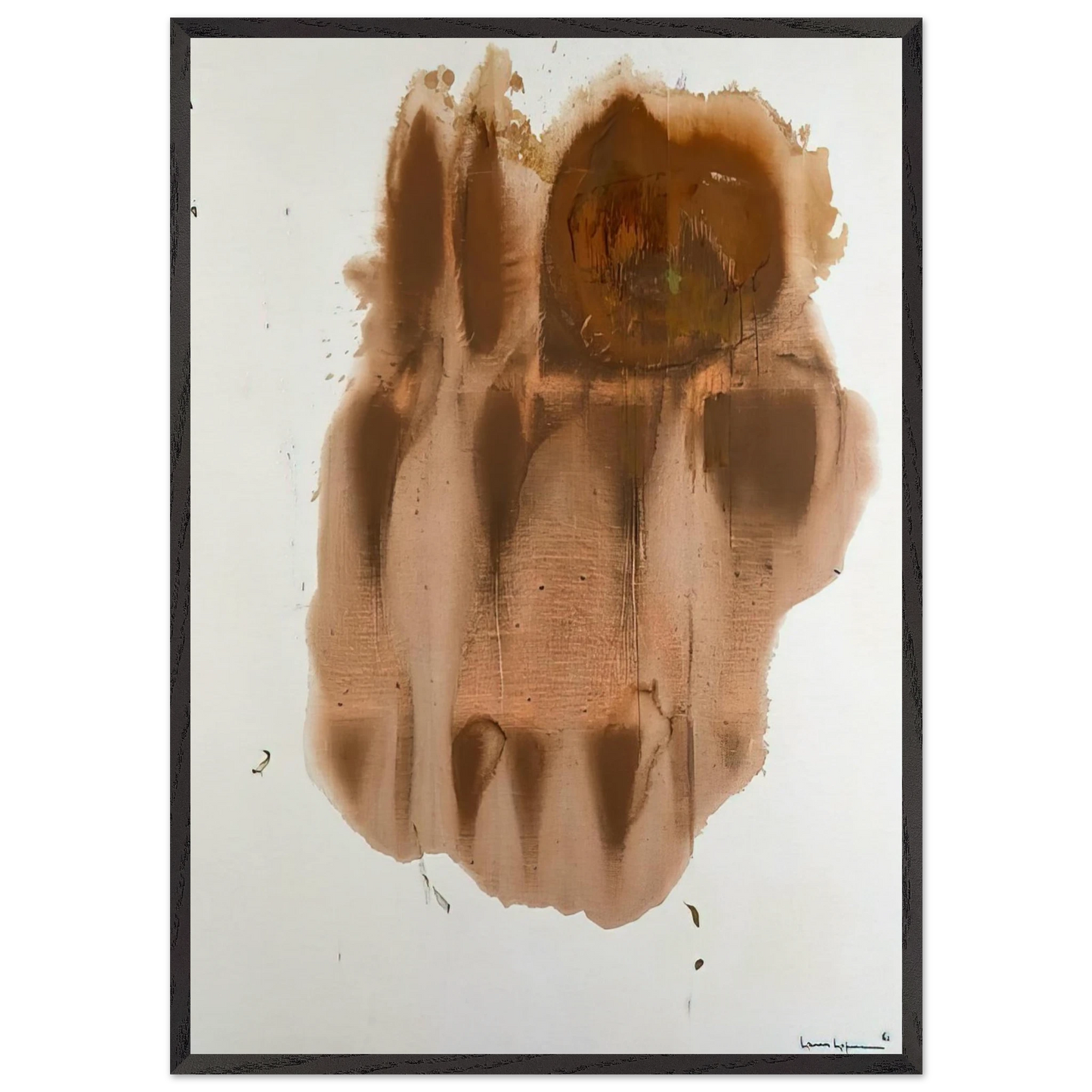
Little Cherry - Hans Hofmann 70x100 cm / 28x40 inches Framed Art Print – Black Wooden Frame
Little Cherry - Hans Hofmann 70x100 cm / 28x40 inches Framed Art Print – Black Wooden Frame
Couldn't load pickup availability
Little Cherry by Hans Hofmann: A Modernist Masterpiece
Experience the vibrant energy of Abstract Expressionism with Hans Hofmann's "Little Cherry"—a museum-quality art print that captures the artist's revolutionary push-pull technique. This 70x100 cm (28x40 inches) framed reproduction brings Hofmann's dynamic color interactions and geometric forms into your space, offering a bold statement piece that bridges mid-century innovation with contemporary elegance.
Art Historical Significance
Hans Hofmann (1880–1966) was a pivotal figure in American Abstract Expressionism, renowned for his theory of "push and pull," where colors and shapes create spatial tension without traditional perspective. "Little Cherry" exemplifies this approach, with its playful yet structured composition reflecting Hofmann's dual influence as both a European modernist and a New York School pioneer. This fine art print preserves the chromatic intensity and formal balance that made Hofmann a teacher to giants like Helen Frankenthaler and Lee Krasner.
Premium Framed Art Print Specifications
RedKalion's archival reproduction ensures lasting beauty and durability:
- Frame: Crafted from responsibly sourced oak and ash wood, this black wooden frame measures 20mm (0.79") thick and wide—sturdier than classic 14mm frames—for a substantial, gallery-ready presence.
- Print Protection: Shatterproof plexiglass safeguards the artwork against dust, UV rays, and impact, maintaining clarity without the risk of glass breakage.
- Paper Quality: Printed on 250 gsm (110 lb) matte, uncoated archival museum-quality paper with a natural white finish and 0.29 mm (11.4 mils) thickness, ensuring rich color fidelity and resistance to fading.
- Sustainability: Produced with FSC-certified or equivalent sustainable materials, aligning with eco-conscious art collecting.
- Ready to Hang: Includes a pre-installed hanging kit for immediate display upon arrival.
Elevate your home or office with this framed art print, a testament to RedKalion's commitment to curating world-class reproductions that honor artistic legacy while offering modern practicality.
Discover Unlimited Art Possibilities
At RedKalion, you can find virtually any artwork from any artist, available in a wide range of sizes to perfectly match your space.
If you didn’t find what you’re looking for, contact us at support@redkalion.com . We will source any artwork and produce it in any size and format you need, including art prints, posters, canvas, framed pieces, framed canvas, and more.
For dedicated art enthusiasts, we also offer handcrafted replicas of any artwork, carefully painted by highly skilled artists using traditional techniques.
For custom requests, contact us at support@redkalion.com .
What are the dimensions of the framed "Little Cherry" print?
The framed Hans Hofmann art print measures 70x100 cm (28x40 inches), with a 20mm thick black wooden frame, making it a substantial ready-to-hang piece for any room.
What type of paper is used for this museum-quality reproduction?
We use 250 gsm (110 lb) matte, uncoated archival museum-quality paper with a natural white finish and 0.29 mm thickness, ideal for fine art prints that resist fading.
How is the print protected in the frame?
It features shatterproof plexiglass, which protects against UV rays and damage while offering a clear view, ensuring your framed art print remains pristine.
Is the frame sustainably sourced?
Yes, the black wooden frame is made from responsibly sourced oak and ash wood, and the paper is FSC-certified or equivalent, supporting eco-friendly art collecting.
Does it come ready to hang?
Absolutely! This ready-to-hang framed print includes a pre-installed hanging kit, so you can display it directly on your wall upon arrival.
What is Hans Hofmann's "push and pull" technique in "Little Cherry"?
Hofmann's "push and pull" theory uses contrasting colors and shapes to create spatial depth without perspective, evident in "Little Cherry" through its dynamic geometric forms and vibrant hues.
How does this print reflect Abstract Expressionism?
"Little Cherry" embodies Abstract Expressionism with its bold, non-representational composition and emotional color interactions, showcasing Hofmann's influence on the mid-century New York art scene.