RedKalion
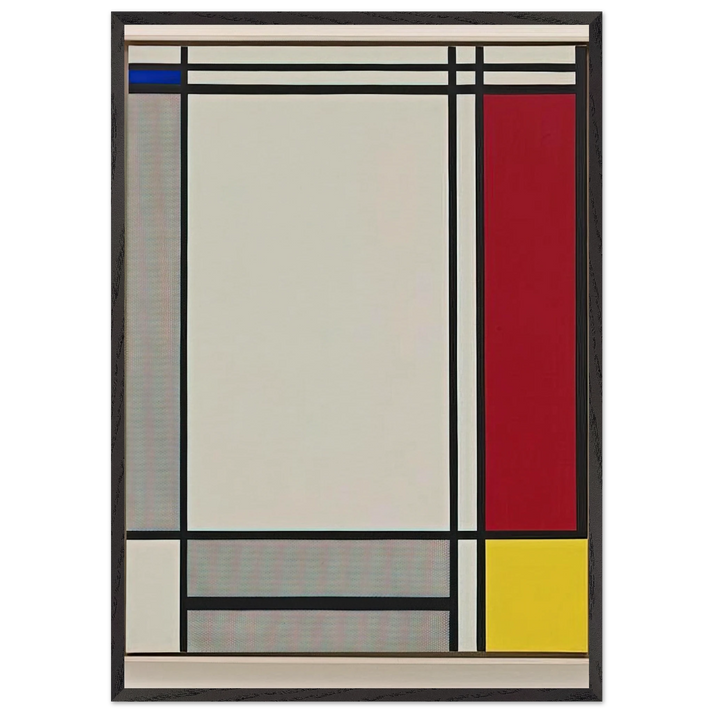
NON OBJECTIVE I 1964 - Roy Lichtenstein 70x100 cm / 28x40 inches Framed Art Print – Black Wooden Frame
NON OBJECTIVE I 1964 - Roy Lichtenstein 70x100 cm / 28x40 inches Framed Art Print – Black Wooden Frame
Couldn't load pickup availability
NON OBJECTIVE I 1964 - Roy Lichtenstein Framed Art Print
Own a piece of Pop Art history with this museum-quality framed print of Roy Lichtenstein's NON OBJECTIVE I 1964. This iconic work exemplifies Lichtenstein's bold exploration of abstraction, blending his signature comic-inspired aesthetic with geometric precision. The piece captures the vibrant energy of the 1960s art scene, making it a sophisticated statement for modern interiors.
RedKalion presents this archival reproduction on premium 250 gsm (110 lb) matte, uncoated paper, ensuring rich color fidelity and a tactile, gallery-worthy finish. The print is elegantly framed in a black wooden frame crafted from responsibly sourced oak and ash wood, with a substantial 20mm (0.79") thickness that adds depth and presence. Protected by shatterproof plexiglass, it arrives ready-to-hang with a complete hanging kit, allowing you to elevate your space instantly.
Art Historical Insight: Lichtenstein, a leading figure in the Pop Art movement, often drew from commercial imagery, but in NON OBJECTIVE I 1964, he pivoted to pure abstraction. This work reflects his mastery of Ben-Day dots and hard-edged lines, techniques borrowed from printing processes to challenge traditional notions of high art. It's a testament to his innovative spirit during a transformative era.
Why Choose RedKalion? As curators of fine art reproductions, we combine rigorous art historical expertise with sustainable practices. Our FSC-certified materials and archival standards ensure your print remains vibrant for generations. Trust in our commitment to quality—each piece is a durable, ethically crafted masterpiece designed to inspire.

Discover Unlimited Art Possibilities
At RedKalion, you can find virtually any artwork from any artist, available in a wide range of sizes to perfectly match your space.
If you didn’t find what you’re looking for, contact us at support@redkalion.com . We will source any artwork and produce it in any size and format you need, including art prints, posters, canvas, framed pieces, framed canvas, and more.
For dedicated art enthusiasts, we also offer handcrafted replicas of any artwork, carefully painted by highly skilled artists using traditional techniques.
For custom requests, contact us at support@redkalion.com .
What are the dimensions of this Roy Lichtenstein framed art print?
This fine art print measures 70x100 cm (28x40 inches) and is framed in a black wooden frame with a 20mm (0.79") thickness, offering a substantial presence for your wall decor.
What type of paper is used for this museum-quality reproduction?
We use 250 gsm (110 lb) matte, uncoated, natural white archival paper with a thickness of 0.29 mm (11.4 mils), ideal for premium fine art prints that resist fading.
Is this framed print ready to hang upon delivery?
Yes, it arrives ready-to-hang with a complete hanging kit included, so you can display this Roy Lichtenstein artwork immediately without additional setup.
How durable and sustainable is this framed art print?
The print features shatterproof plexiglass protection and FSC-certified sustainable materials, ensuring long-lasting archival quality and eco-friendly craftsmanship.
What makes the frame on this Lichtenstein print unique?
The frame is made from responsibly sourced oak and ash wood, with a 20mm (0.79") width that is wider than classic 14mm frames, adding enhanced durability and style.
What is the historical significance of NON OBJECTIVE I 1964 by Roy Lichtenstein?
This artwork marks Lichtenstein's shift into abstraction during the 1960s Pop Art movement, using Ben-Day dots and geometric forms to challenge traditional art boundaries.
How does Lichtenstein's technique in this piece reflect his artistic style?
He employs hard-edged lines and comic-inspired Ben-Day dots, techniques derived from commercial printing, to create a vibrant, mechanically precise abstract composition.