RedKalion
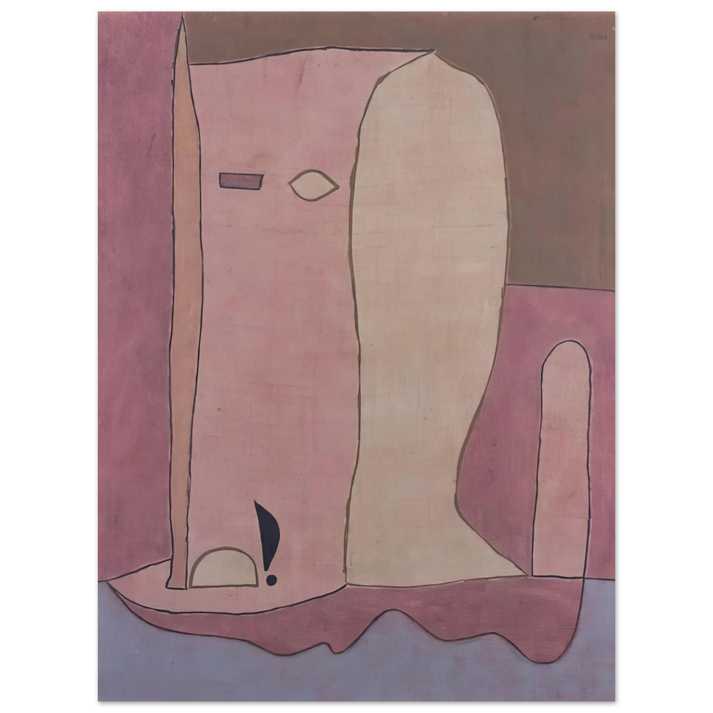
Paul Klee - GARDEN FIGURE 1940 75x100 cm / 30x40inches Fine Art Poster
Paul Klee - GARDEN FIGURE 1940 75x100 cm / 30x40inches Fine Art Poster
Couldn't load pickup availability
Paul Klee - GARDEN FIGURE (1940): A Masterpiece of Modernist Abstraction
Immerse yourself in the whimsical yet profound world of Paul Klee with this museum-quality fine art print of GARDEN FIGURE (1940). Measuring 75x100 cm (30x40 inches), this archival reproduction captures every nuance of Klee's late-career genius, where playful forms meet deep symbolic introspection. As a pinnacle of modernist art, this piece blends surrealism, cubism, and expressionism into a harmonious visual poem that invites endless contemplation.
Klee, a master of the Bauhaus movement, employed a unique technique of layering translucent colors and delicate lines to create ethereal, dreamlike compositions. In GARDEN FIGURE, he explores themes of nature, mythology, and the subconscious, using abstract shapes to evoke a serene, almost mystical garden scene. This print preserves the subtle tonal variations and intricate details that define Klee's artistic legacy, making it a captivating centerpiece for any art lover's collection.
RedKalion presents this premium reproduction on our exclusive Master's Edition archival paper, ensuring a luxurious matte finish with an uncoated, natural white (off-white) surface that enhances texture and depth. Crafted from FSC-certified, acid-free materials (pH above 7), it resists yellowing and degradation, offering enduring beauty for generations. With a substantial weight of 250 gsm (110 lb) and thickness of 0.29 mm (11.4 mils), this fine art poster delivers a tactile, gallery-worthy presence. Printed and shipped on demand with no minimum orders, each piece is a testament to our commitment to quality and accessibility.
Elevate your home or office with this archival masterpiece, where art history meets impeccable craftsmanship. Trust RedKalion for curated reproductions that honor the integrity of original artworks while providing lasting value.

Discover Unlimited Art Possibilities
At RedKalion, you can find virtually any artwork from any artist, available in a wide range of sizes to perfectly match your space.
If you didn’t find what you’re looking for, contact us at support@redkalion.com . We will source any artwork and produce it in any size and format you need, including art prints, posters, canvas, framed pieces, framed canvas, and more.
For dedicated art enthusiasts, we also offer handcrafted replicas of any artwork, carefully painted by highly skilled artists using traditional techniques.
For custom requests, contact us at support@redkalion.com .
What are the dimensions and details of this Paul Klee fine art print?
This museum-quality reproduction measures 75x100 cm (30x40 inches), capturing Paul Klee's GARDEN FIGURE (1940) with precise detail and vibrant color accuracy, perfect for modernist art enthusiasts.
What type of paper is used for this archival art print?
It's printed on Master's Edition archival paper, featuring a matte, uncoated, natural white finish for a luxurious texture that enhances the artwork's depth and longevity.
How is this print shipped and are there minimum order requirements?
We offer on-demand printing with no minimum orders, ensuring fast fulfillment and careful packaging for secure delivery of your premium art poster.
What makes this print archival and resistant to yellowing?
Crafted from acid-free paper with a pH above 7, this FSC-certified reproduction prevents yellowing over time, guaranteeing a durable, museum-quality art print.
What is the weight and thickness of the paper for this fine art poster?
The paper weighs 250 gsm (110 lb) with a thickness of 0.29 mm (11.4 mils), providing a substantial, premium feel ideal for framing and display.
What artistic techniques did Paul Klee use in GARDEN FIGURE (1940)?
Klee employed layered translucent colors and delicate lines, blending surrealism and abstraction to create a dreamlike garden scene that reflects his late-career symbolism.
Why is GARDEN FIGURE significant in Paul Klee's body of work?
As a 1940 piece, it showcases Klee's mature style, exploring nature and mythology through abstract forms during a pivotal period in modernist art history.