
RedKalion
Paul Klee - PASTORAL RHYTHMS 1927 75x100 cm / 30x40inches Fine Art Poster
Paul Klee - PASTORAL RHYTHMS 1927 75x100 cm / 30x40inches Fine Art Poster
Couldn't load pickup availability
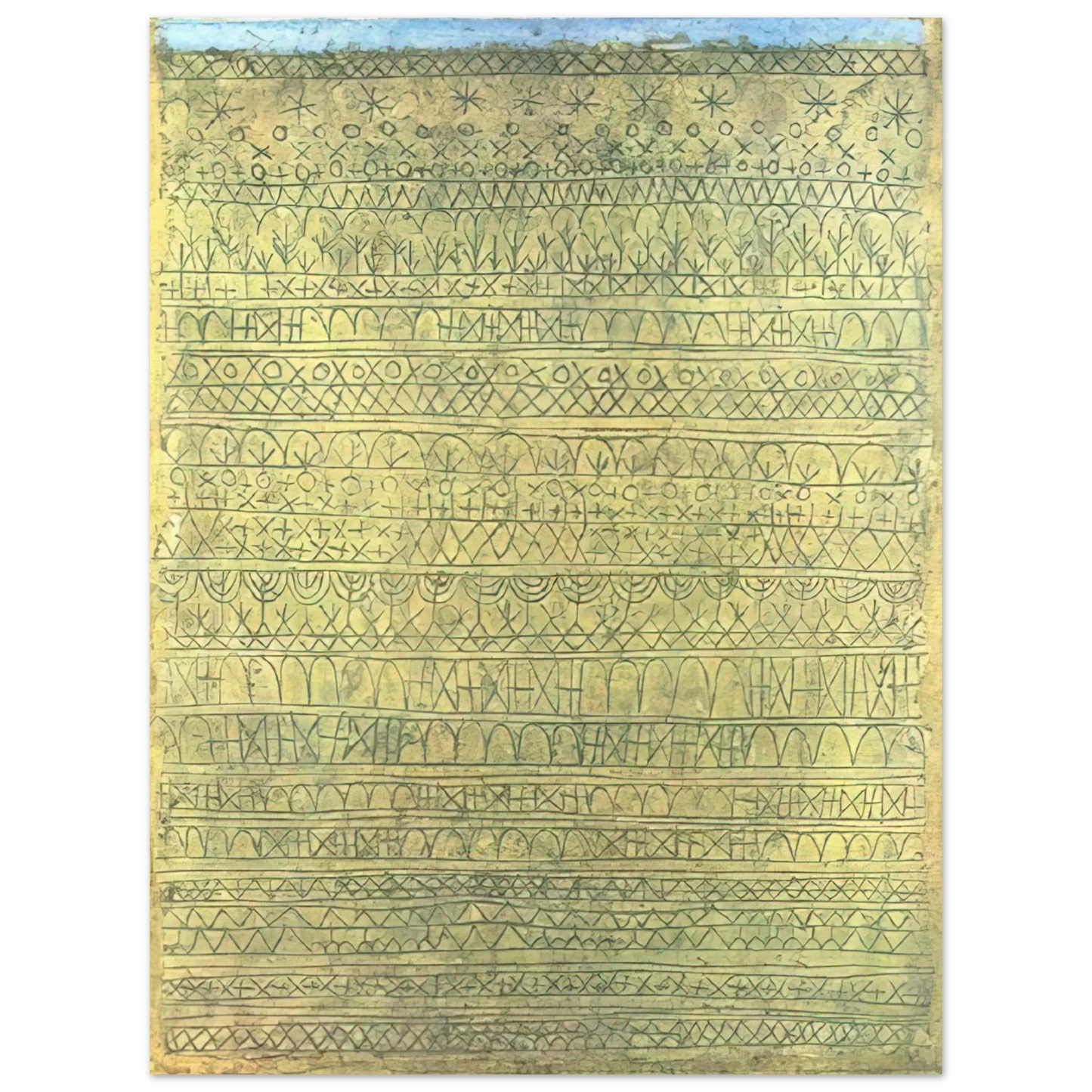
Paul Klee - PASTORAL RHYTHMS 1927: A Masterpiece of Abstract Modernism
Immerse yourself in the whimsical yet profound world of Paul Klee with this museum-quality reproduction of PASTORAL RHYTHMS (1927). This iconic work exemplifies Klee's unique synthesis of abstraction, color theory, and musicality, capturing the rhythmic harmony of nature through geometric forms and a vibrant palette. As a leading figure of the Bauhaus movement, Klee infused this piece with a poetic sensibility that transcends mere representation, inviting contemplation and delight.
RedKalion presents this archival-grade fine art print on Master's Edition archival paper, ensuring every subtle hue and intricate line is preserved with exceptional fidelity. The matte, uncoated finish in a natural white tone enhances the artwork's texture and depth, mirroring the tactile quality of original works. Crafted from acid-free (pH above 7), FSC-certified paper at 250 gsm (110 lb) and 0.29 mm (11.4 mils) thickness, this reproduction is designed to resist yellowing and endure for generations, offering a sustainable and luxurious addition to any space.
Elevate your home or office with a piece that blends historical significance with contemporary elegance. This on-demand print, available in 75x100 cm / 30x40 inches, arrives ready to frame, bringing Klee's visionary artistry into your daily life without compromise.
Discover Unlimited Art Possibilities
At RedKalion, you can find virtually any artwork from any artist, available in a wide range of sizes to perfectly match your space.
If you didn’t find what you’re looking for, contact us at support@redkalion.com . We will source any artwork and produce it in any size and format you need, including art prints, posters, canvas, framed pieces, framed canvas, and more.
For dedicated art enthusiasts, we also offer handcrafted replicas of any artwork, carefully painted by highly skilled artists using traditional techniques.
For custom requests, contact us at support@redkalion.com .
What is the historical significance of Paul Klee's PASTORAL RHYTHMS (1927)?
PASTORAL RHYTHMS reflects Klee's Bauhaus-era exploration of abstraction and musicality, using geometric shapes and vibrant colors to evoke nature's rhythms, making it a key example of early 20th-century modern art.
What details make this fine art print museum-quality?
This reproduction uses Master's Edition archival paper with a matte finish and acid-free properties, ensuring high fidelity and longevity for a premium art print experience.
What are the specifications of the paper used for this art poster?
The paper is 250 gsm (110 lb), 0.29 mm thick, FSC-certified, and features a natural white matte finish for a luxurious texture in this archival art reproduction.
How is this print shipped and is there a minimum order?
We offer on-demand printing with no minimum orders, and each piece is carefully packaged and shipped directly to you for convenience.
How long will this archival print last without yellowing?
With acid-free paper (pH above 7), this print resists yellowing over time, ensuring your museum-quality reproduction remains vibrant for decades.
How did Klee incorporate musical elements into PASTORAL RHYTHMS?
Klee, influenced by his background as a violinist, used rhythmic patterns and harmonious color transitions to mimic musical compositions, creating a visual symphony in this abstract artwork.
What is the symbolism behind the geometric forms in this piece?
The geometric shapes represent Klee's abstract interpretation of pastoral landscapes, blending organic and structured elements to convey balance and natural harmony in modern art.