RedKalion
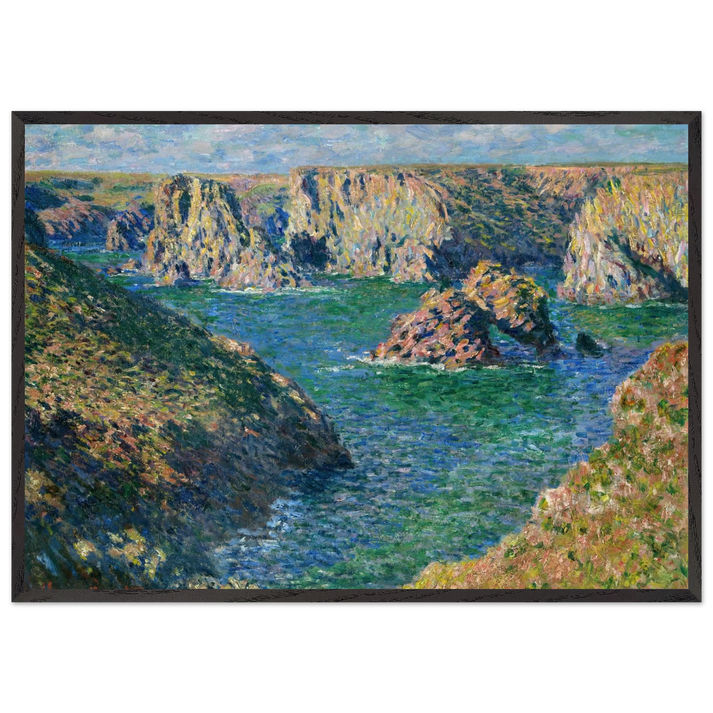
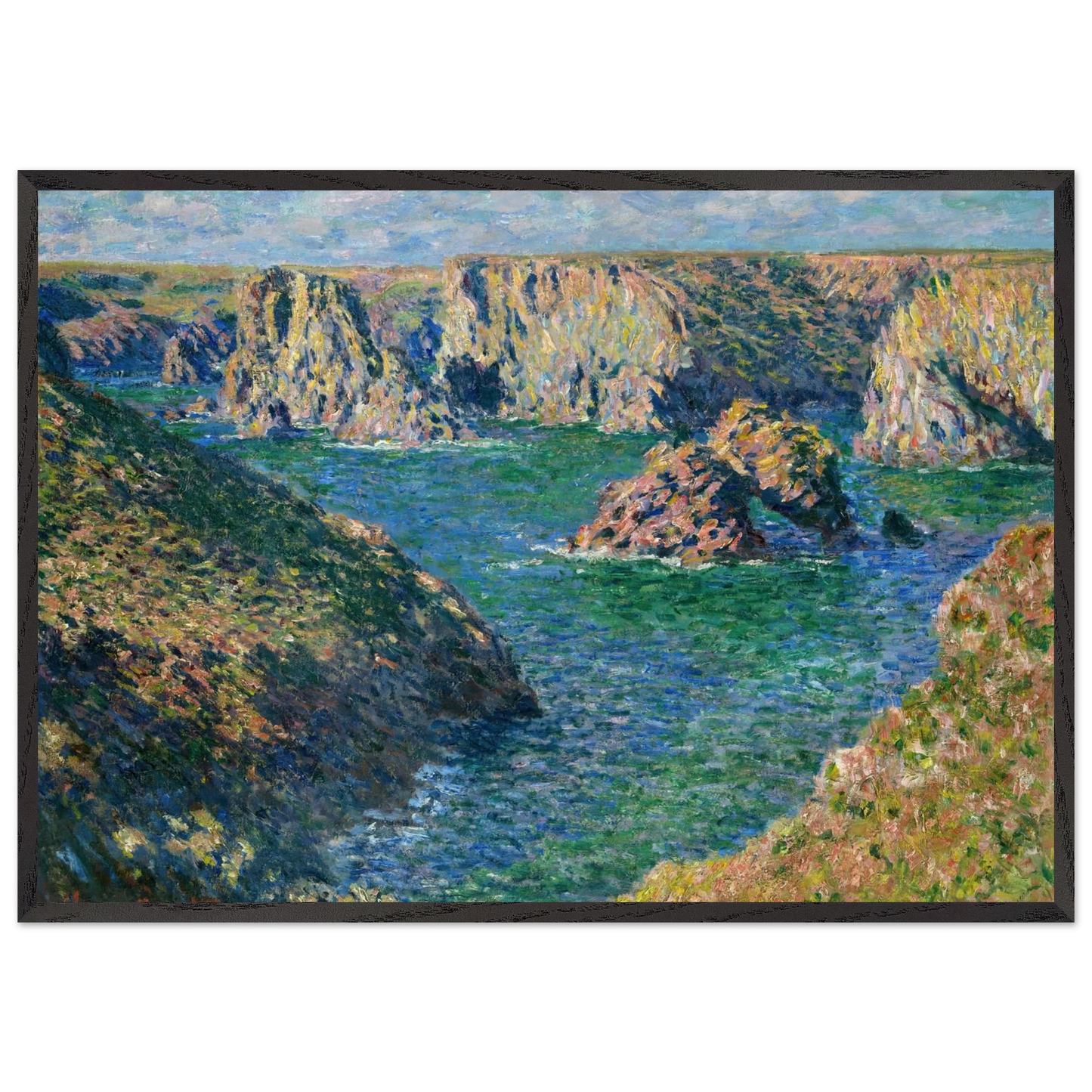
Port Donnant Belle Ile - claude monet 70x100 cm / 28x40 inches Framed Art Print – Black Wooden Frame
Port Donnant Belle Ile - claude monet 70x100 cm / 28x40 inches Framed Art Print – Black Wooden Frame
Couldn't load pickup availability
Port Donnant Belle Île - Claude Monet Framed Art Print
Immerse yourself in the dramatic coastal beauty of Belle-Île-en-Mer with this museum-quality framed art print of Claude Monet's "Port Donnant Belle Île". Painted in 1886 during Monet's transformative visit to the rugged Breton coast, this masterpiece captures the raw power of the Atlantic Ocean against the island's cliffs, showcasing his pioneering Impressionist technique of capturing light and movement. The choppy sea and overcast sky reflect Monet's fascination with nature's ever-changing moods, making this a timeless piece that evokes a sense of serene drama and artistic innovation.
RedKalion presents this archival-grade reproduction on 250 gsm (110 lb) matte, uncoated, natural white paper, ensuring vibrant color fidelity and a texture that honors the original brushwork. The print is elegantly framed in a 20mm (0.79") thick black wooden frame crafted from responsibly sourced oak and ash wood, offering a wider, more substantial profile than classic 14mm frames. Protected by shatterproof plexiglass and including a ready-to-hang kit, this 70x100 cm / 28x40 inches framed art print arrives fully prepared to elevate your home or office with a piece of art history. Choose RedKalion for premium reproductions that blend expert curation with sustainable, FSC-certified materials.
Discover Unlimited Art Possibilities
At RedKalion, you can find virtually any artwork from any artist, available in a wide range of sizes to perfectly match your space.
If you didn’t find what you’re looking for, contact us at support@redkalion.com . We will source any artwork and produce it in any size and format you need, including art prints, posters, canvas, framed pieces, framed canvas, and more.
For dedicated art enthusiasts, we also offer handcrafted replicas of any artwork, carefully painted by highly skilled artists using traditional techniques.
For custom requests, contact us at support@redkalion.com .
What are the dimensions and framing details of this Claude Monet print?
This framed art print measures 70x100 cm (28x40 inches) and features a 20mm (0.79") thick black wooden frame made from responsibly sourced oak and ash wood, wider than standard frames for enhanced presence.
What type of paper is used for this museum-quality reproduction?
It uses 250 gsm (110 lb) matte, uncoated, natural white archival paper, 0.29 mm thick, ideal for fine art prints and ensuring long-lasting color vibrancy and texture.
Is this framed print ready to hang upon delivery?
Yes, this ready-to-hang framed art print includes a hanging kit, so you can display it directly on your wall without additional setup.
How is the print protected within the frame?
The print is safeguarded by shatterproof plexiglass, which offers durable protection against damage while maintaining clarity for viewing.
What makes this reproduction archival and sustainable?
It uses FSC-certified or equivalent sustainable materials and archival-grade paper, designed to resist fading and degradation over time for lasting quality.
What is the historical significance of "Port Donnant Belle Île" by Claude Monet?
Painted in 1886, this work marks Monet's exploration of Belle-Île-en-Mer's rugged coast, showcasing his Impressionist focus on capturing light and sea movement, a key period in his artistic evolution.
Why did Claude Monet choose Belle-Île-en-Mer as a subject for this painting?
Monet was drawn to Belle-Île for its dramatic cliffs and turbulent Atlantic waters, allowing him to study and depict nature's raw power and changing atmospheric conditions in his signature style.