RedKalion
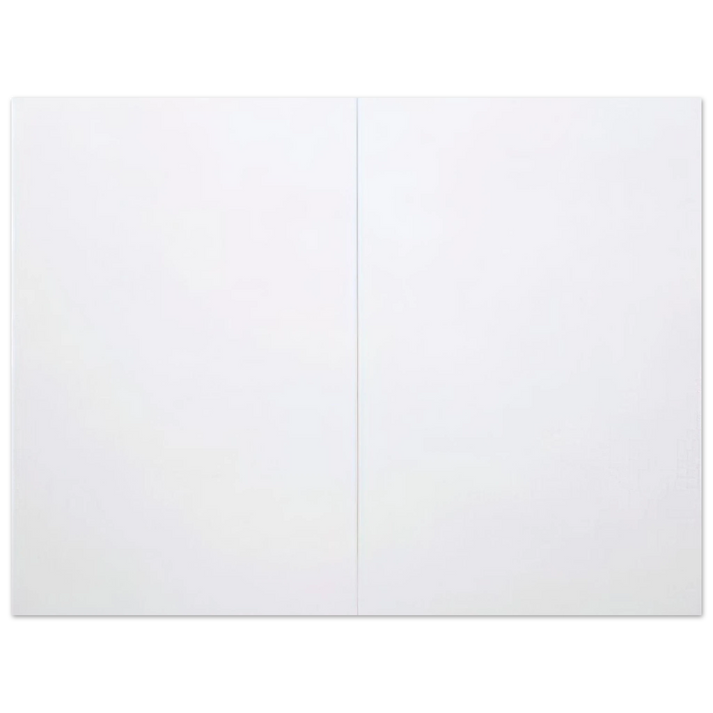
Robert Rauschenberg - WHITE PAINTING TWO PANEL 1951 75x100 cm / 30x40inches Fine Art Poster
Robert Rauschenberg - WHITE PAINTING TWO PANEL 1951 75x100 cm / 30x40inches Fine Art Poster
Couldn't load pickup availability
Robert Rauschenberg - WHITE PAINTING TWO PANEL 1951: A Minimalist Masterpiece
Immerse yourself in the groundbreaking vision of Robert Rauschenberg with this museum-quality fine art print of WHITE PAINTING TWO PANEL 1951. Measuring 75x100 cm (30x40 inches), this reproduction captures the radical simplicity of Rauschenberg's iconic work, which challenged traditional notions of painting and paved the way for Minimalism and Conceptual Art. Created during a pivotal moment in art history, this piece features two pristine white panels that invite contemplation, reflecting light and shadow to create a dynamic, ever-changing presence in any space.
At RedKalion, we specialize in archival-grade reproductions that honor the artist's original intent. This print is produced on our exclusive Master's Edition archival paper, ensuring a matte, uncoated finish with a natural white (off-white) hue that enhances the luxurious texture and depth of the artwork. The paper is acid-free (pH above 7) to prevent yellowing over time, guaranteeing longevity for generations. With a weight of 250 gsm (110 lb) and a thickness of 0.29 mm (11.4 mils), it offers a substantial, premium feel. Our commitment to sustainability is reflected in the use of FSC-certified paper, and we fulfill orders on demand with no minimums, providing a seamless experience for art enthusiasts.
Elevate your home or office with this archival masterpiece from RedKalion, where expertise in art history meets uncompromising quality in fine art prints.
Discover Unlimited Art Possibilities
At RedKalion, you can find virtually any artwork from any artist, available in a wide range of sizes to perfectly match your space.
If you didn’t find what you’re looking for, contact us at support@redkalion.com . We will source any artwork and produce it in any size and format you need, including art prints, posters, canvas, framed pieces, framed canvas, and more.
For dedicated art enthusiasts, we also offer handcrafted replicas of any artwork, carefully painted by highly skilled artists using traditional techniques.
For custom requests, contact us at support@redkalion.com .
What are the dimensions of this Robert Rauschenberg fine art print?
This museum-quality reproduction measures 75x100 cm (30x40 inches), perfectly capturing the scale of the original WHITE PAINTING TWO PANEL 1951 for an impactful display.
What type of paper is used for this archival print?
It's printed on Master's Edition archival paper, featuring a matte, uncoated finish with a natural white (off-white) color for a luxurious texture and long-lasting quality.
How durable is this print, and will it yellow over time?
The paper is acid-free (pH above 7) and weighs 250 gsm (110 lb) with a thickness of 0.29 mm (11.4 mils), ensuring it resists yellowing and maintains its integrity for decades.
Is this print environmentally friendly?
Yes, we use FSC-certified paper for sustainability, and it's printed on demand with no minimum orders to reduce waste.
How is this fine art poster shipped and delivered?
We print and ship on demand, offering reliable fulfillment with careful packaging to protect your museum-quality reproduction during transit.
What is the historical significance of WHITE PAINTING TWO PANEL 1951?
Created in 1951, this work by Robert Rauschenberg is a key piece in Minimalist art, using white panels to explore light, shadow, and the viewer's perception, influencing later movements like Conceptual Art.
Why did Rauschenberg use white panels in this artwork?
Rauschenberg aimed to strip painting down to its essence, allowing the white surfaces to reflect ambient light and create subtle, changing visual effects based on the environment.