RedKalion
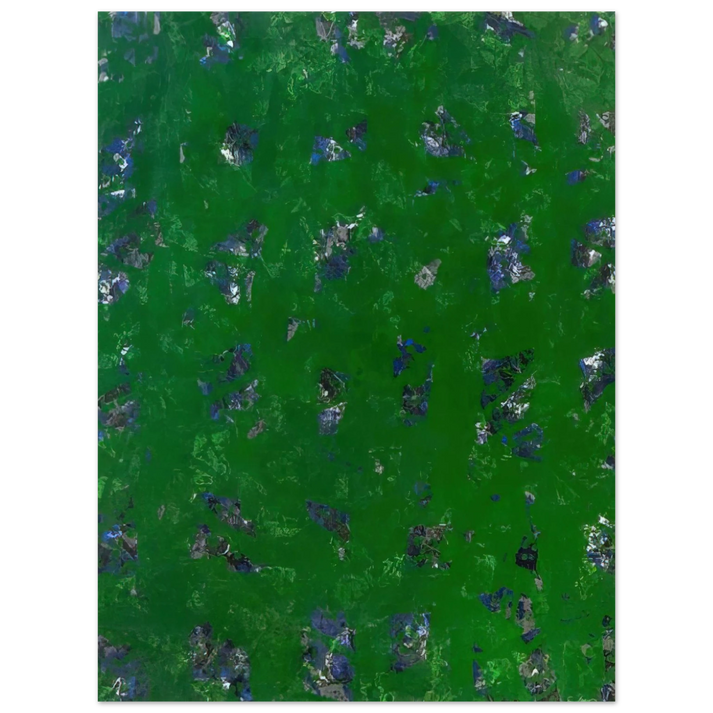
Sam Francis - Green Buddha L. L261; SF-337; G. 1157 75x100 cm / 30x40inches Fine Art Poster
Sam Francis - Green Buddha L. L261; SF-337; G. 1157 75x100 cm / 30x40inches Fine Art Poster
Couldn't load pickup availability
Sam Francis - Green Buddha (L. L261; SF-337; G. 1157)
Experience the vibrant energy of Abstract Expressionism with this museum-quality fine art print of Sam Francis' "Green Buddha". Created in the mid-20th century, this masterpiece showcases Francis' signature "drip and pour" technique, where luminous greens and blues cascade across the canvas, evoking a sense of spiritual serenity and dynamic movement. As a leading figure of the post-war art scene, Francis drew inspiration from Zen Buddhism and his own meditative practices, infusing this work with a profound sense of balance and introspection.
RedKalion presents this archival reproduction on our exclusive Master's Edition archival paper, ensuring every detail of the original's ethereal color fields is captured with precision. The matte, uncoated finish and natural white (off-white) surface provide a luxurious texture that enhances the artwork's depth, while the acid-free composition (pH above 7) guarantees it resists yellowing for generations. Printed on-demand on FSC-certified paper with a substantial weight of 250 gsm (110 lb) and thickness of 0.29 mm (11.4 mils), this piece arrives ready to elevate any space with its timeless elegance.
Available in a 75x100 cm / 30x40 inches format, this fine art poster invites you to bring a touch of museum-caliber artistry into your home or office. Trust RedKalion to deliver a reproduction that honors the legacy of Sam Francis, crafted for those who appreciate both historical significance and enduring quality.

Discover Unlimited Art Possibilities
At RedKalion, you can find virtually any artwork from any artist, available in a wide range of sizes to perfectly match your space.
If you didn’t find what you’re looking for, contact us at support@redkalion.com . We will source any artwork and produce it in any size and format you need, including art prints, posters, canvas, framed pieces, framed canvas, and more.
For dedicated art enthusiasts, we also offer handcrafted replicas of any artwork, carefully painted by highly skilled artists using traditional techniques.
For custom requests, contact us at support@redkalion.com .
What are the dimensions of this Sam Francis Green Buddha print?
This fine art print measures 75x100 cm (30x40 inches), making it an ideal size for prominent display in living rooms, offices, or galleries as a museum-quality reproduction.
What type of paper is used for this archival print?
It's printed on Master's Edition archival paper, which is acid-free (pH above 7), FSC-certified, and features a matte, uncoated finish with a natural white color for a luxurious texture.
How is this print shipped and are there minimum orders?
We print and ship on demand with no minimum orders, ensuring each Sam Francis reproduction is freshly crafted and delivered directly to you.
Will this print last over time without yellowing?
Yes, the acid-free paper (pH above 7) prevents yellowing, offering archival longevity for this Abstract Expressionist masterpiece.
What is the weight and thickness of the paper?
The paper has a weight of 250 gsm (110 lb) and a thickness of 0.29 mm (11.4 mils), providing a durable and premium feel for this fine art poster.
What inspired Sam Francis' Green Buddha painting?
Sam Francis drew inspiration from Zen Buddhism and his meditative practices, using his "drip and pour" technique to create vibrant, spiritual color fields in this Abstract Expressionist work.
What does the catalog number L. L261; SF-337; G. 1157 indicate?
These refer to standard catalog numbers (L. for Lembark, SF for Sam Francis, G. for Goya) used by art historians to identify and authenticate this specific Green Buddha artwork.