RedKalion
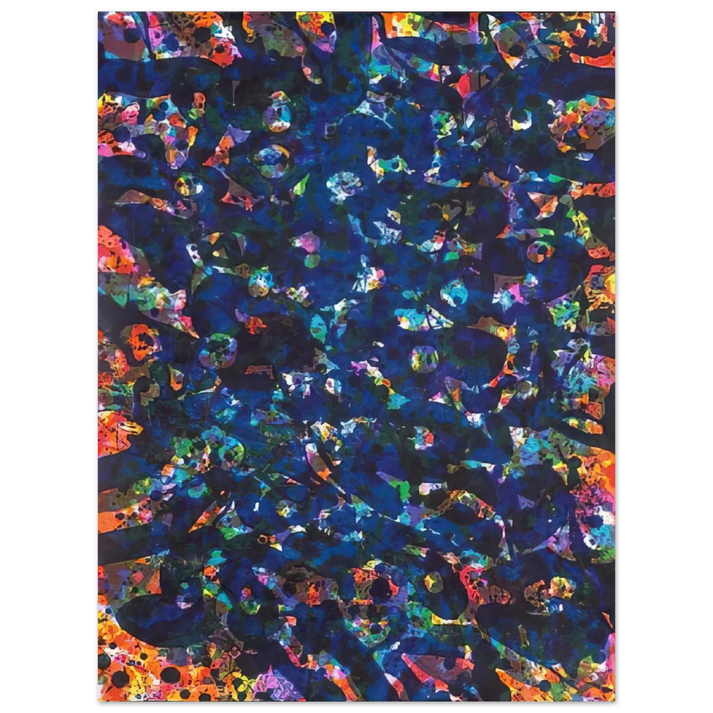
Sam Francis - Her Blue Deeps 75x100 cm / 30x40inches Fine Art Poster
Sam Francis - Her Blue Deeps 75x100 cm / 30x40inches Fine Art Poster
Couldn't load pickup availability
Sam Francis - Her Blue Deeps: A Museum-Quality Fine Art Print
Immerse yourself in the profound depths of Sam Francis's Her Blue Deeps, a mesmerizing abstract expressionist masterpiece now available as a premium fine art print from RedKalion. This 75x100 cm (30x40 inches) reproduction captures the ethereal interplay of cobalt, cerulean, and ultramarine hues that define Francis's signature style, evoking a sense of cosmic tranquility and emotional resonance. As a leading figure in post-war American art, Francis pioneered the "drip and pour" technique, allowing pigments to flow organically across the canvas—a method that imbues Her Blue Deeps with a dynamic, almost liquid quality that seems to shift with the light.
At RedKalion, we specialize in archival-grade reproductions that honor the artist's original vision. Each print is meticulously crafted on our Master's Edition archival paper, featuring a matte, uncoated finish in a natural white shade that enhances color fidelity and provides a luxurious, tactile texture. With an acid-free composition (pH above 7) and FSC-certified sustainability, this 250 gsm (110 lb), 0.29 mm (11.4 mils) thick paper ensures your investment resists yellowing and endures for generations. Printed and shipped on demand with no minimum orders, this piece offers an effortless way to elevate any space with a timeless work of art.
Discover the allure of abstract expressionism through this museum-quality reproduction, where every detail—from the paper's weight to its eco-conscious sourcing—reflects our commitment to excellence. Trust RedKalion to bring the legacy of Sam Francis into your home or office, creating a focal point that inspires contemplation and admiration.

Discover Unlimited Art Possibilities
At RedKalion, you can find virtually any artwork from any artist, available in a wide range of sizes to perfectly match your space.
If you didn’t find what you’re looking for, contact us at support@redkalion.com . We will source any artwork and produce it in any size and format you need, including art prints, posters, canvas, framed pieces, framed canvas, and more.
For dedicated art enthusiasts, we also offer handcrafted replicas of any artwork, carefully painted by highly skilled artists using traditional techniques.
For custom requests, contact us at support@redkalion.com .
What are the dimensions of this Sam Francis fine art print?
This museum-quality reproduction measures 75x100 cm (30x40 inches), perfect for creating a striking visual impact in any room with its abstract expressionist design.
What type of paper is used for this archival print?
It's printed on Master's Edition archival paper, featuring a matte, uncoated finish and natural white color for superior color accuracy and a luxurious texture in your fine art poster.
With an acid-free pH above 7, this print resists yellowing over time, ensuring long-lasting vibrancy for your Sam Francis artwork as part of our archival collection.
What is the weight and thickness of the paper?
The paper is 250 gsm (110 lb) and 0.29 mm (11.4 mils) thick, providing a sturdy, premium feel ideal for framing and displaying your abstract expressionist poster.
Is this print eco-friendly and how is it shipped?
Yes, it uses FSC-certified paper for sustainability, and we offer on-demand printing and shipping with no minimum orders for convenient delivery of your museum-quality reproduction.
What artistic technique did Sam Francis use in Her Blue Deeps?
Sam Francis employed a "drip and pour" method, allowing pigments to flow freely for an organic, dynamic effect that captures the emotional depth of abstract expressionism in this piece.
Why is Her Blue Deeps significant in art history?
As a key work from Francis's blue period, it exemplifies his exploration of color and space, contributing to post-war American art's evolution toward lyrical abstraction and emotional resonance.