RedKalion
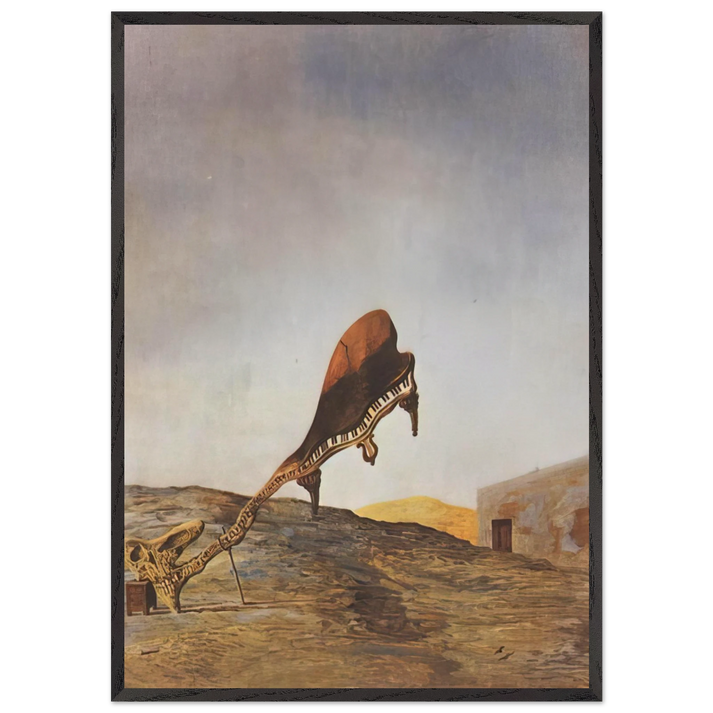
SKULL WITH ITS LYRIC APPENDAGE LEANING ON A BEDSIDE TABLE WHICH SHOULD HAVE THE EXACT 1934 - Salvador Dali 70x100 cm / 28x40 inches Framed Art Print – Black Wooden Frame
SKULL WITH ITS LYRIC APPENDAGE LEANING ON A BEDSIDE TABLE WHICH SHOULD HAVE THE EXACT 1934 - Salvador Dali 70x100 cm / 28x40 inches Framed Art Print – Black Wooden Frame
Couldn't load pickup availability
Salvador Dalí's Surrealist Masterpiece: Skull with Its Lyric Appendage Leaning on a Bedside Table Which Should Have the Exact 1934
Immerse yourself in the dreamlike world of Salvador Dalí with this museum-quality framed art print of "Skull with Its Lyric Appendage Leaning on a Bedside Table Which Should Have the Exact 1934". Created in 1934, this iconic surrealist painting showcases Dalí's unparalleled ability to blend the bizarre with the poetic, featuring a haunting skull juxtaposed against a lyrical, flowing form—a hallmark of his paranoiac-critical method that challenges perception and reality.
This fine art reproduction captures every intricate detail of Dalí's original work, from the meticulous brushstrokes to the surreal symbolism, making it a captivating centerpiece for any art enthusiast's collection. The piece evokes a mood of intellectual curiosity and eerie beauty, perfect for elevating modern interiors, studies, or galleries.
RedKalion presents this archival-grade print on premium 250 gsm (110 lb) matte, uncoated, natural white paper, ensuring vibrant colors and sharp definition that rival the original. Encased in a responsibly sourced black wooden frame made from oak and ash wood, with a substantial 20mm (0.79") thickness for a bold, contemporary look, this framed art print includes a hanging kit for immediate display. The shatterproof plexiglass provides durable protection, while the FSC-certified sustainable paper underscores our commitment to quality and environmental responsibility.
Elevate your space with a timeless masterpiece that combines historical significance with enduring craftsmanship, exclusively curated by RedKalion.

Discover Unlimited Art Possibilities
At RedKalion, you can find virtually any artwork from any artist, available in a wide range of sizes to perfectly match your space.
If you didn’t find what you’re looking for, contact us at support@redkalion.com . We will source any artwork and produce it in any size and format you need, including art prints, posters, canvas, framed pieces, framed canvas, and more.
For dedicated art enthusiasts, we also offer handcrafted replicas of any artwork, carefully painted by highly skilled artists using traditional techniques.
For custom requests, contact us at support@redkalion.com .
What are the dimensions of this Salvador Dalí framed art print?
This museum-quality reproduction measures 70x100 cm (28x40 inches) including the frame, with the print itself on premium 250 gsm archival paper for a durable fine art display.
What materials are used in the frame and protection?
The frame is made from responsibly sourced oak and ash wood, 20mm thick, and features shatterproof plexiglass to safeguard your Dalí print against damage.
Is this print ready to hang, and what is included?
Yes, this framed art print comes with a hanging kit, making it ready-to-hang directly on your wall for immediate enjoyment of this surrealist masterpiece.
How does the paper quality ensure longevity?
We use 250 gsm (110 lb) matte, uncoated, natural white archival museum-quality paper, FSC-certified for sustainability, to preserve colors and details for years.
What is the historical significance of this artwork?
Created in 1934, this painting exemplifies Salvador Dalí's surrealist style, using his paranoiac-critical method to explore themes of mortality and dream logic with a skull and lyrical forms.
How does the frame thickness compare to standard frames?
At 20mm (0.79"), this black wooden frame is wider than the classic 14mm (0.55") frame, offering a bold, modern aesthetic that enhances Dalí's intricate details.
Can you describe the symbolism in this Dalí piece?
The skull represents mortality, while the "lyric appendage" symbolizes poetic or dreamlike elements, reflecting Dalí's fascination with the subconscious and surreal juxtapositions in 1930s art.