
RedKalion
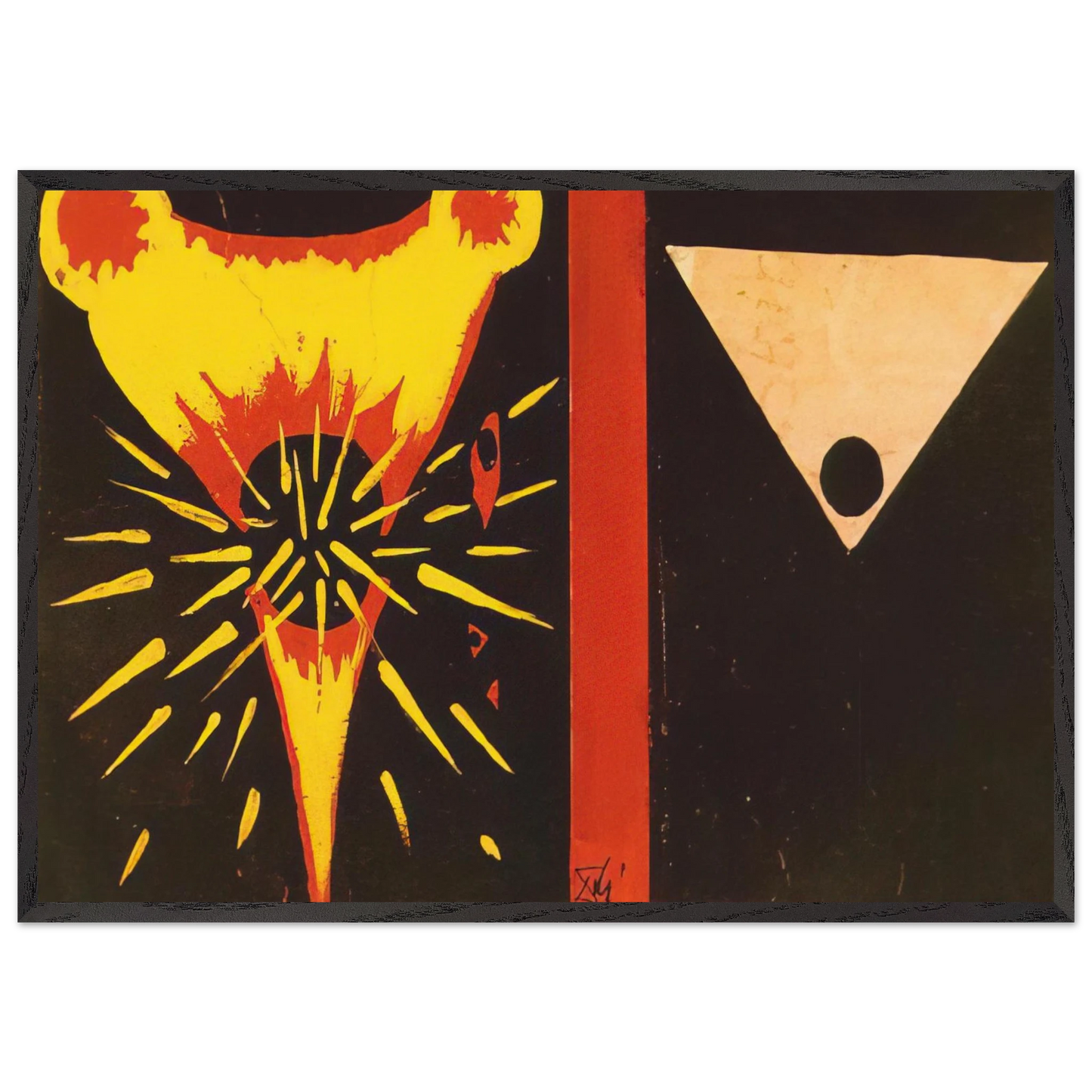
STUDY FOR CHRIST OF ST JOHN OF THE CROSS 1951 - Salvador Dali 70x100 cm / 28x40 inches Framed Art Print – Black Wooden Frame
STUDY FOR CHRIST OF ST JOHN OF THE CROSS 1951 - Salvador Dali 70x100 cm / 28x40 inches Framed Art Print – Black Wooden Frame
Couldn't load pickup availability
Salvador Dalí's STUDY FOR CHRIST OF ST JOHN OF THE CROSS (1951): A Surrealist Masterpiece
This framed art print presents Salvador Dalí's iconic STUDY FOR CHRIST OF ST JOHN OF THE CROSS from 1951, a profound exploration of divine geometry and spiritual ascension. Measuring 70x100 cm (28x40 inches), this museum-quality reproduction captures the ethereal tension of Dalí's preparatory work for his larger masterpiece, where a crucified Christ floats above a darkened landscape, rendered with meticulous draftsmanship that bridges surrealism and sacred art.
Dalí's technique in this study reveals his fascination with perspective and mysticism, drawing inspiration from a drawing by St. John of the Cross to create a composition that feels both weightless and monumental. The artwork evokes a mood of transcendent contemplation, making it a powerful statement piece for modern interiors seeking depth and historical resonance.
Premium Framed Print Specifications
Elevate your space with an archival masterpiece that endures. This fine art print is expertly framed in a black wooden frame crafted from responsibly sourced oak and ash wood, with a substantial 20mm (0.79") thickness for a bold, gallery-worthy presence. The print is safeguarded by shatterproof plexiglass, ensuring lasting protection.
- Paper Quality: Printed on 250 gsm (110 lb) matte, uncoated, natural white archival paper (0.29 mm / 11.4 mils thick), using FSC-certified sustainable materials for exceptional color fidelity and longevity.
- Ready-to-Hang: Includes a hanging kit for immediate display, allowing you to transform any wall with this surrealist icon.
- Trusted Reproduction: RedKalion curates only the highest-grade reproductions, ensuring every detail from Dalí's intricate lines to the dramatic shadows is preserved with precision.
Own a piece of art history with this Salvador Dalí framed print, a testament to RedKalion's commitment to authority in archival-grade art.
Discover Unlimited Art Possibilities
At RedKalion, you can find virtually any artwork from any artist, available in a wide range of sizes to perfectly match your space.
If you didn’t find what you’re looking for, contact us at support@redkalion.com . We will source any artwork and produce it in any size and format you need, including art prints, posters, canvas, framed pieces, framed canvas, and more.
For dedicated art enthusiasts, we also offer handcrafted replicas of any artwork, carefully painted by highly skilled artists using traditional techniques.
For custom requests, contact us at support@redkalion.com .
What are the dimensions of this Salvador Dalí framed art print?
The print measures 70x100 cm (28x40 inches) and is framed in a black wooden frame with a 20mm (0.79") thickness, ready to hang directly on your wall.
What type of paper is used for this museum-quality reproduction?
We use 250 gsm (110 lb) matte, uncoated, natural white archival paper, 0.29 mm (11.4 mils) thick, made from FSC-certified sustainable materials for premium fine art prints.
How is the print protected in the frame?
The artwork is safeguarded by shatterproof plexiglass, ensuring durability and clarity while preserving the Salvador Dalí study's details in this framed art print.
Is this ready-to-hang, and what is included?
Yes, this framed print includes a hanging kit and is ready to hang directly on your wall, offering a convenient way to display this Dalí masterpiece.
How long will this archival print last?
With archival-grade paper and sustainable materials, this museum-quality reproduction is designed to resist fading and maintain its vibrant colors for decades.
What is the historical significance of Dalí's STUDY FOR CHRIST OF ST JOHN OF THE CROSS?
Created in 1951, this study reflects Dalí's blend of surrealism and religious iconography, based on a drawing by St. John of the Cross, showcasing his mastery of perspective and spiritual themes in fine art.
Why did Dalí choose this unique perspective for the Christ figure?
Dalí adopted an overhead view to emphasize divine geometry and ascension, drawing from mystical traditions to create a weightless, contemplative composition in this iconic artwork.